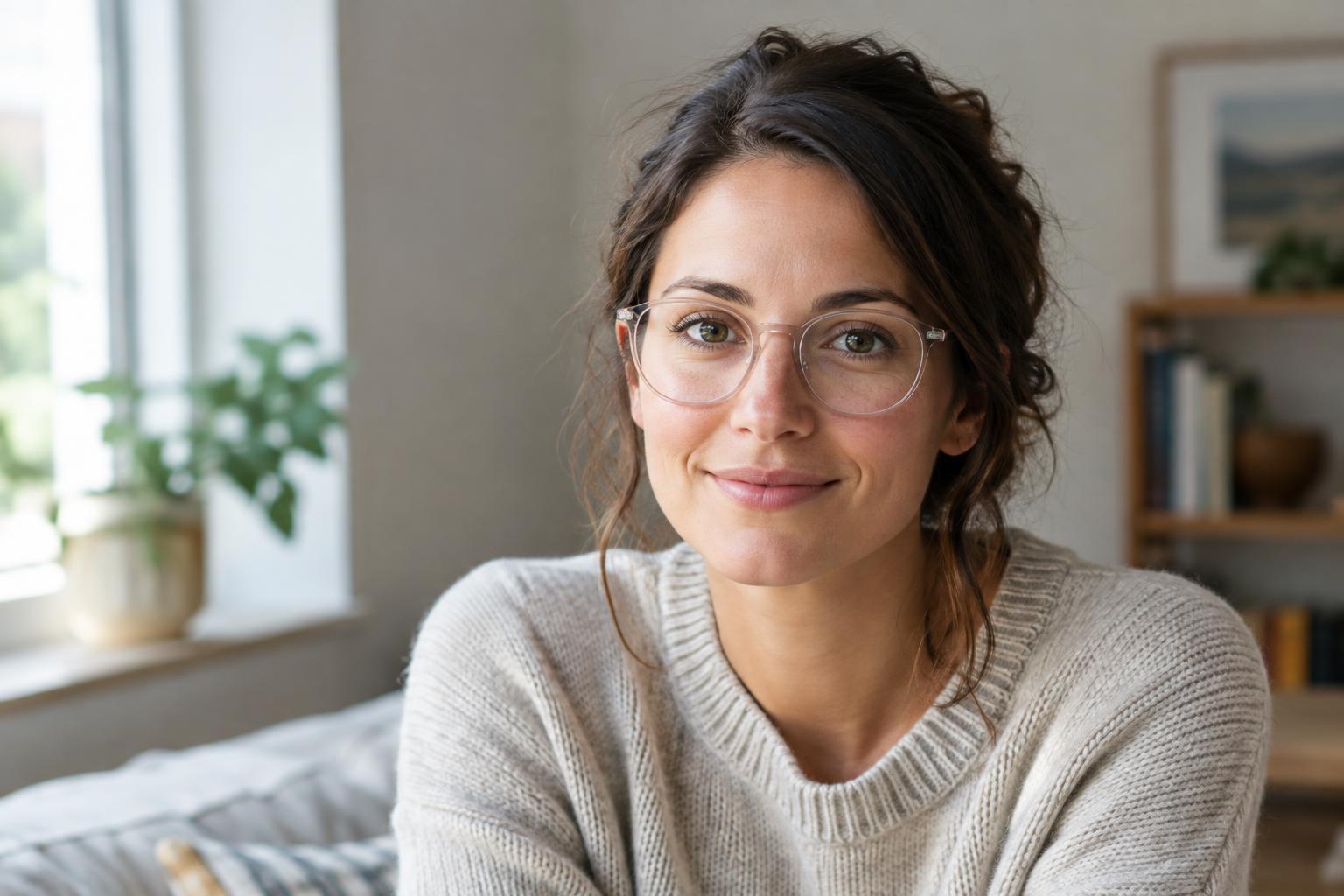
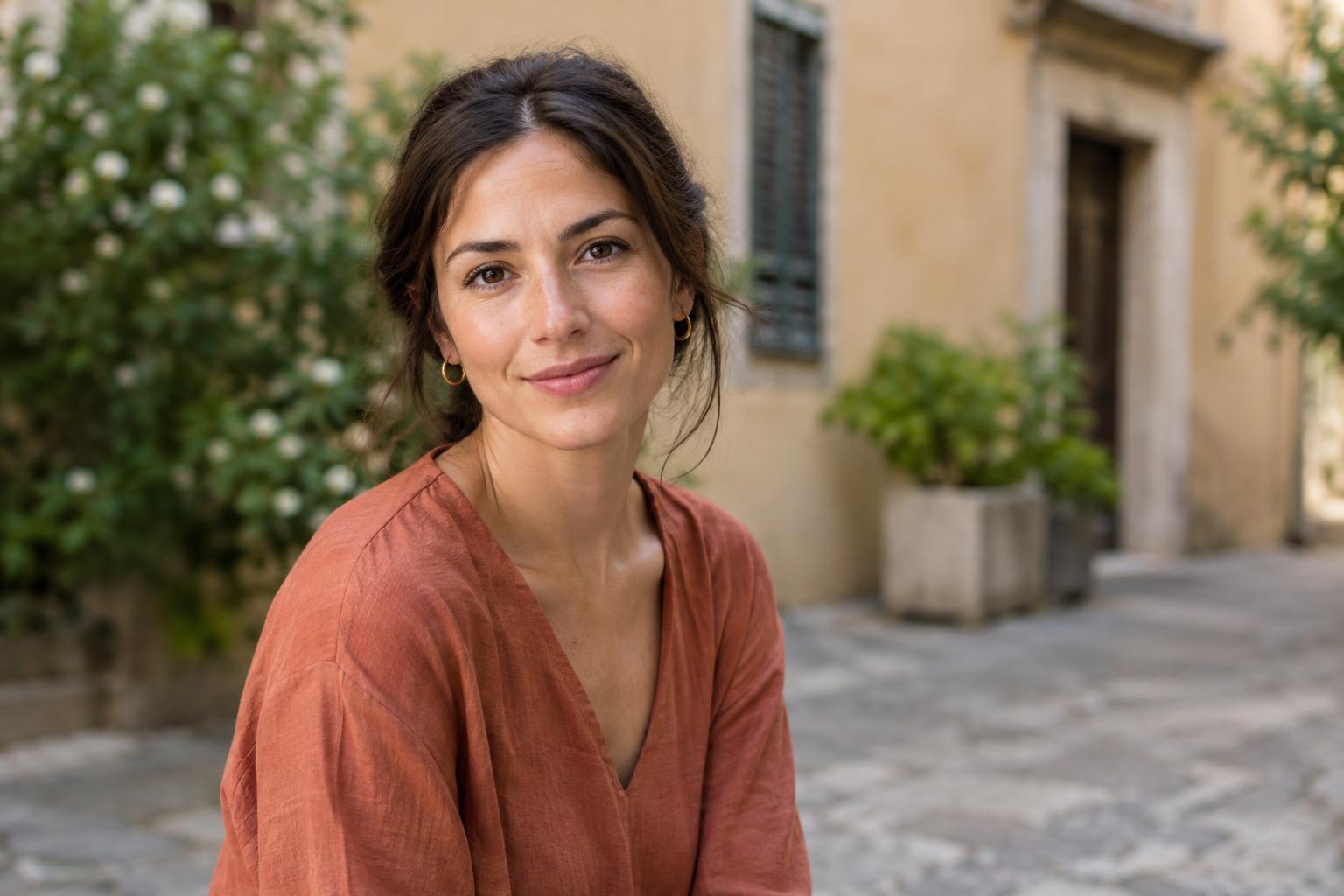
Portrait PhotographyA good portrait background does more than look tidy. Learn how to check edges, contrast, distance, and color before you shoot, then practice making stronger portraits in an ordinary location.
Read article · 4 min↗
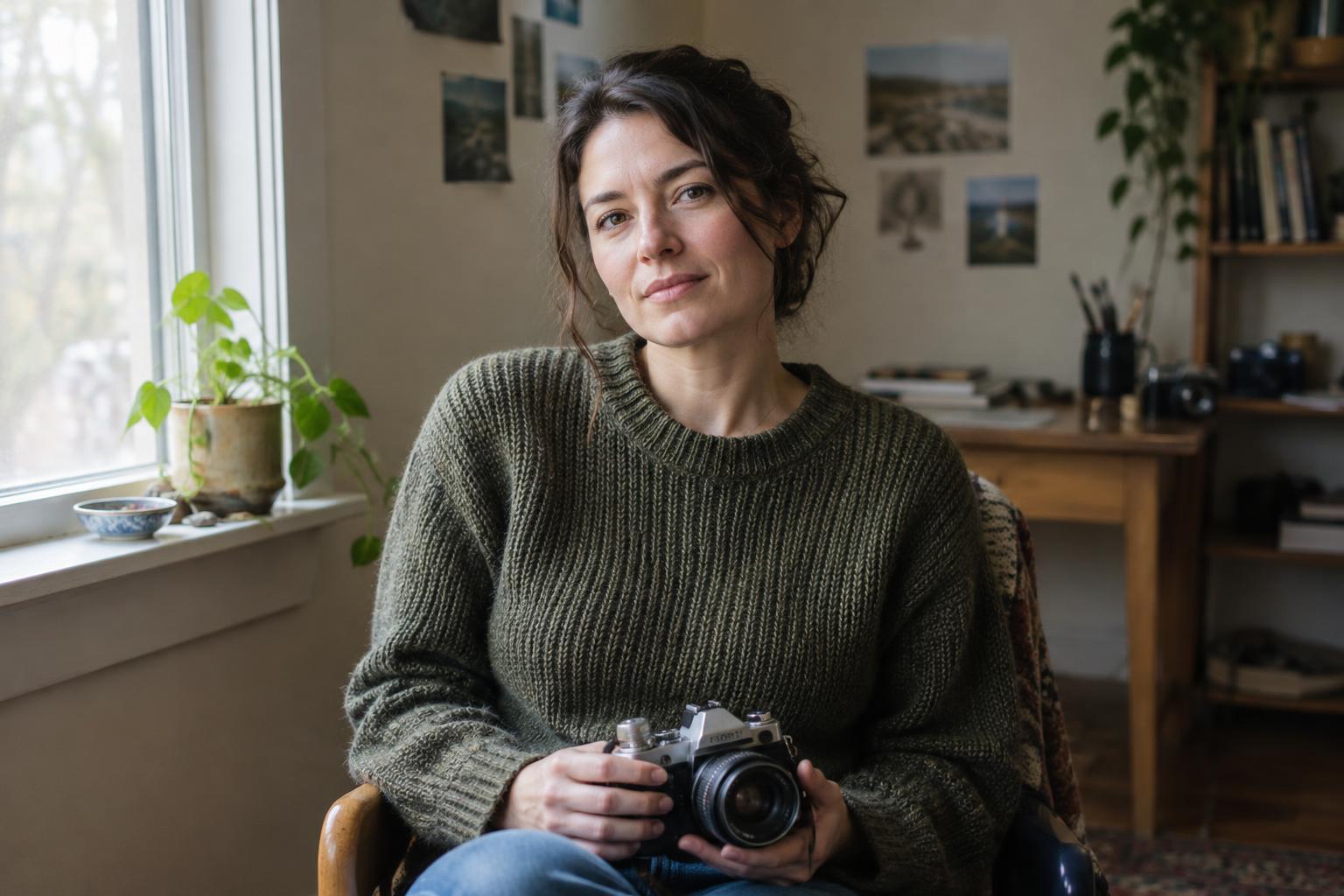
Portrait PhotographyA personal prop can give a portrait context without taking attention away from the person. Learn how to choose meaningful objects, place them in the frame, direct natural interactions, and build a simple portrait exercise around one item.
Read article · 4 min↗
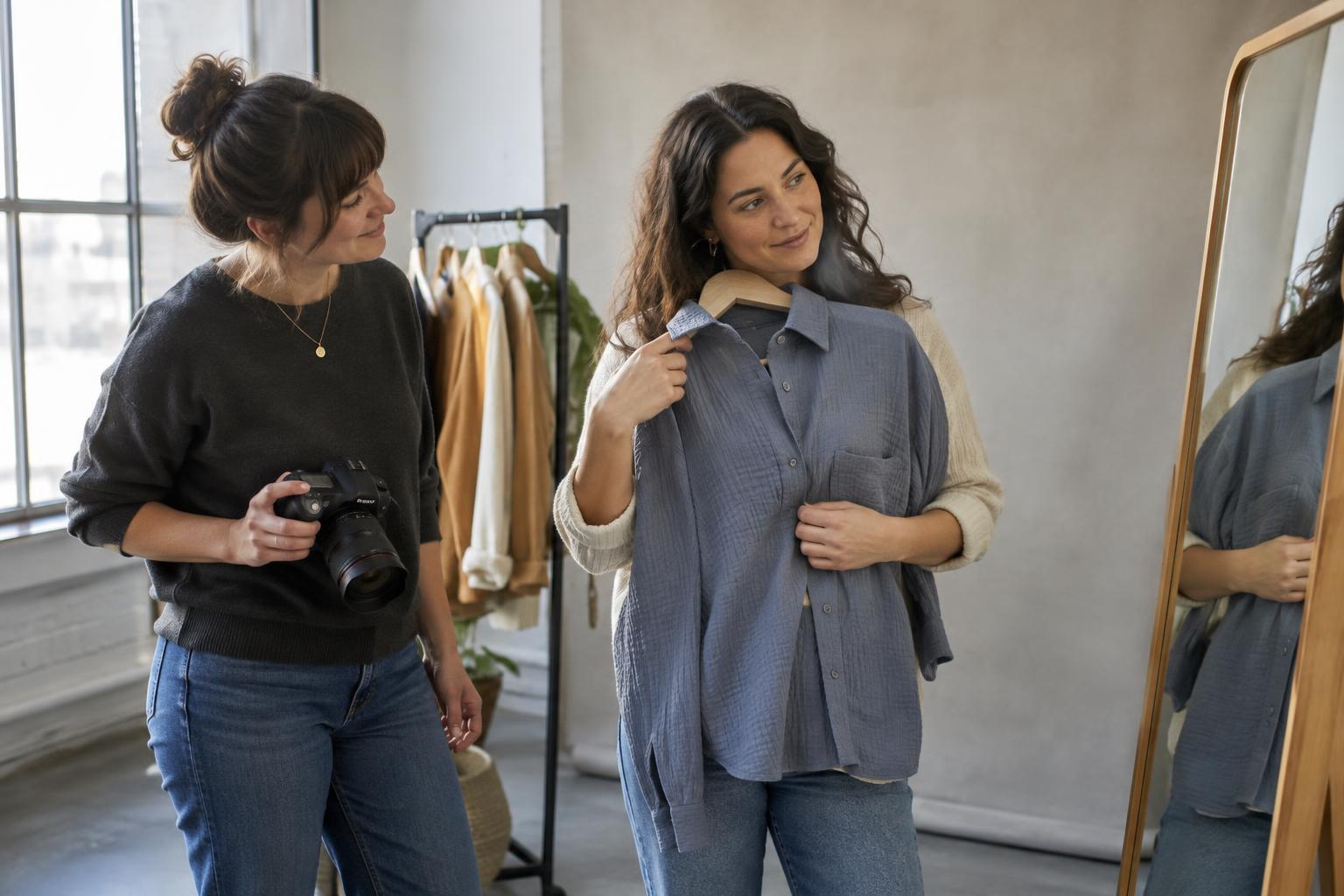
Portrait PhotographyA useful wardrobe conversation is about more than colors that look good on camera. Help portrait subjects choose clothes that fit the setting, work with the light, allow comfortable movement, and still feel like themselves.
Read article · 4 min↗
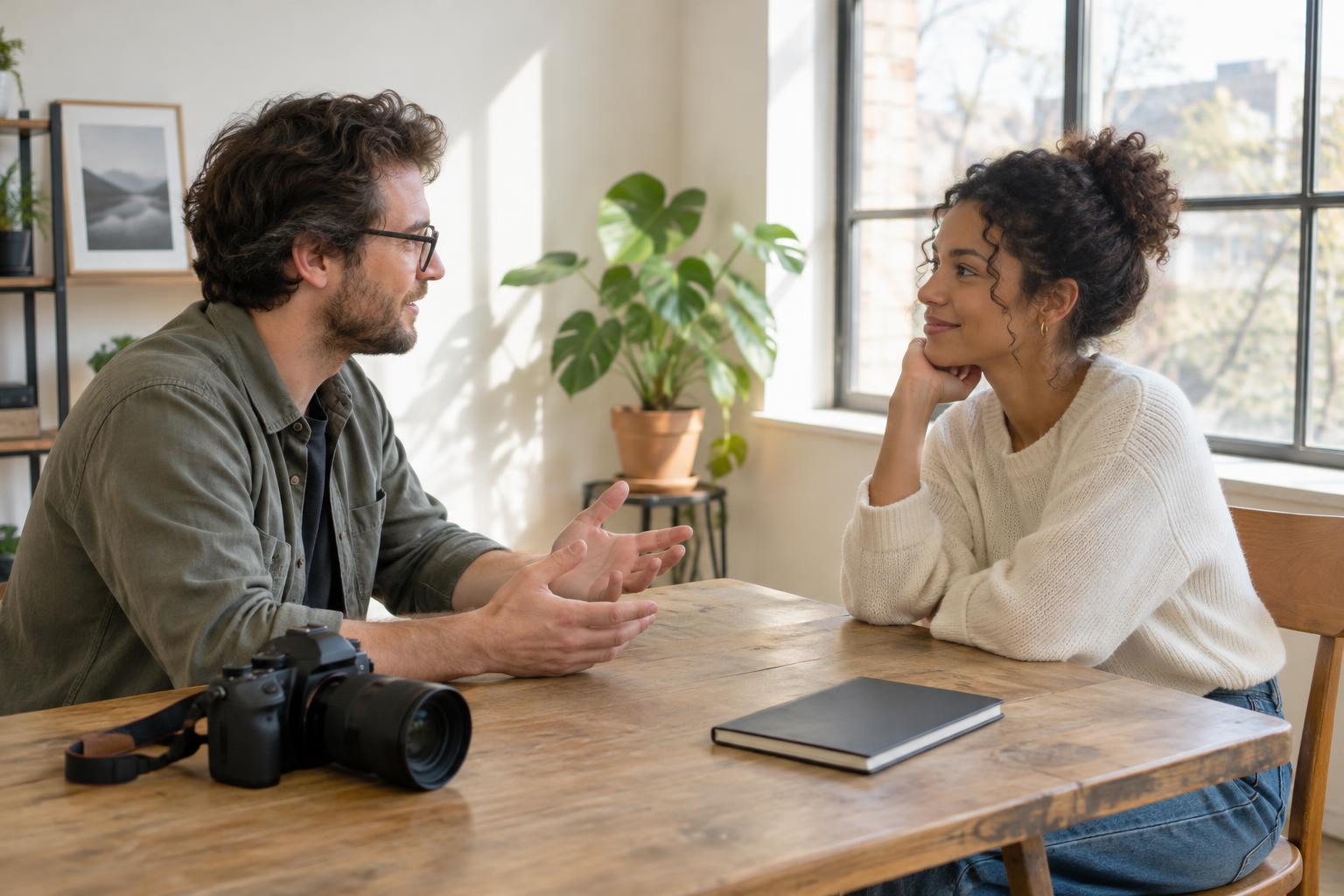
Portrait PhotographyA comfortable portrait session starts before the camera comes out. Learn how to ask for permission, discuss where images may appear, and give your subject a clear way to raise concerns.
Read article · 4 min↗
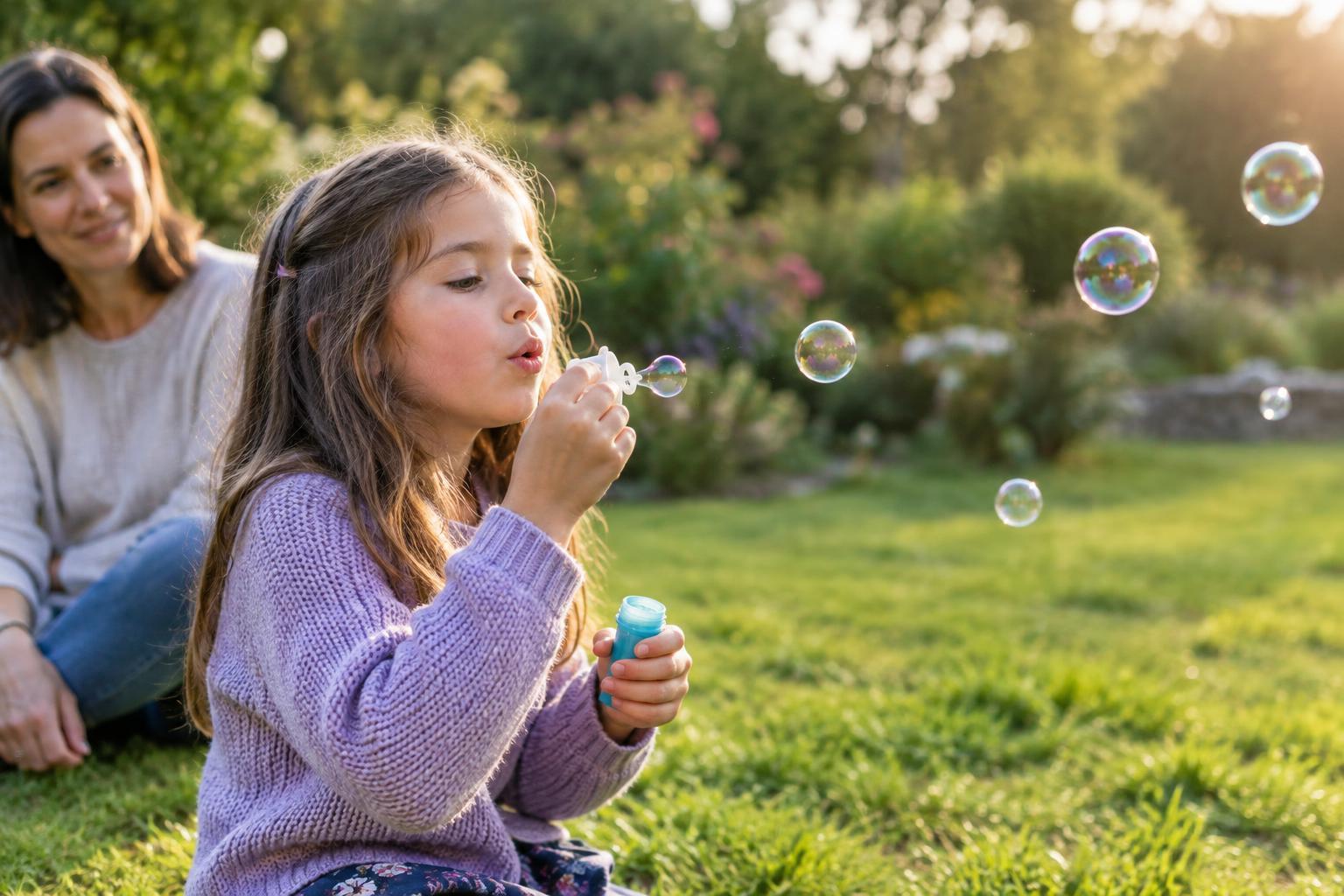
Portrait PhotographyPlay gives children something to do besides look at the camera. Learn how to choose an activity, find useful light, follow movement and make portraits that feel natural without losing sight of comfort and safety.
Read article · 4 min↗
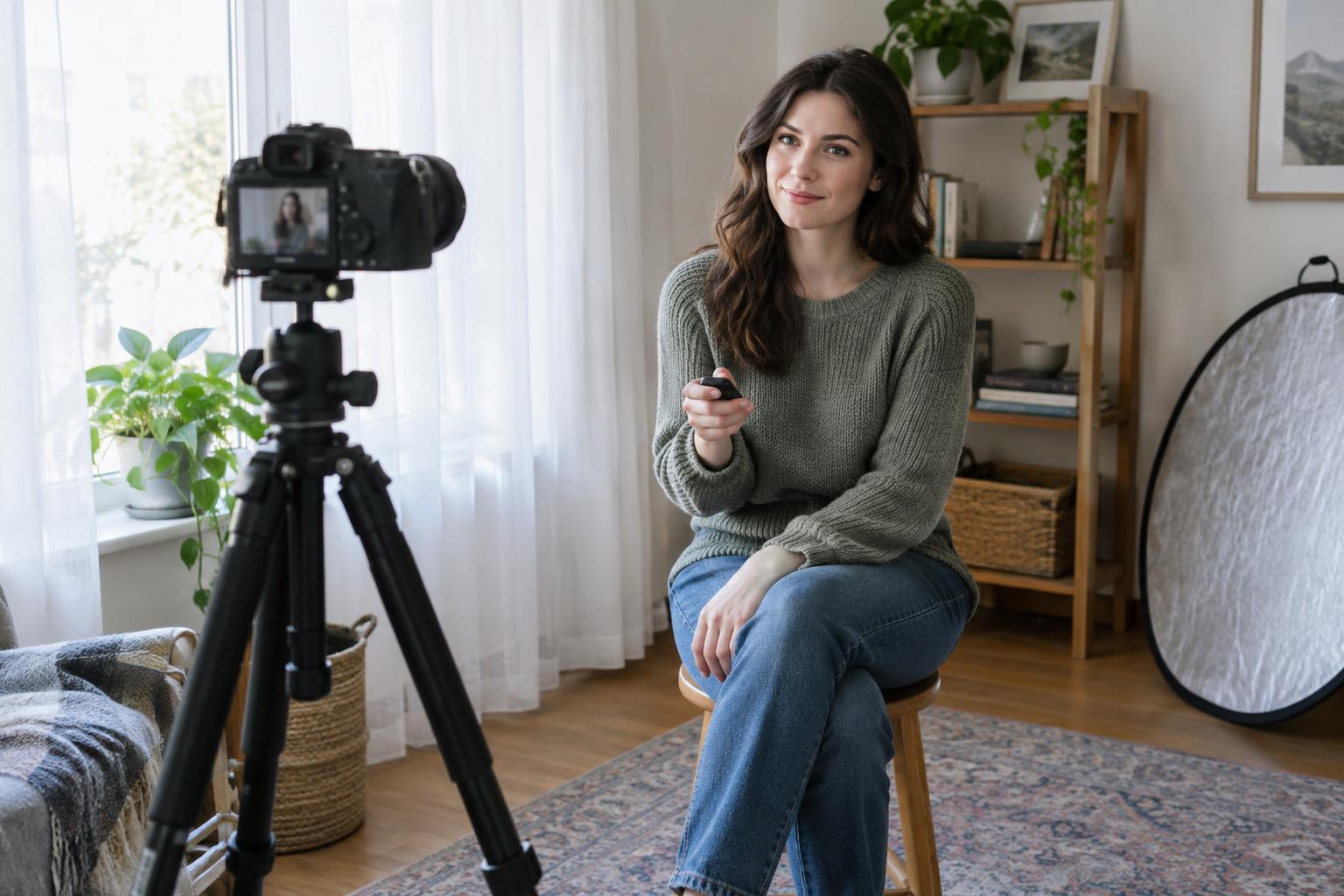
Portrait PhotographySelf-portraits give you time to experiment with light, framing, and expression. Learn how to set up a stable camera, choose between a timer and a remote, keep yourself in focus, and run a simple practice session.
Read article · 4 min↗
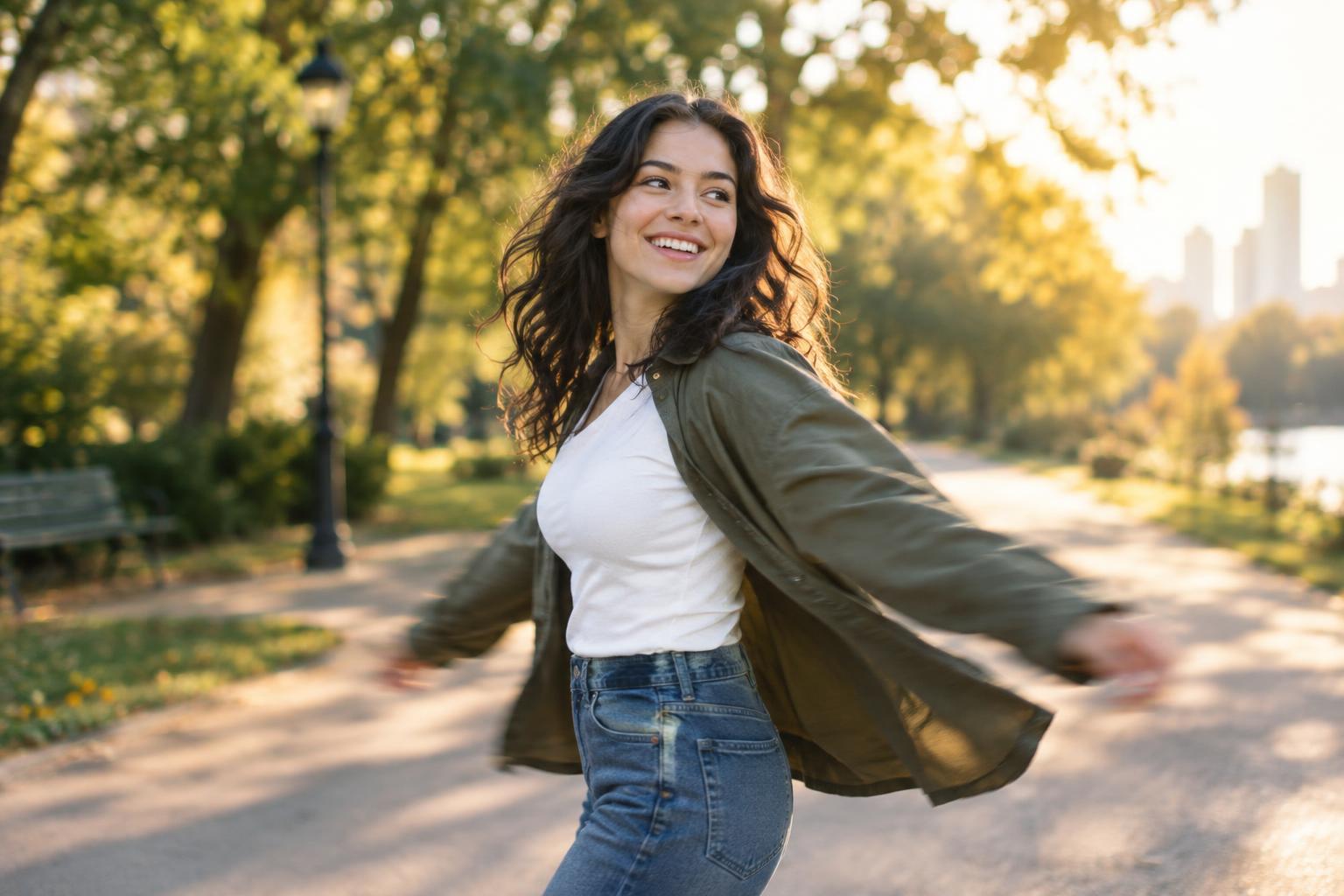
Portrait PhotographyA portrait does not have to be perfectly still. Learn how to choose a shutter speed for walking, dancing, and playful movement, whether you want to freeze a gesture or let a little motion show.
Read article · 4 min↗
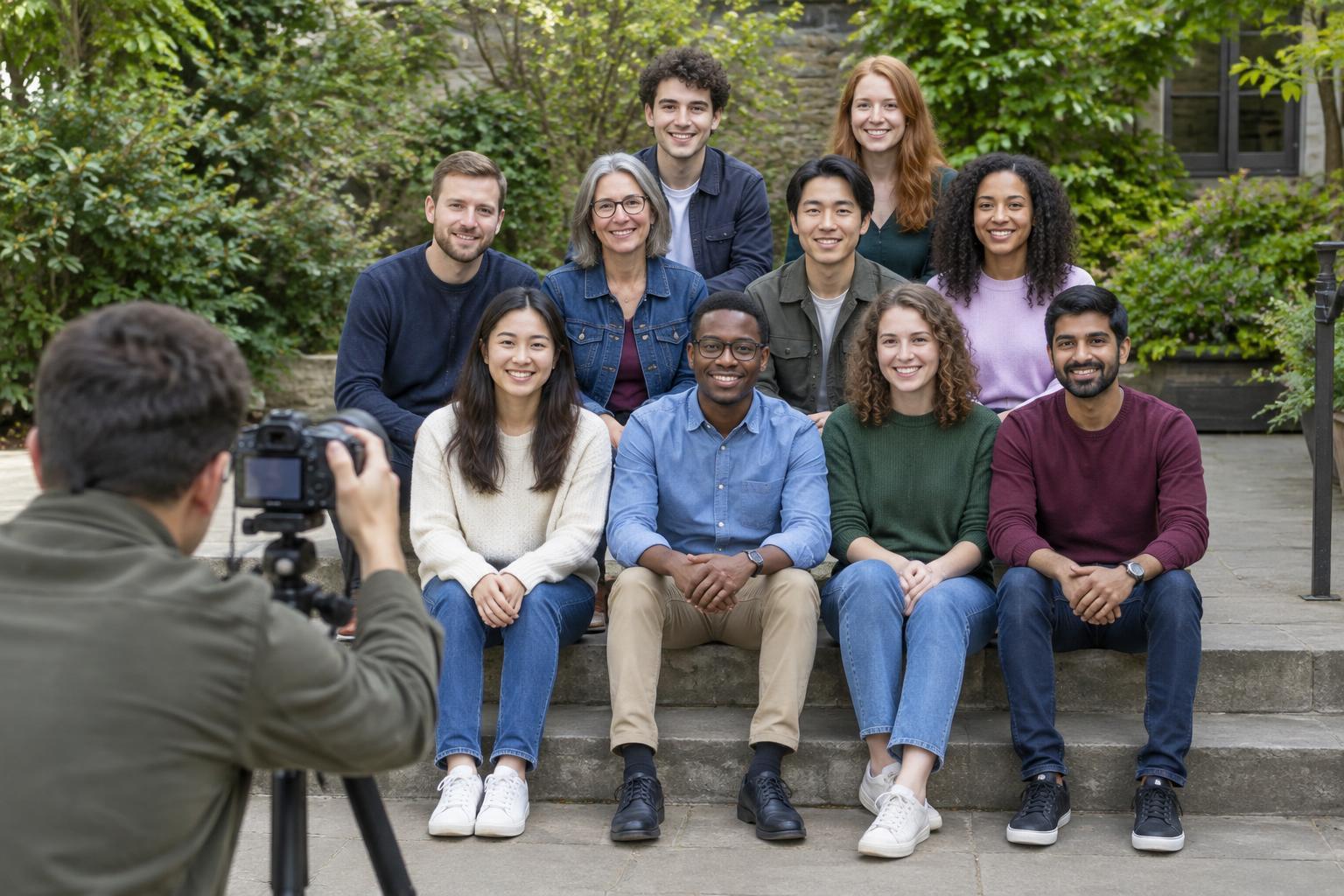
Portrait PhotographyA sharp group portrait takes more than a small aperture. Arrange faces in a manageable depth, choose a camera position that keeps everyone visible, focus between the nearest and farthest rows, and check a test frame before the group disperses.
Read article · 4 min↗
Portrait PhotographyA wide aperture can soften a busy background, but it is not the right choice for every portrait. Learn how framing, subject distance, light and focus affect your decision, then try a simple exercise to find the look you prefer.
Read article · 4 min↗
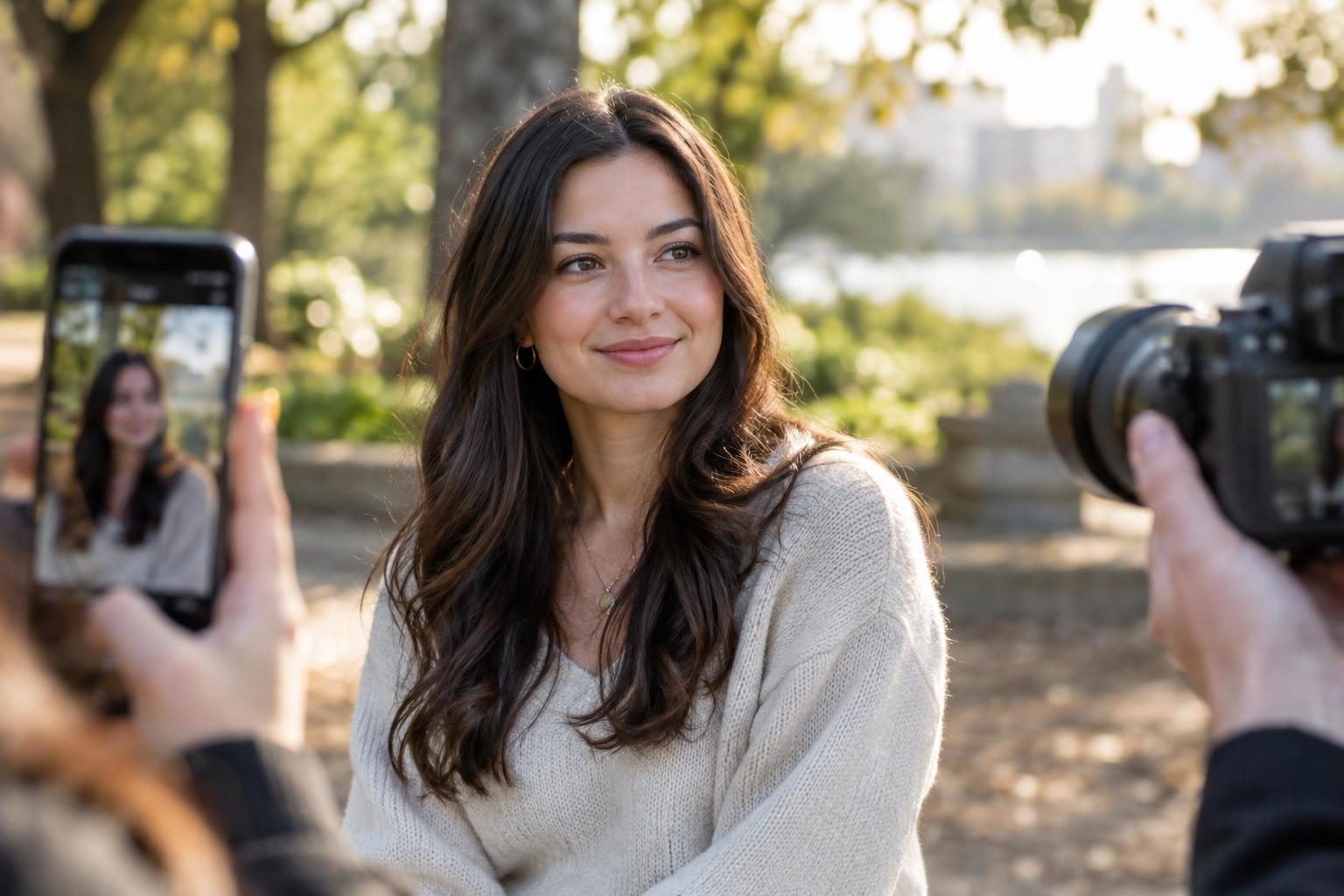
Portrait PhotographyA blurred background can help a portrait feel focused, but phones and cameras often create that effect in different ways. Learn how optical depth of field and computational portrait mode work, what each can get wrong, and how to make a stronger portrait with either tool.
Read article · 4 min↗
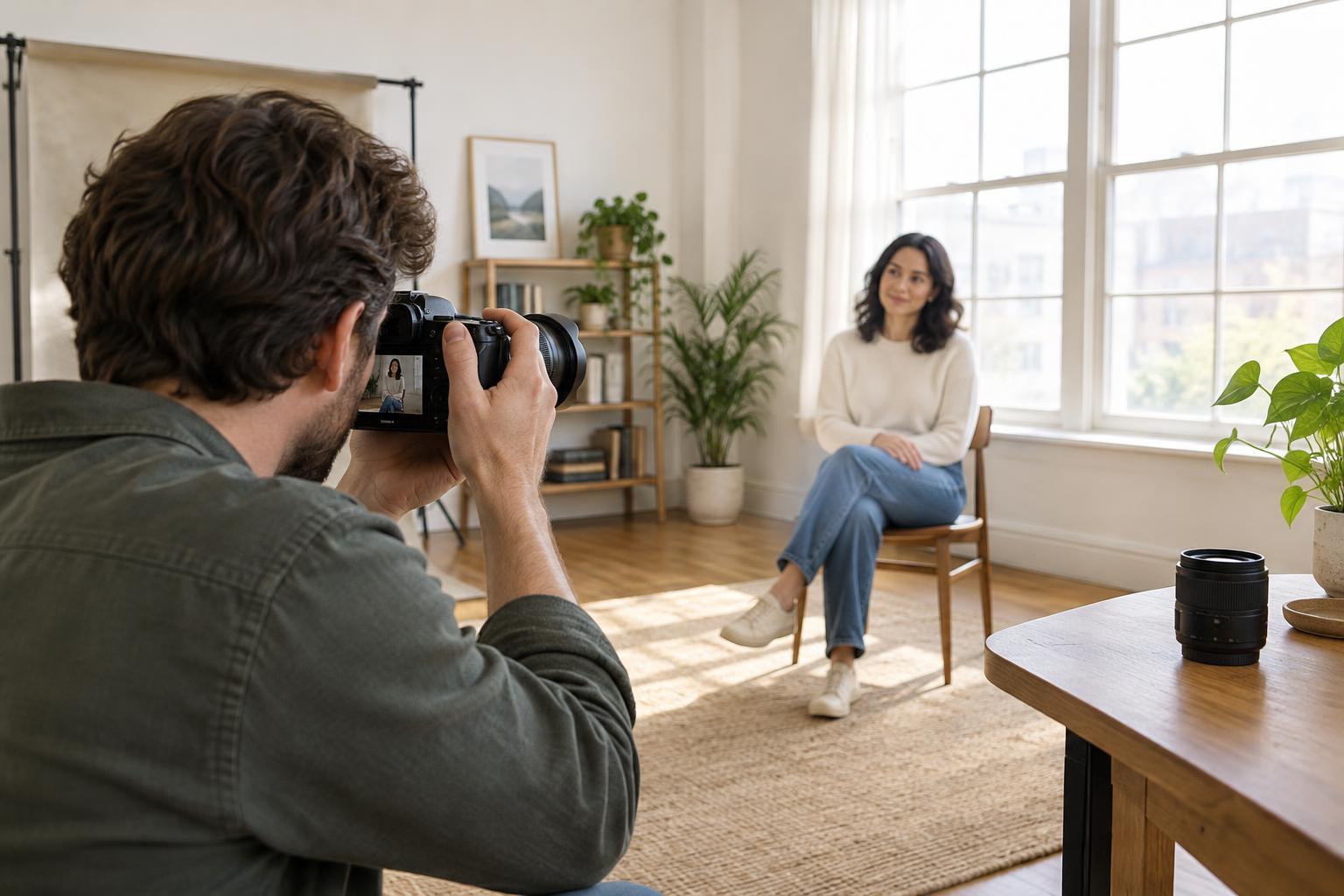
Portrait PhotographyA portrait lens affects framing, but camera distance determines how near and far features relate to one another. Learn how to choose a focal length for your space, your subject and the portrait you want to make.
Read article · 4 min↗
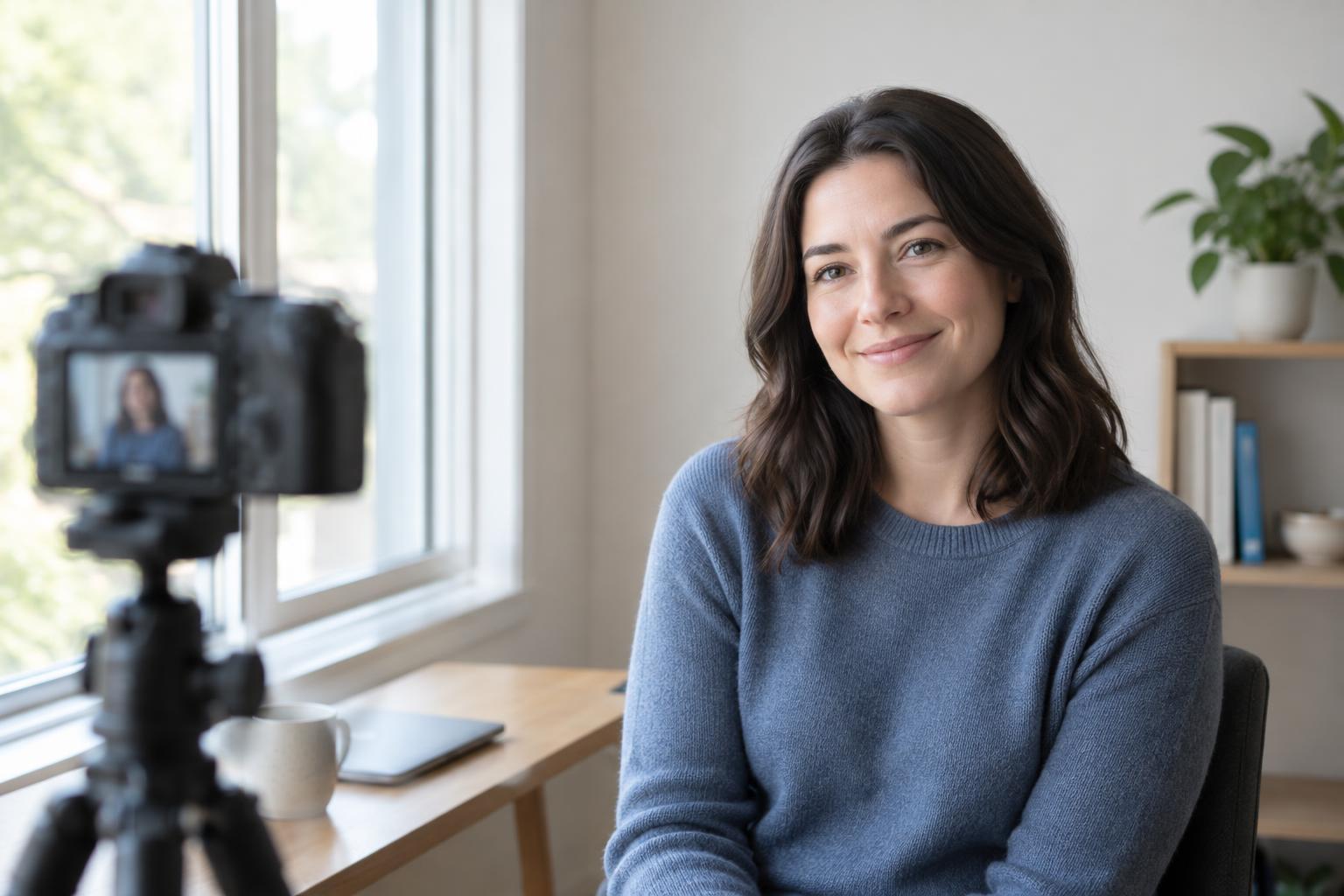
Portrait PhotographyA strong profile headshot does not require a studio. Learn how to choose a background, use window light, frame and direct your portrait, and make restrained edits that keep the result looking like you.
Read article · 4 min↗
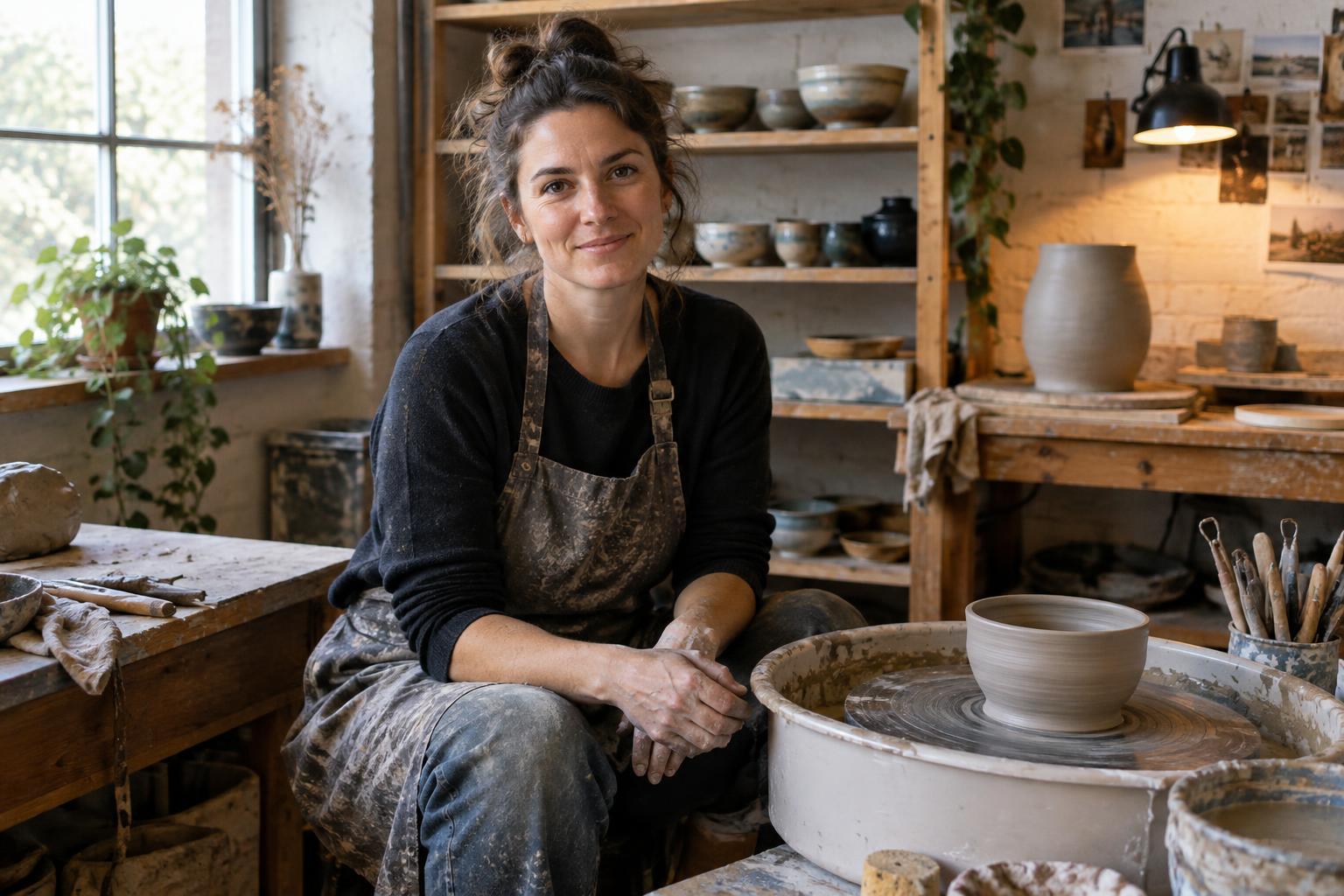
Portrait PhotographyAn environmental portrait uses a setting to tell us something about a person. Learn how to choose meaningful details, compose around your subject, work with available light, and keep the portrait collaborative.
Read article · 4 min↗
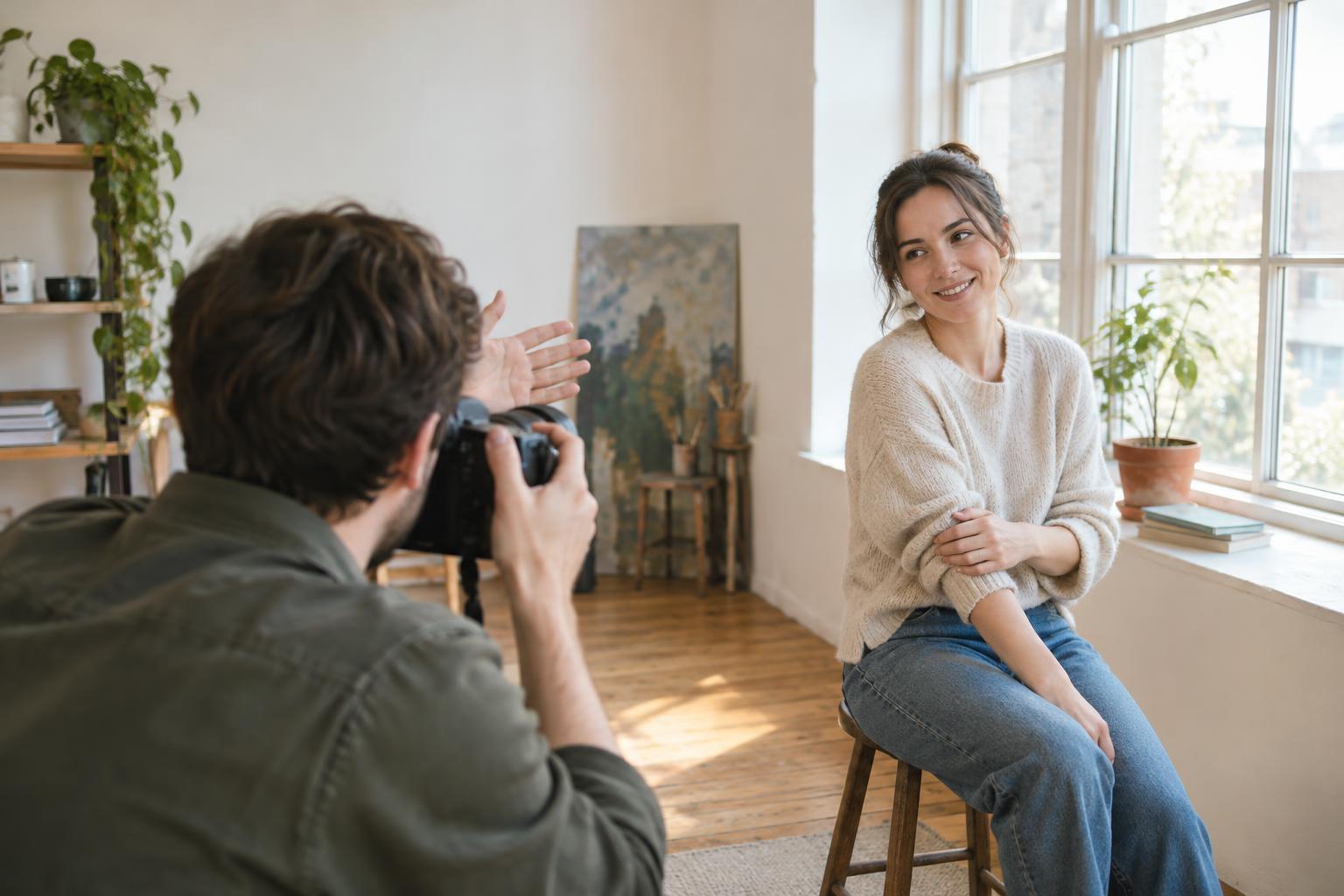
Portrait PhotographyCandid and directed portraits reveal different sides of a person. Learn how to choose an approach based on your subject, setting and goal, then use simple prompts and exercises to make either style feel natural.
Read article · 4 min↗
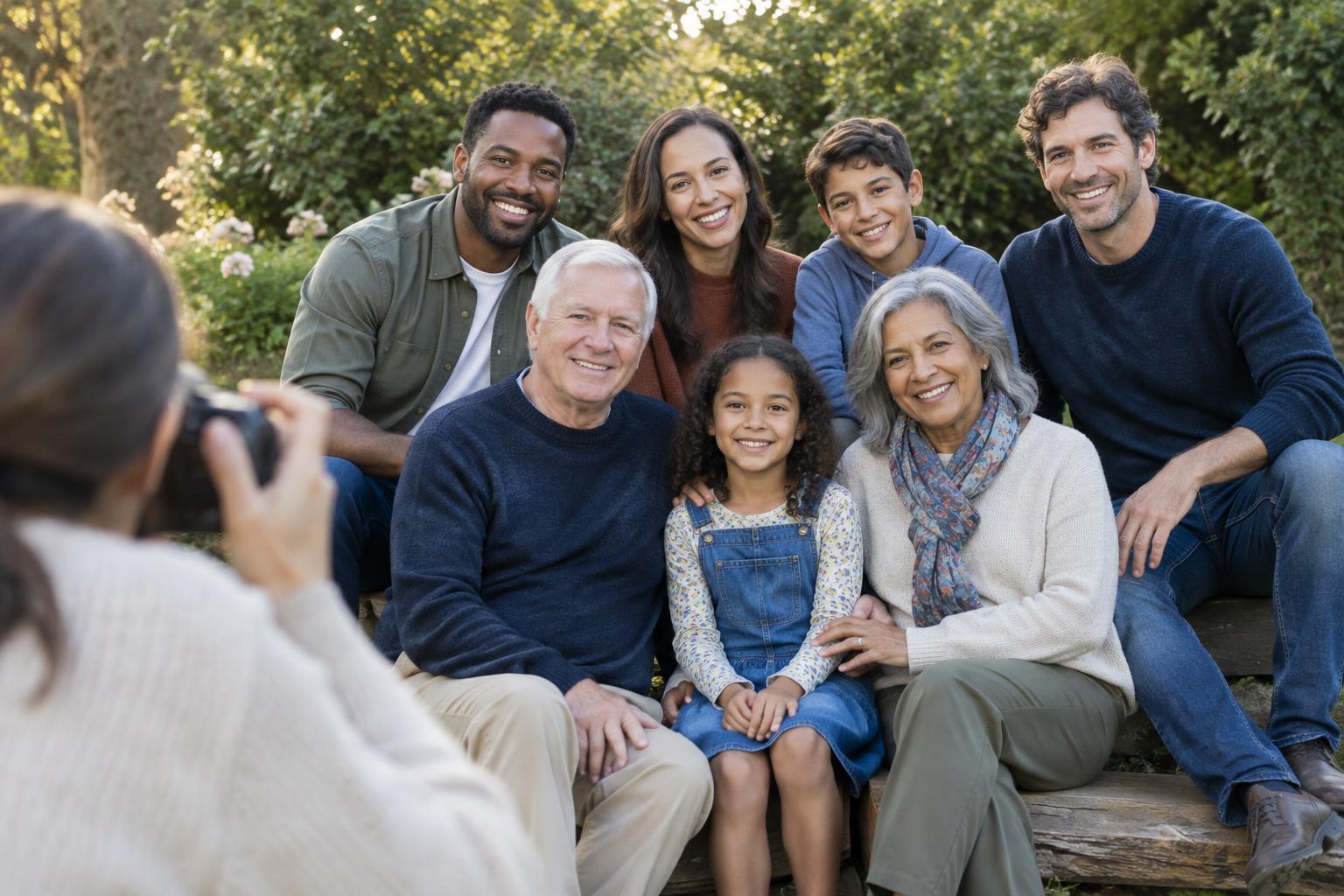
Portrait PhotographyA clear family portrait starts with the arrangement, not the shutter. Learn how to place people at different heights, check for hidden faces, choose a workable camera position, and make small adjustments before you take the photograph.
Read article · 4 min↗
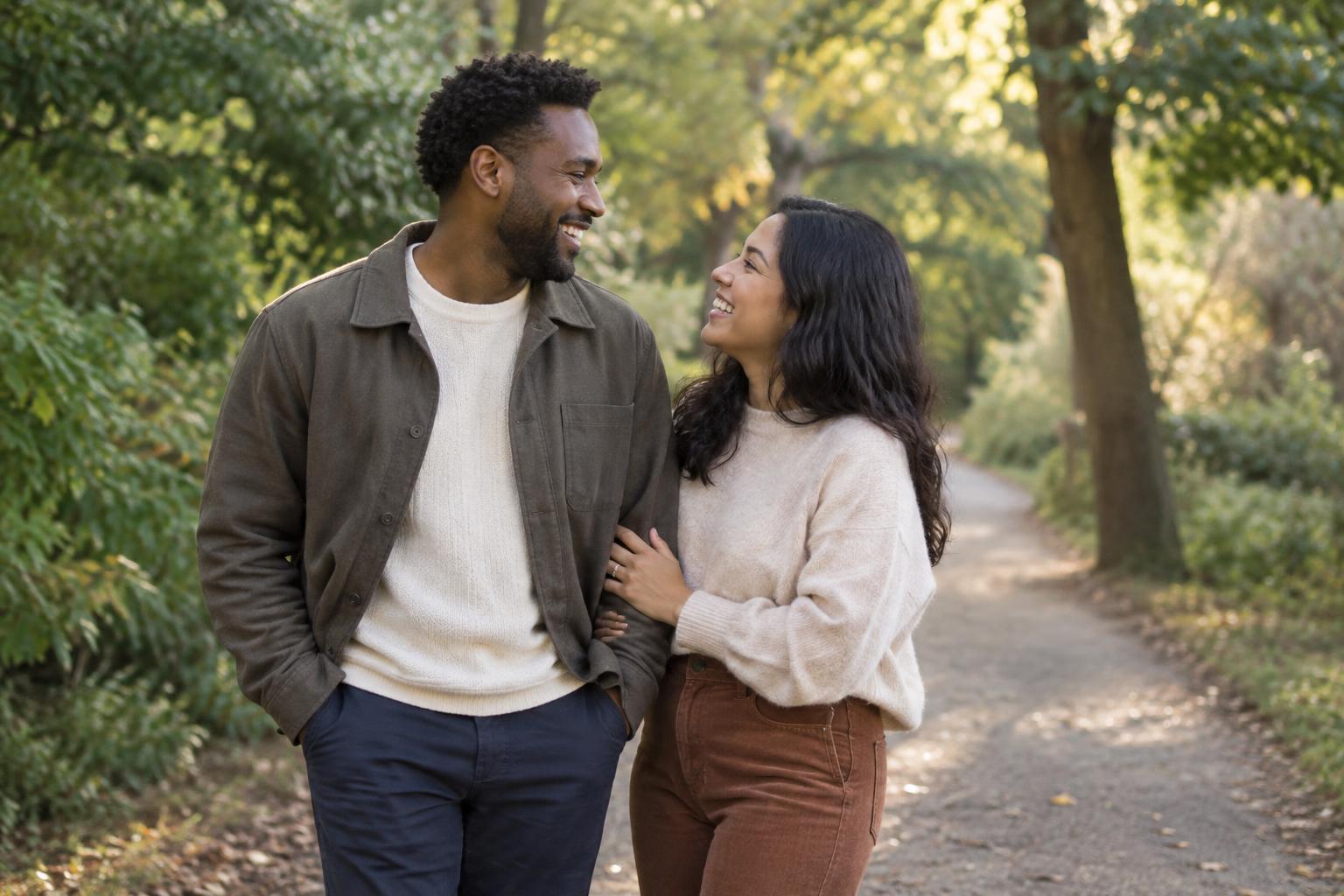
Portrait PhotographyCouples portraits can feel natural without leaving everything to chance. Use simple prompts, comfortable points of contact and small changes in camera position to photograph the way two people relate to each other.
Read article · 4 min↗
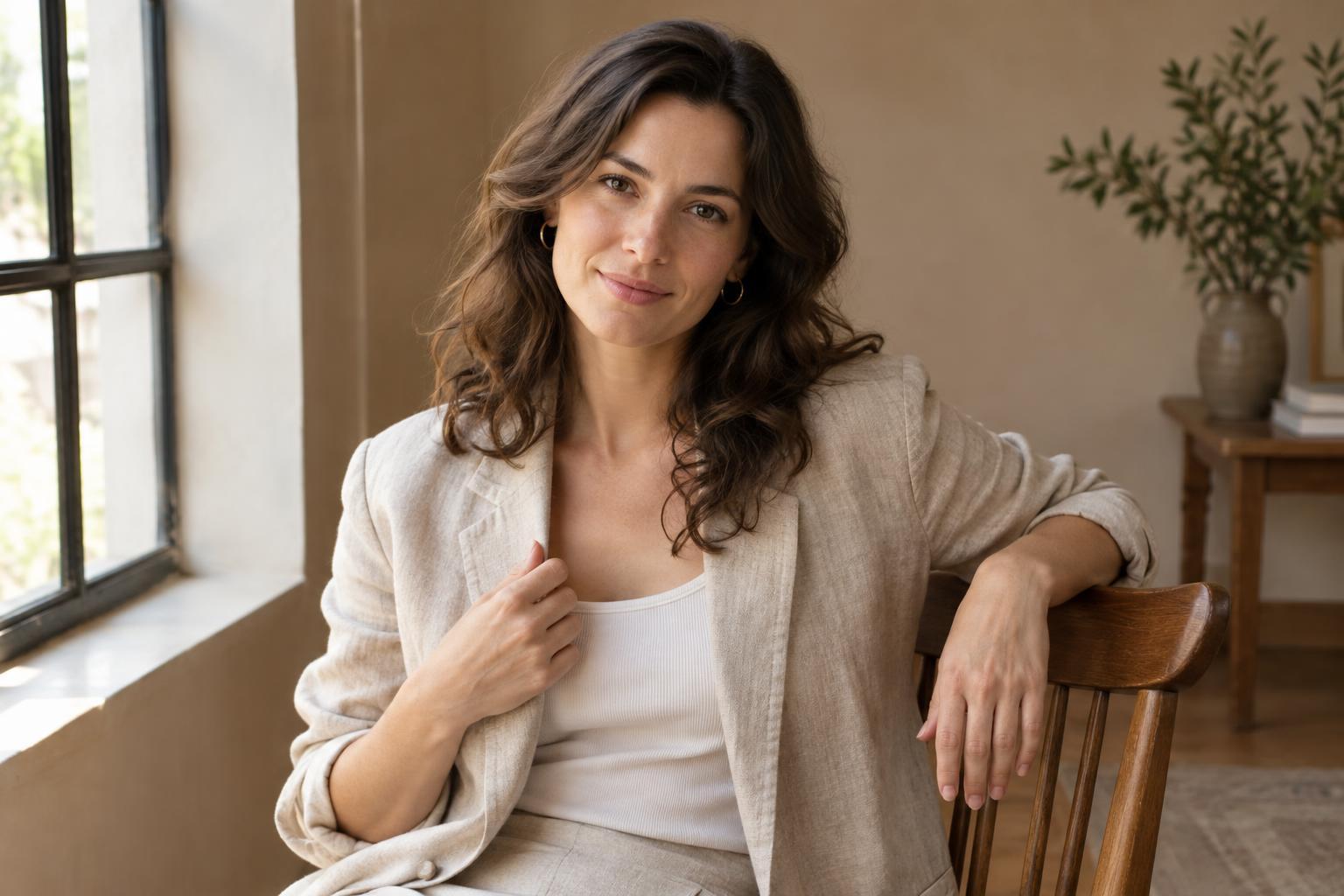
Portrait PhotographyHands can make a portrait feel expressive—or distract from the face when they have nowhere to go. Learn simple ways to give hands a purpose, direct them without stiff posing, and check the details before you take the shot.
Read article · 4 min↗
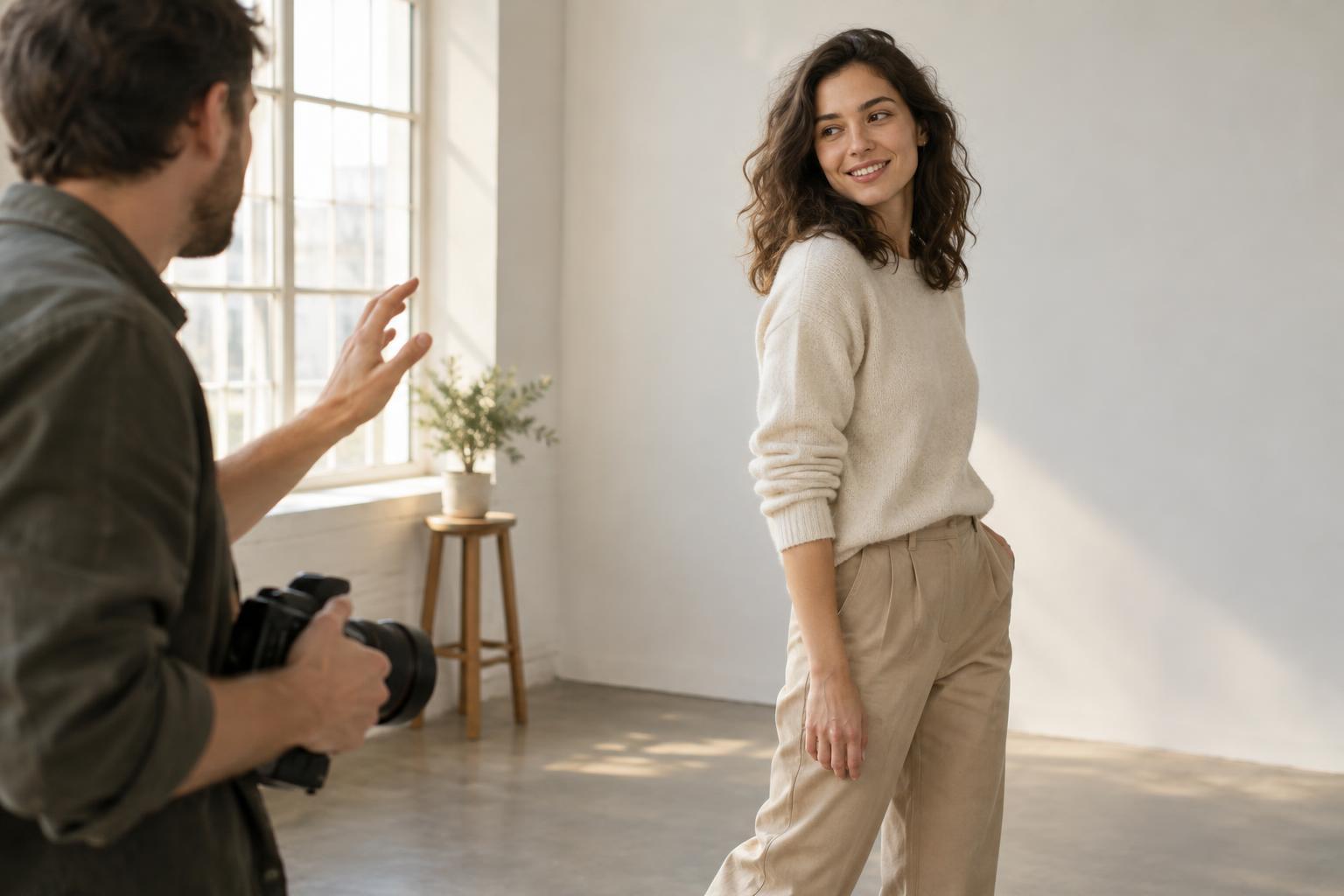
Portrait PhotographyNatural-looking portraits rarely come from asking someone to “act natural.” Give your subject a place to start, then use small, clear prompts that create movement, connection and comfortable pauses.
Read article · 4 min↗
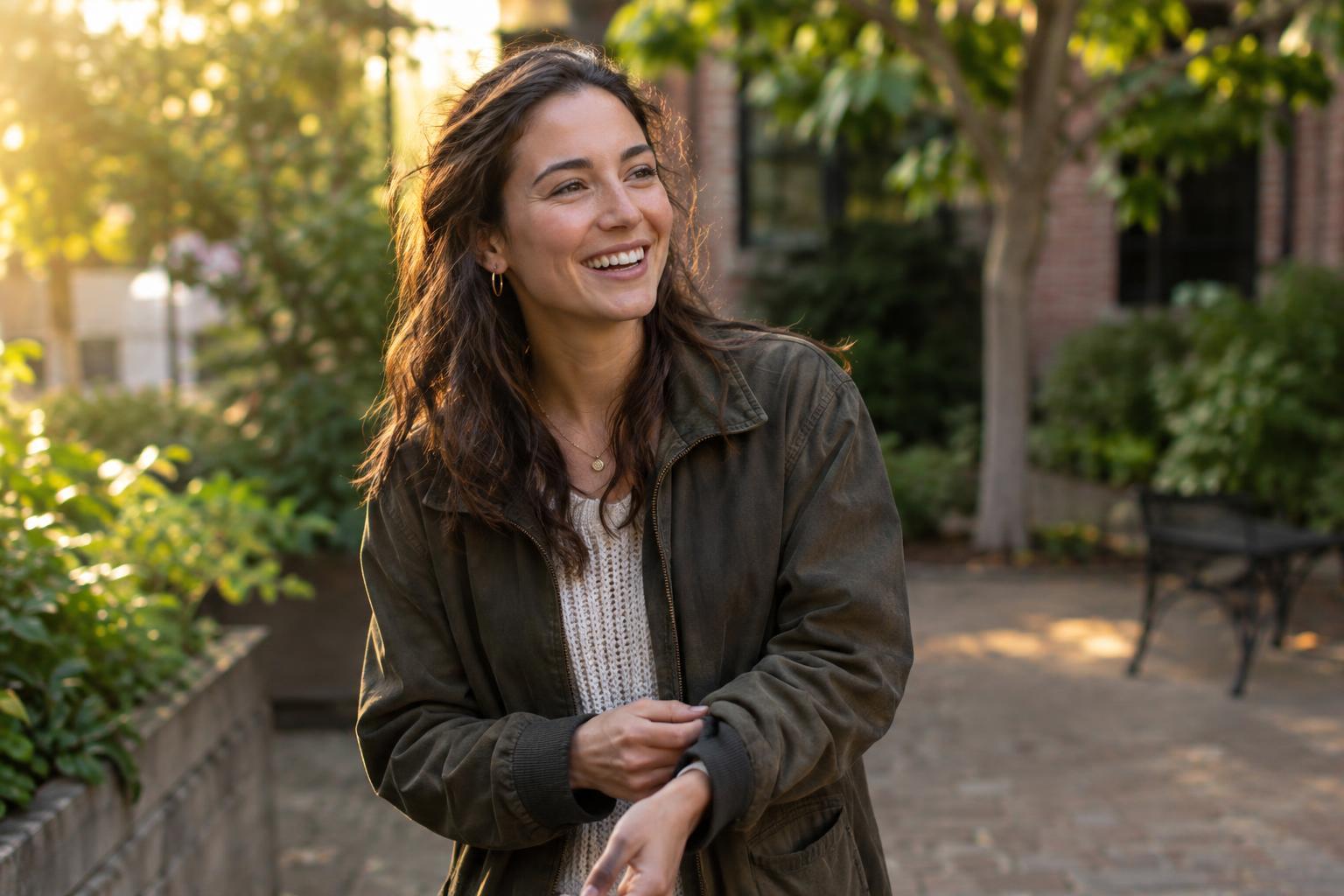
Portrait PhotographyA natural portrait is often easier to make when the person in front of the camera has something to do besides smile. Try these low-pressure conversation and movement prompts, along with simple ways to give direction and recognize the moments worth photographing.
Read article · 4 min↗
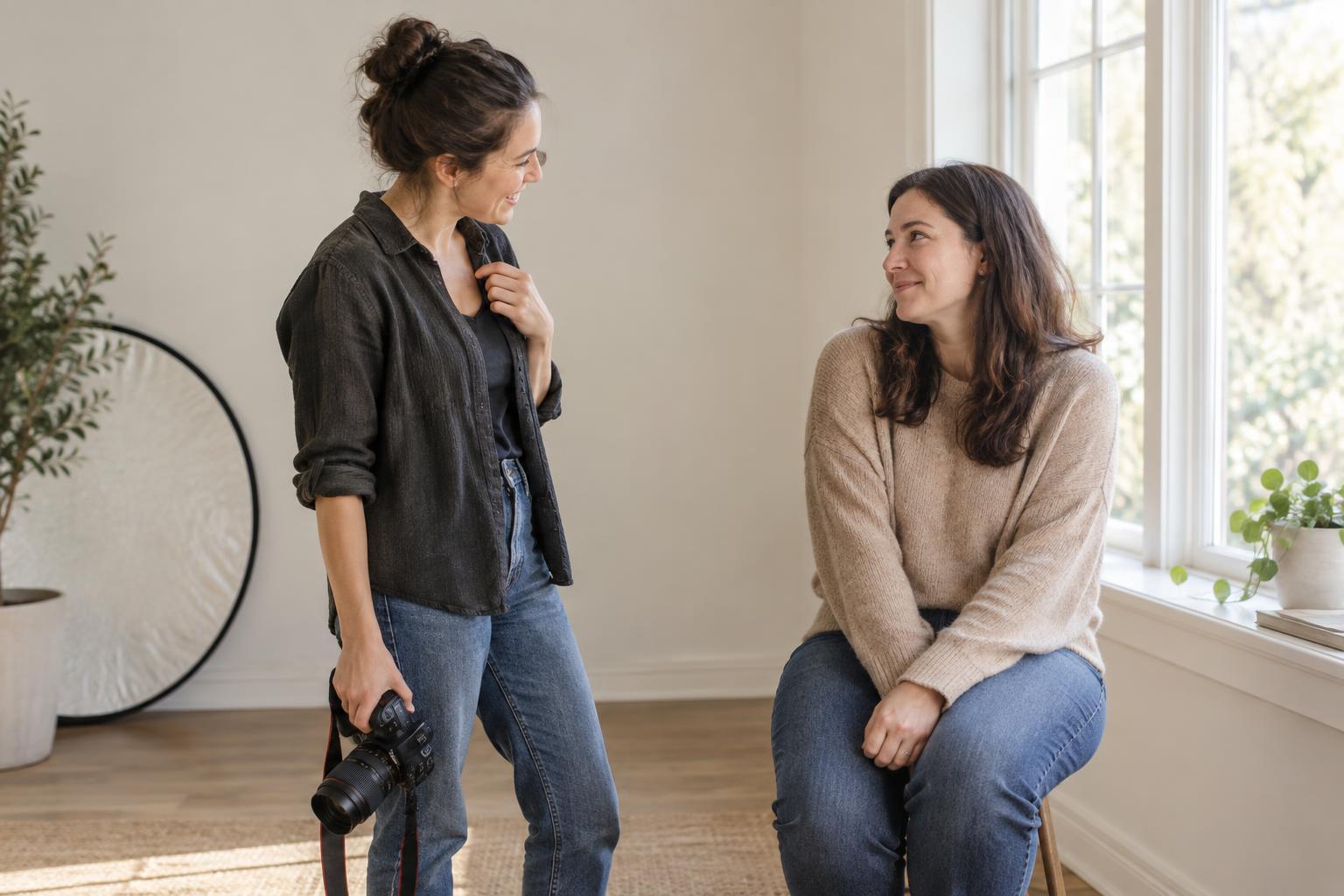
Portrait PhotographyA relaxed portrait session starts before the first frame. Learn how to plan with your subject, give useful direction, build in pauses, and make image review a shared decision.
Read article · 4 min↗
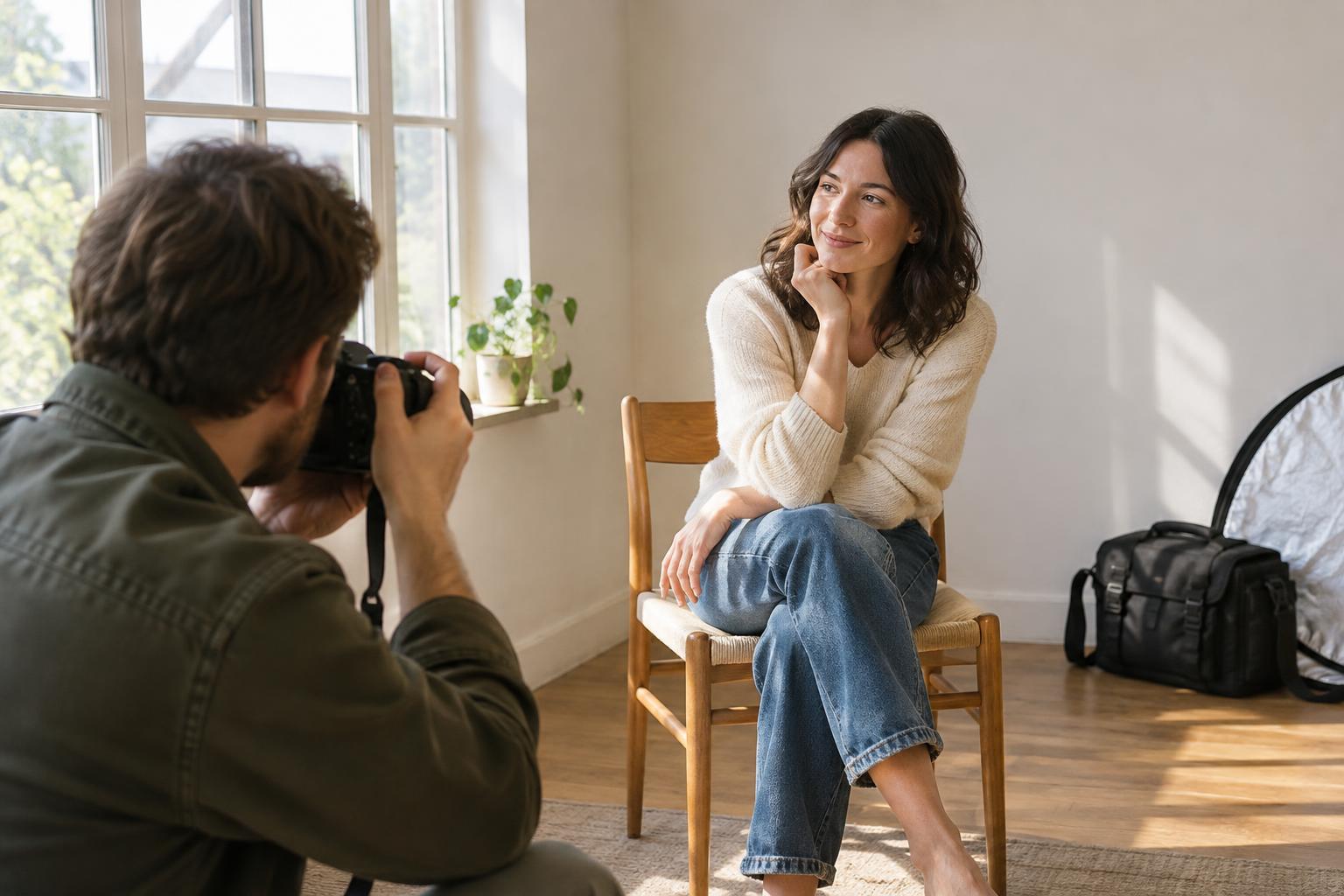
Portrait PhotographyA portrait session feels easier when you know what the photographs are for, where the light will come from, and which images matter most. Use this planning guide to build a flexible shot list, choose a workable location, and leave room for natural moments.
Read article · 4 min↗