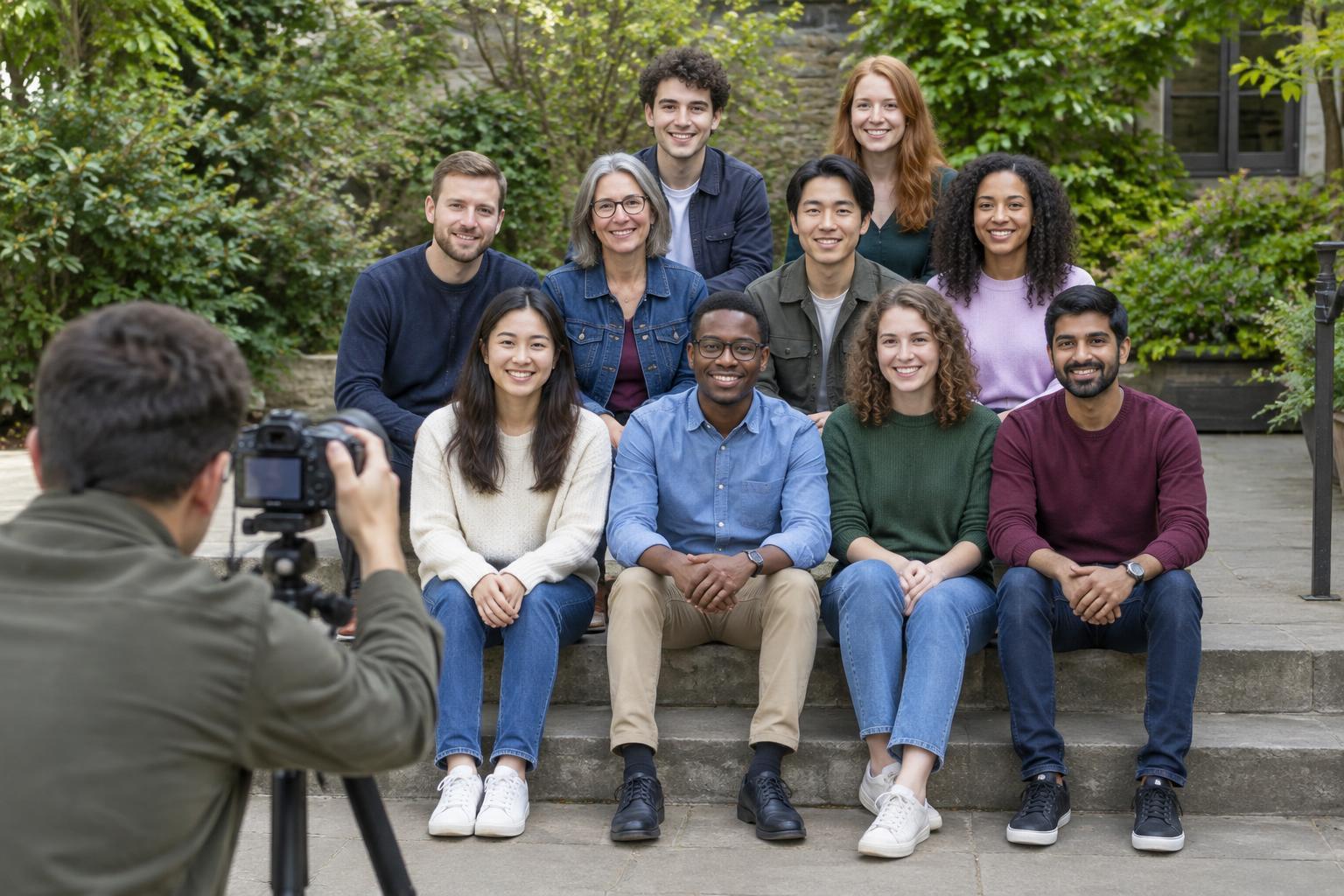
Start with the distinction that matters
When a close-up portrait makes a nose look prominent or ears seem small, it is tempting to blame the lens. The main cause is usually camera distance. Parts of the face closer to the camera appear larger relative to parts farther away. At a short distance, the difference between the nose’s distance and the ears’ distance is a meaningful share of the total. Move the camera back, and that difference becomes less noticeable.
Focal length controls how much of the scene fits in the frame from a given position. A shorter focal length includes more; a longer one includes less. If you stay in one spot and switch lenses, then crop the wider image to match the tighter one, facial proportions remain essentially the same. If instead you step closer to fill the frame with a wide lens, you change perspective. That common change in shooting position is why wide-angle close-ups have a distinctive look.
Choose distance before choosing a lens
Decide first how you want the portrait to feel. For a tight headshot with relatively gentle facial proportions, leave enough room to stand back from your subject. For an environmental portrait that gives the surroundings an active role, working closer can create a stronger sense of depth. Neither look is inherently wrong. The useful question is whether that perspective supports the person and the story you want the image to tell.
Once you have a camera distance in mind, choose a focal length that gives you the framing you need. A longer focal length may help you make a head-and-shoulders portrait without moving close. A shorter one may be necessary to show a person in a small room. In either case, check the frame edges as carefully as the face: hands, knees and feet placed much closer to the camera can appear unusually large, especially in a close, wide composition.
Match the lens to the space and sensor
A moderate telephoto is a convenient starting point for tight portraits because it lets many photographers keep a comfortable distance while filling the frame. A normal or moderately wide lens can be more practical for full-length portraits, small spaces or portraits that include context. These are starting points, not rules. Your available working distance and desired framing matter more than owning a particular portrait lens.
Sensor size affects how much of the scene a focal length captures. For example, a 50 mm lens frames more tightly on an APS-C camera than it does on a full-frame camera from the same position. You may hear photographers describe this using an equivalent focal length: a way to compare fields of view across formats. It does not mean the lens itself has changed focal length. If two camera setups produce the same framing from the same position, their perspective will match closely, even when their focal lengths differ.
Also consider handling rather than just framing. A longer, faster lens may be heavier and harder to use in a cramped setting; a small lens you enjoy carrying may help you make more portraits. Before buying anything, try the lenses or zoom range you already have at the distances your space allows.
Separate perspective from lens distortion
Perspective distortion describes how distances from the camera affect apparent size. Optical distortion is different: it can bend straight lines near the edges of an image into curves or alter the shape of objects across the frame. You can see optical distortion by photographing a straight-edged doorway or grid square-on. It may be correctable in editing, though a correction can crop the edges of the image.
Portraits can show both effects at once. Moving the camera back changes perspective; applying a lens correction does not recreate the perspective of a portrait taken from farther away. Likewise, a longer lens does not flatten a face by itself. The flatter appearance often associated with longer portrait lenses comes from the greater camera distance photographers use to keep a subject framed.
Try a simple portrait comparison
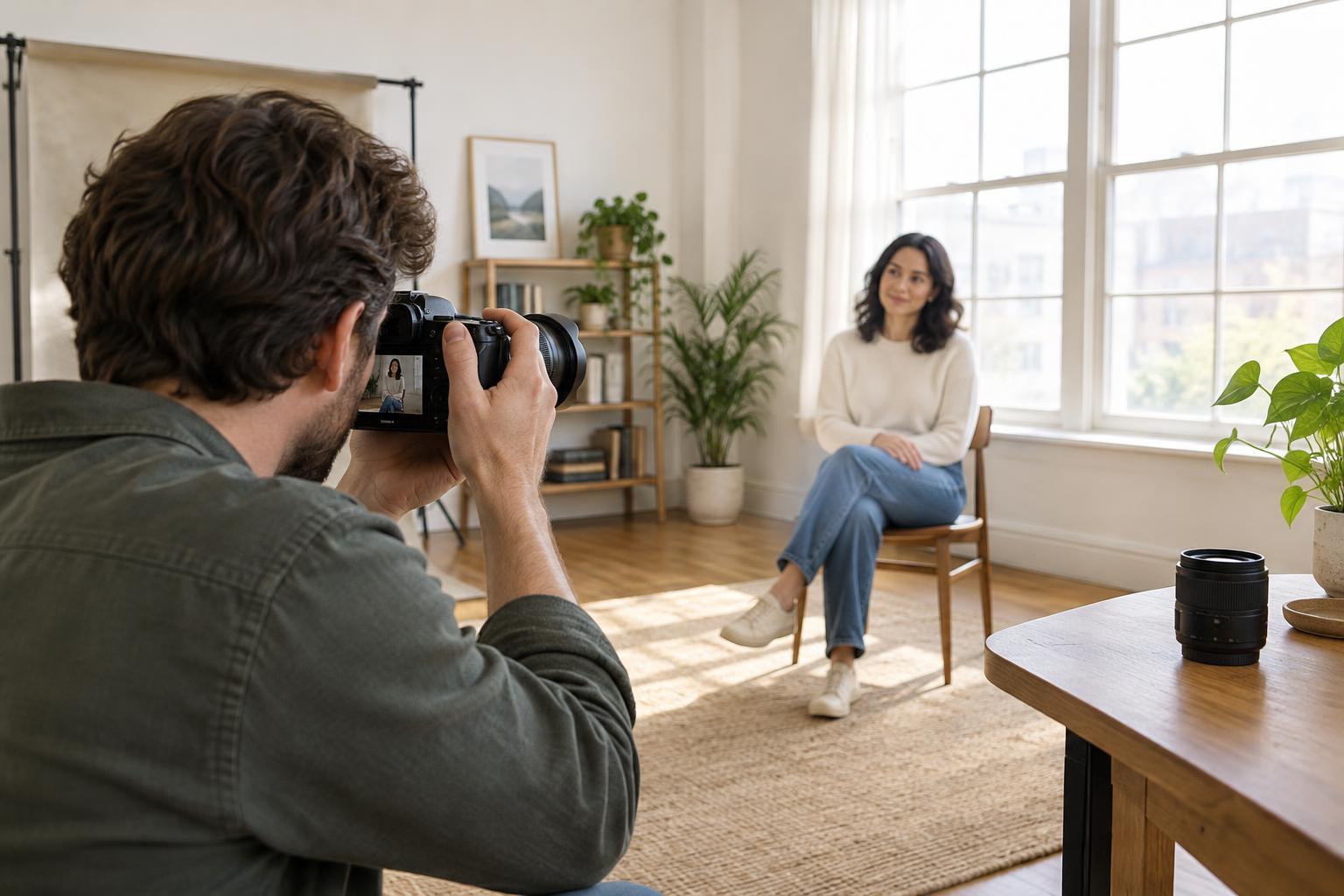
Ask someone to sit comfortably and hold roughly the same pose for a few frames. First, make a close headshot from a short distance using a wide setting. Then step back, select a longer focal length and match the head size in the frame. Keep the camera at about the same height, and compare the apparent size of the nose, ears and near shoulder. This pair shows the effect of changing camera distance.
For a second pair, leave the camera in one place, photograph at a wide and a long setting, then crop the wide frame to match the long one. Compare facial proportions again. Exposure, background blur and image detail may differ, but the relative sizes of facial features should remain much more consistent. Together, these exercises give you a practical way to choose a portrait lens: find the perspective you want by placing the camera, then use focal length to frame it.