Give the portrait a reason to happen
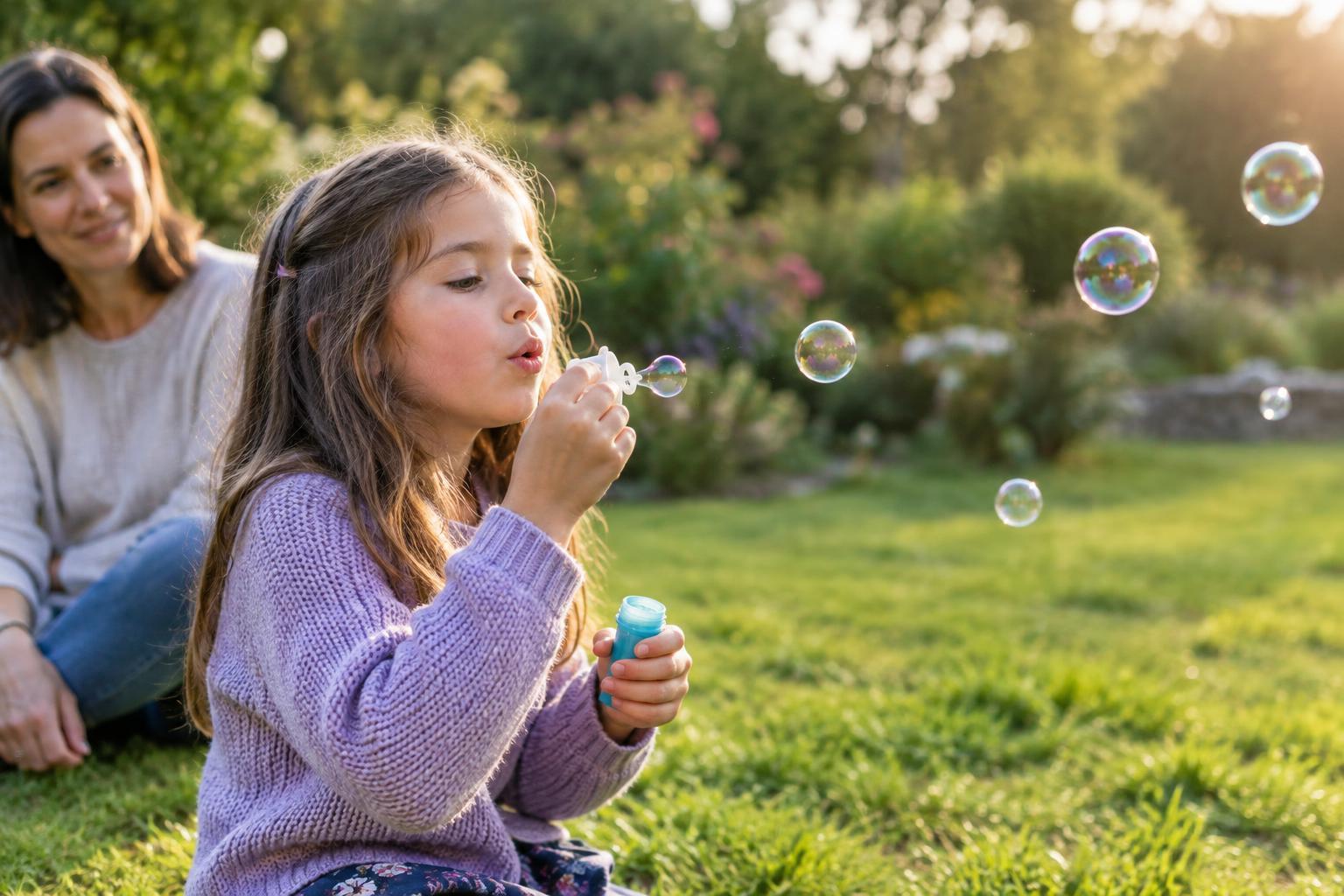
A request to stand still and smile can turn a portrait session into a test of patience. Play offers another approach: the child has something engaging to do, while you look for expressions, gestures and connections as they unfold. The goal is not to make every frame look spontaneous. It is to create enough room for a child to act like themselves.
Start with an activity the child already enjoys, such as drawing, building a tower, looking through picture books or exploring a familiar garden. Ask a parent or caregiver what feels comfortable and choose a setting where the child can move safely. Keep props simple. One activity with several small moments is usually more useful than a long list of games that must be directed and reset.
Set the scene, then step back
Before play begins, take a moment to look at the background. Moving a distracting bag or choosing a position with less clutter can make the photographs easier to read without interrupting the child. Leave space around the activity so hands, toys and body language can become part of the story. A portrait does not always need a face filling the frame.
Soft window light or open shade can make it easier to keep detail in both the child’s face and the surrounding scene. Place yourself where the light reaches the activity, rather than repeatedly asking the child to turn toward it. If the light is strong, try changing your own angle first. Outdoors, check the background as you move: a small step to one side may separate the child from a busy tree or playground structure.
Follow the action without directing every expression
Children often move between concentration and excitement quickly. Watch for a pattern in the activity: the moment before a block is placed, the pause after a drawing is finished, or the glance toward someone joining the game. Photograph the lead-up and the reaction as well as the obvious action. These quieter frames can say more about the child than a smile requested on cue.
Try working at the child’s eye level for a few minutes, then make a wider frame that shows the setting. Give yourself room to follow movement instead of composing so tightly that a small turn cuts off a hand or foot. If the child wants to show you something, respond before lifting the camera. A brief conversation can help the experience remain enjoyable rather than making every interaction feel like a photo opportunity.
You can offer light prompts without demanding a performance: “Can you show me how that works?” or “What happens next?” If interest fades, change activities or take a break. A willing, absorbed child is a better starting point for a portrait than one who feels obliged to keep playing for the camera.
Choose settings that let you stay present
Equipment should make it easier to pay attention, not add another task for the child. A camera or phone you can operate comfortably is enough to practice this approach. If your camera offers continuous autofocus, it may help keep a moving child in focus. A faster shutter speed can reduce motion blur during energetic play, though it may require more light or a higher ISO. For a calmer activity, you can slow down and be more deliberate.
Take a few test frames and check whether faces are sharp and the exposure looks workable. Then return your attention to the scene. Burst shooting can help with brief expressions, but holding the shutter down throughout an activity produces many similar files to sort later. Try short bursts around moments you anticipate. If you use a wide aperture for a soft background, remember that movement can carry the child out of the narrow area in focus.
Respect the child during and after the session
Ask the parent or caregiver for permission to photograph, and pay attention to the child’s response as well. If a child pulls away, asks you to stop or seems uncomfortable, lower the camera. Avoid turning a game into a risky stunt for the sake of a dramatic image. The activity, location and pace should suit the child, not a predetermined shot list.
When selecting images, look beyond the biggest grin. A thoughtful pause, a shared laugh or a pair of busy hands may make a stronger portrait. Keep the edit consistent with the scene: adjust brightness and color if needed, but consider leaving signs of play intact. Before sharing a photograph, check what the family is comfortable making public, especially if an image reveals a location, school detail or other identifying information.
For practice, choose one familiar activity and make three kinds of frame: a wide view showing the setting, a medium view showing the child at work, and a close view of a gesture or expression. Review them together afterward. Notice which moments needed direction and which appeared when you gave the child space to play.