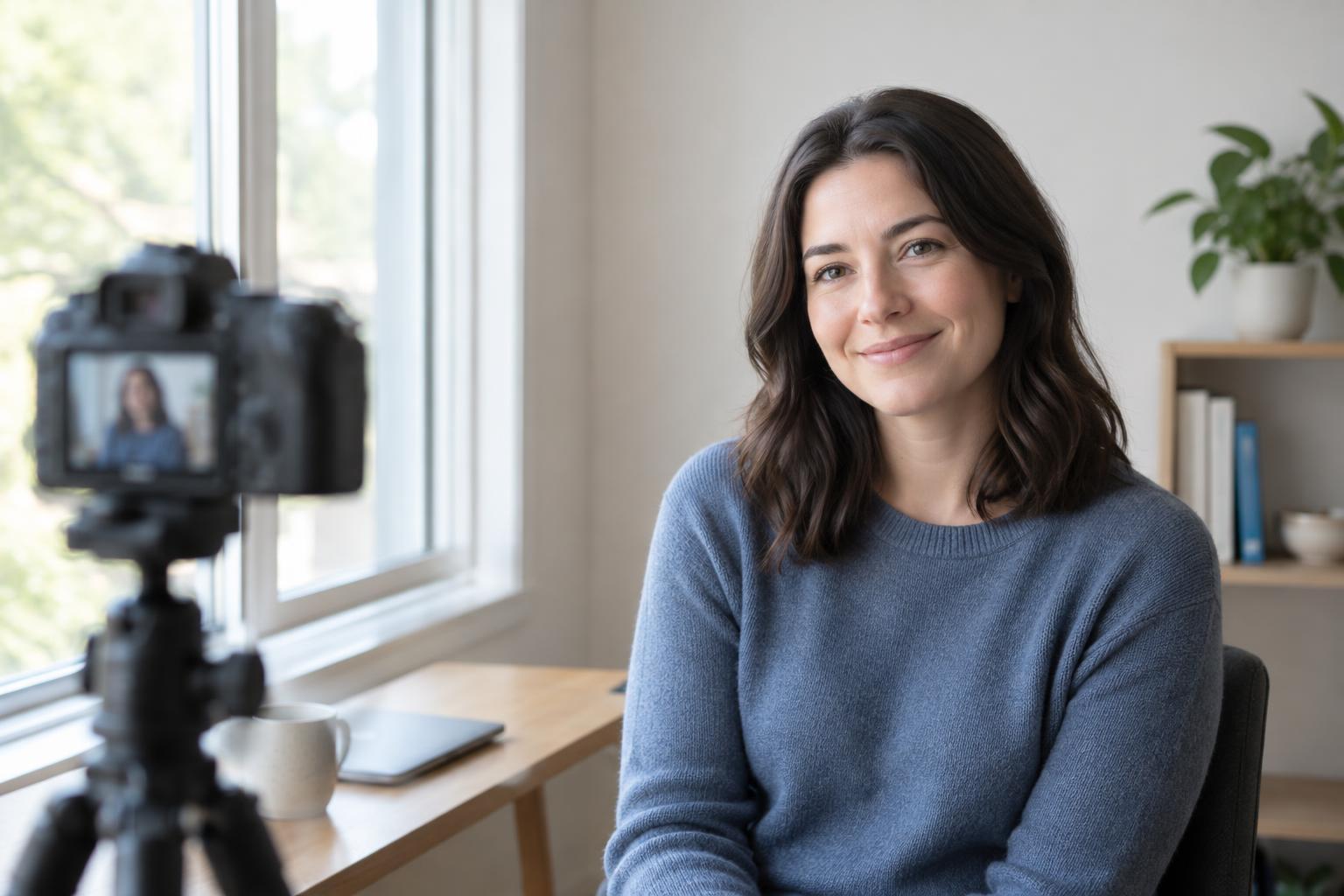
Start with the portrait’s purpose
A candid portrait catches a person during an activity or interaction rather than asking them to hold a pose for the camera. A directed portrait is made with some guidance: where to stand, which way to turn or what to do with their hands. Neither approach is automatically more honest or more flattering. Each gives you a different way to show the person.
Before raising the camera, ask what the photograph needs to communicate. If the setting and activity matter as much as the face, a candid approach may preserve useful context. If the image needs a clear expression, consistent framing or space for a layout, direction can help you create it. Many sessions benefit from both: begin with a simple plan, then leave room for unplanned moments.
When candid portraits work best
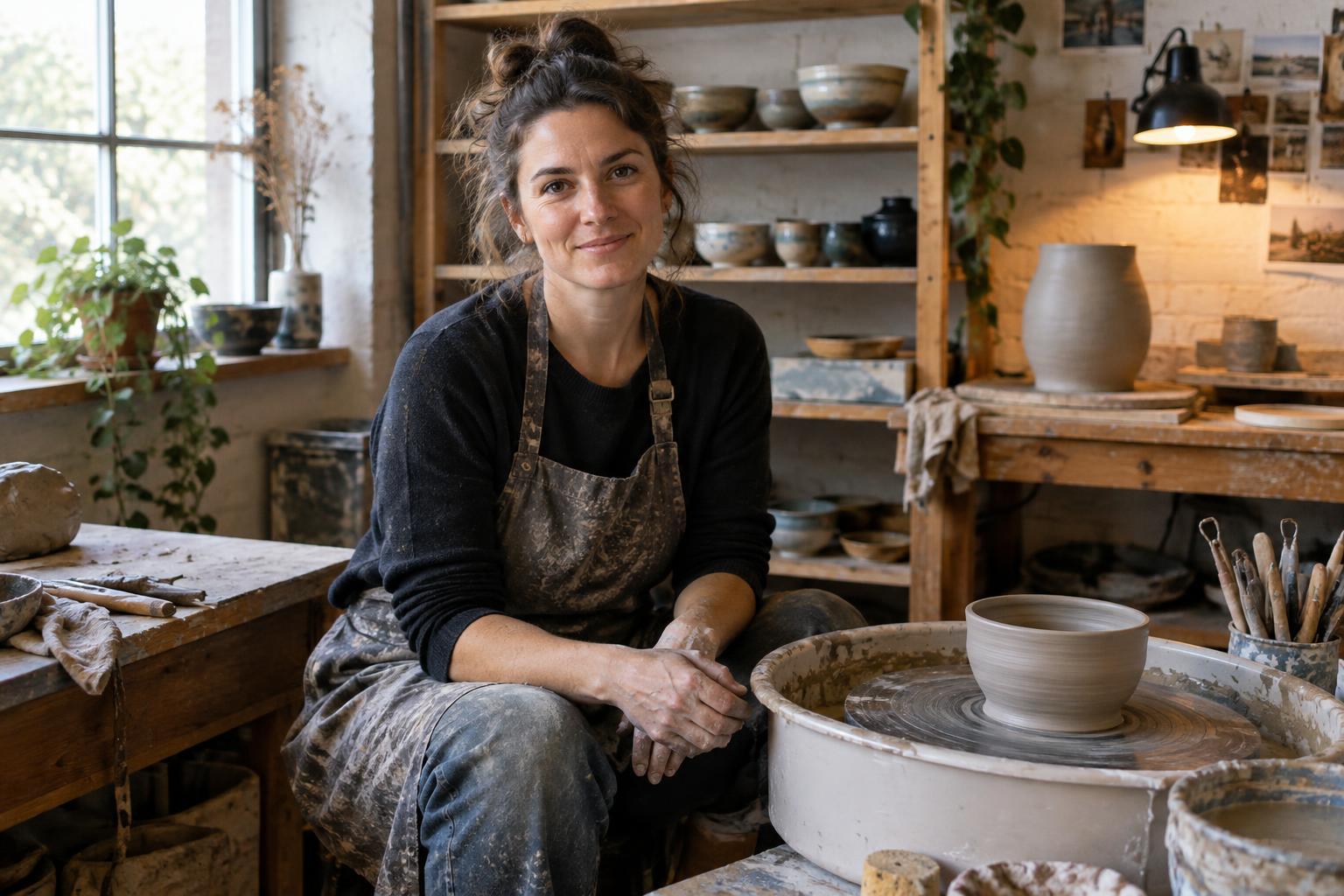
Choose a candid approach when someone is absorbed in something meaningful to them, such as preparing a meal, practicing a skill or talking with a friend. Instead of waiting only for a smile, look for gestures that tell a small story: a hand reaching for a tool, a pause before speaking or a glance toward another person. Keep enough of the surroundings in the frame to explain what is happening, while checking that distracting objects do not compete with the subject.
Position yourself where the light and background already work, then wait for activity to enter the frame. This can be less disruptive than following someone closely with a camera. A small camera or a familiar lens may feel less conspicuous, but considerate behavior matters more than equipment. If your subject is aware of the shoot, agree on what they are comfortable having photographed. If a moment feels private or uncomfortable, put the camera down.
Candid does not have to mean distant or silent. You might invite someone to continue a familiar activity and photograph the moments between brief conversations. Give the subject space to return to what they were doing, and review your frames for expression, gesture and background rather than assuming that an unposed image is automatically a keeper.
When direction is the kinder or clearer choice
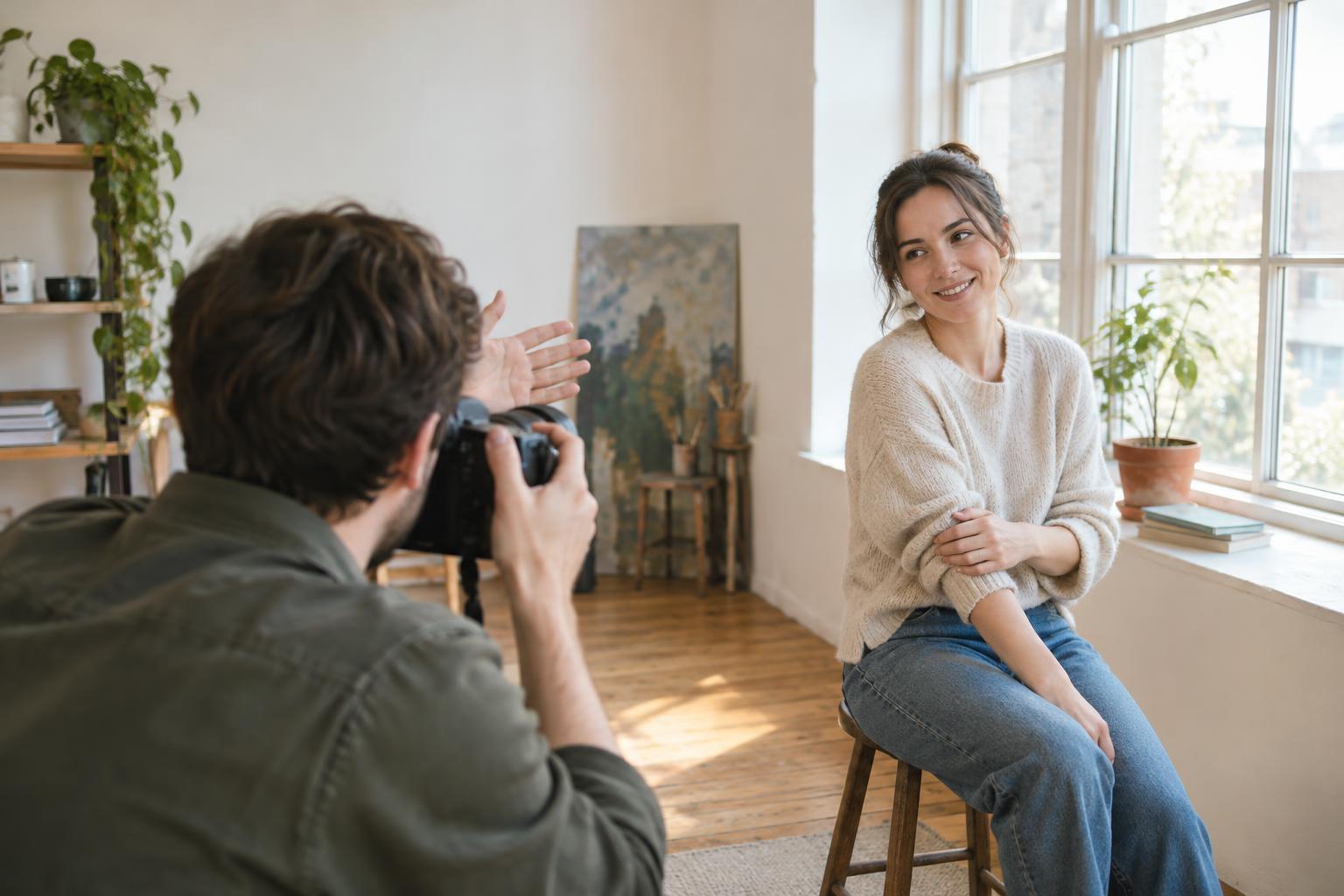
Direction is useful when time is short, the light is difficult or the portrait has a specific purpose. A subject may also feel more at ease knowing what to do instead of wondering whether every movement is being photographed. Start with a clear, small suggestion: “Turn slightly toward the window” or “Rest your hands on the table.” Then pause. Too many instructions at once can make a person look preoccupied with following them.
Rather than trying to control every detail, give prompts that create a natural action. Ask someone to walk to a doorway, adjust a jacket or look toward a person just outside the frame. Watch what happens after the action, too; a relaxed expression may arrive when the subject thinks the pose is finished. Show a useful frame if they want reassurance, and describe what is working without criticizing their appearance.
Directed portraits also make it easier to refine the photograph. You can move the subject away from a busy background, rotate them toward softer light or adjust your camera height before making more frames. Change one element at a time so both of you can tell what improved the image.
Move between the two approaches
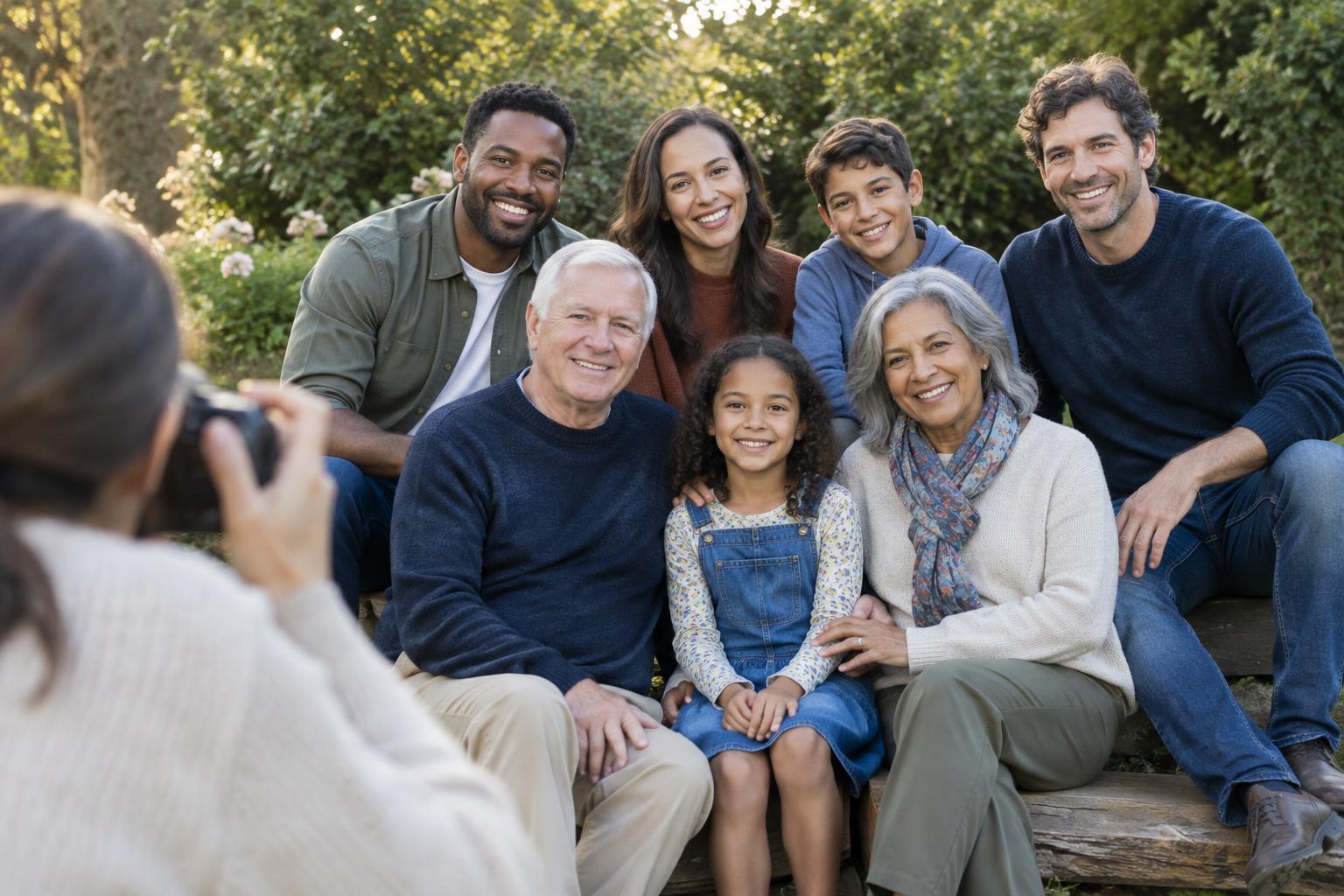
The boundary between candid and directed photography is flexible. At a family gathering, you might make a few lightly guided portraits near a window, then photograph people interacting once they return to the room. During a creative workspace session, you might ask a subject to demonstrate a task but avoid directing every gesture. The result can retain the energy of an activity while giving you a workable angle and background.
Pay attention to how the subject responds. If they become stiff under direction, offer an action instead of another pose or take a break from photographing. If candid frames keep hiding their face or losing the intended story, ask for a brief pause in a better spot. Explain the change so it feels like collaboration, not correction.
Practice seeing both possibilities
Try making two short sets of portraits with a willing subject in the same location. For the first set, ask them to do an ordinary activity and photograph without interrupting. For the second, guide them toward the best light and make small adjustments to position and expression. You do not need different gear: one camera and one lens are enough to compare the approaches.
When you review the images, pick a few from each set and ask what each one communicates. Does the candid frame show a revealing gesture but leave the face in shadow? Does the directed frame show the face clearly but lose the sense of place? Use those observations to plan a third set that borrows the strengths of both. The goal is not to choose a permanent style; it is to recognize what the person and the moment need.