Start with comfort, not a command to smile
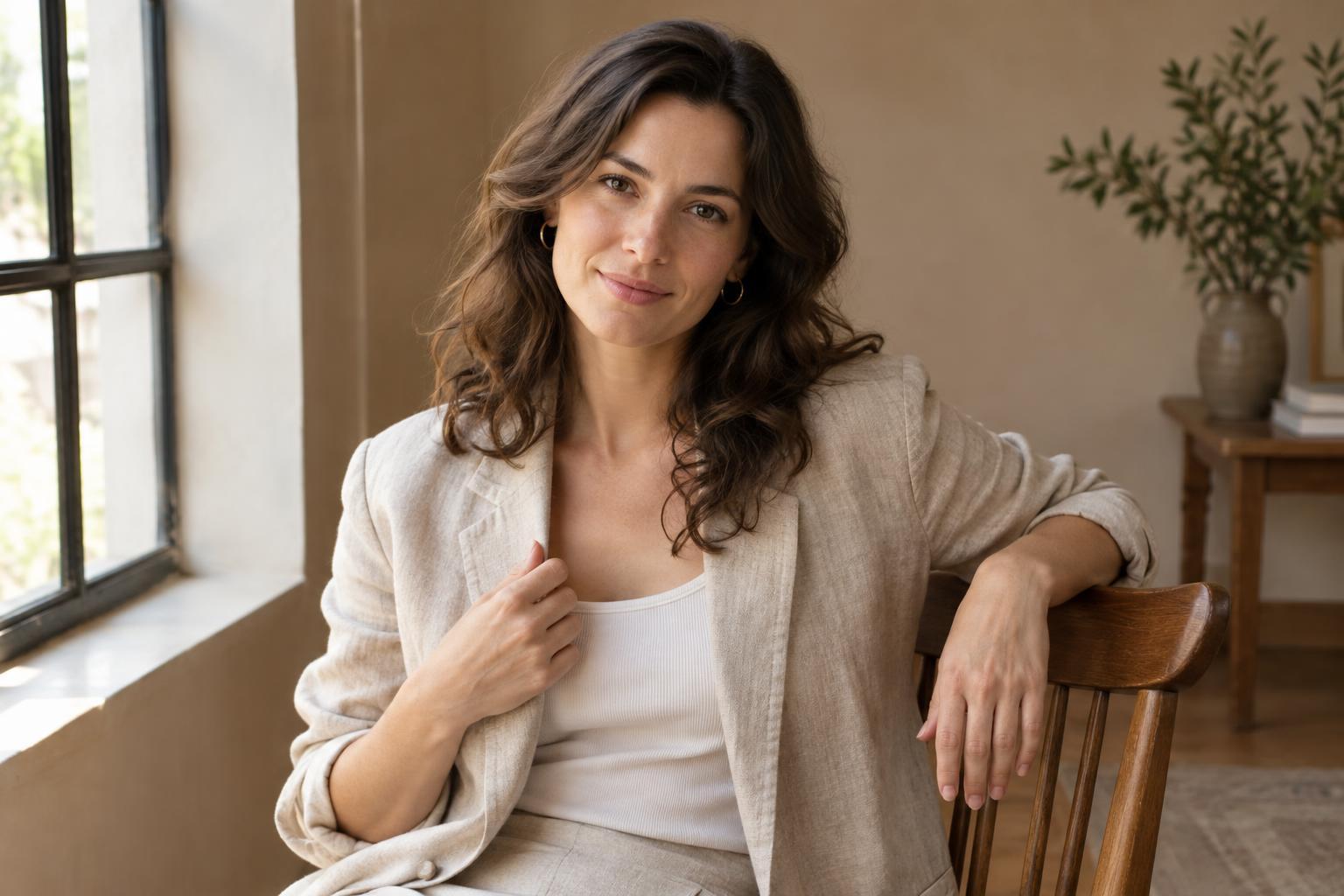
A portrait session can feel awkward when every pause turns into an instruction to “look natural.” Instead, give the person a clear idea of what will happen. Explain where they can stand, whether you will offer direction, and that they can take a break or decline a prompt. Ask what kind of photograph they would like to make: warm, thoughtful, playful or something else. Their answer is a better starting point than assuming everyone wants a big smile.
Keep your first directions easy to follow. Try “Turn a little toward the window” or “Rest your hands wherever they feel comfortable.” Take a few frames while they settle in, without treating the first expression as the final one. If a pose looks stiff, change the task rather than repeatedly asking them to relax. Comfort varies by person, so notice which suggestions they respond to and leave the others behind.
Use conversation prompts with room for a real answer
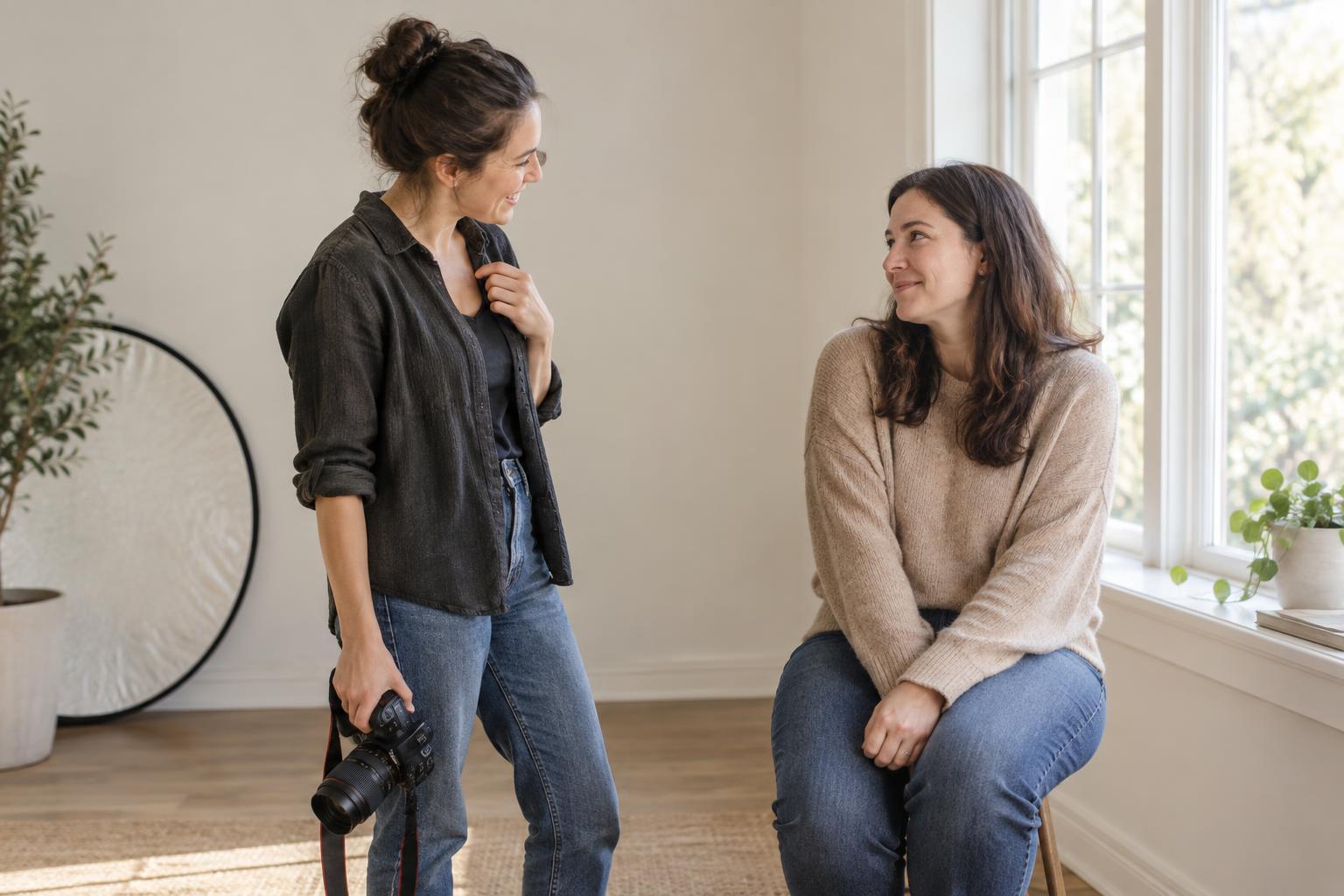
A good conversation prompt invites a memory or opinion without demanding a performance. Ask about a place they enjoy returning to, a small thing that made their week better, or a skill they would like to learn. Photograph while they think, speak and finish their answer. The transition between expressions may be more revealing than the expression they make while looking directly into the lens.
Match the question to your relationship with the person. With someone you barely know, keep it light: “What is your ideal way to spend a free morning?” With a friend, a shared memory might bring out a familiar look. Avoid pushing for personal stories to get an emotional reaction. You can also offer a choice: “Would you rather talk for a minute, or try a few quiet portraits?” A thoughtful, unsmiling expression can be just as natural as laughter.
Give the body a small job
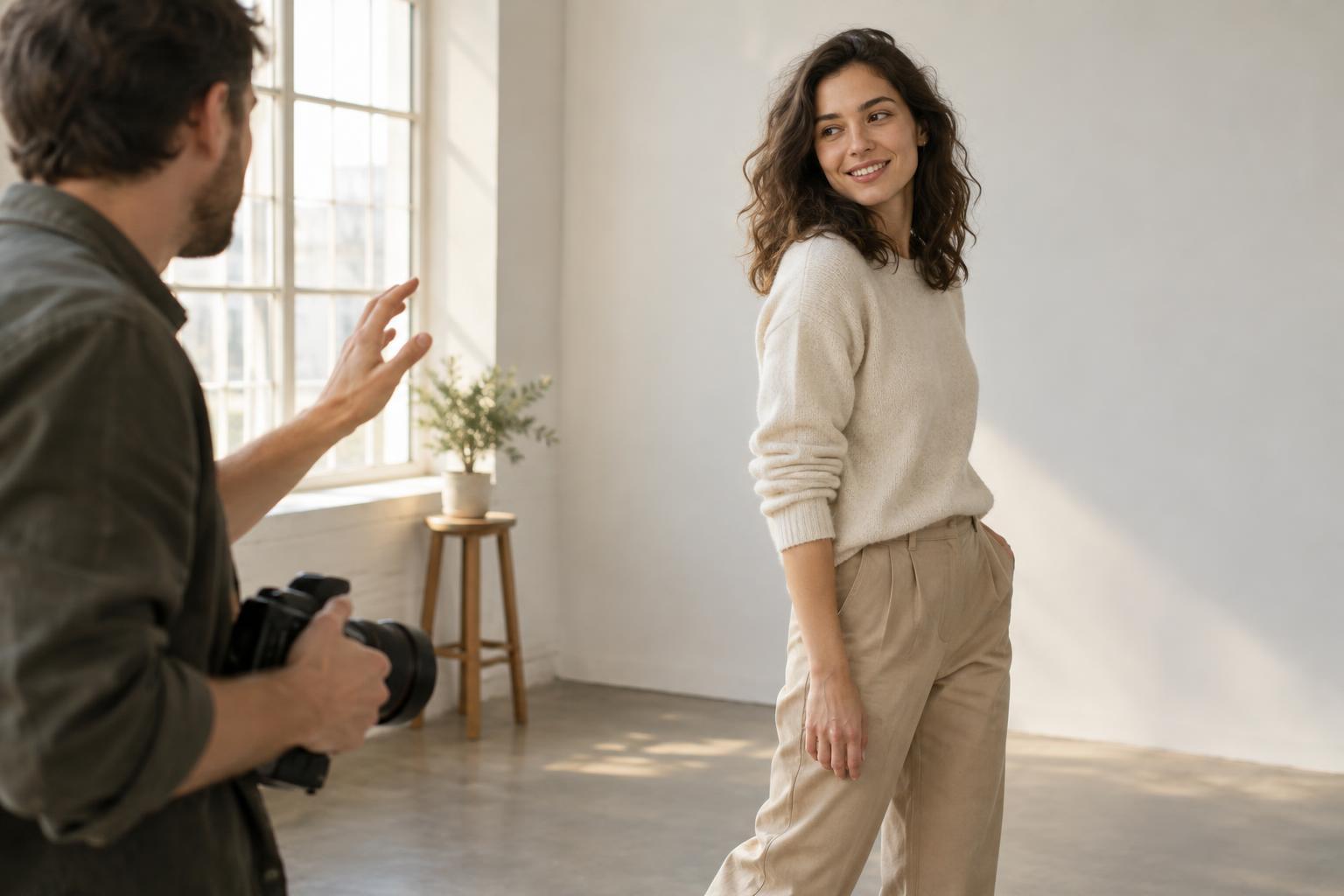
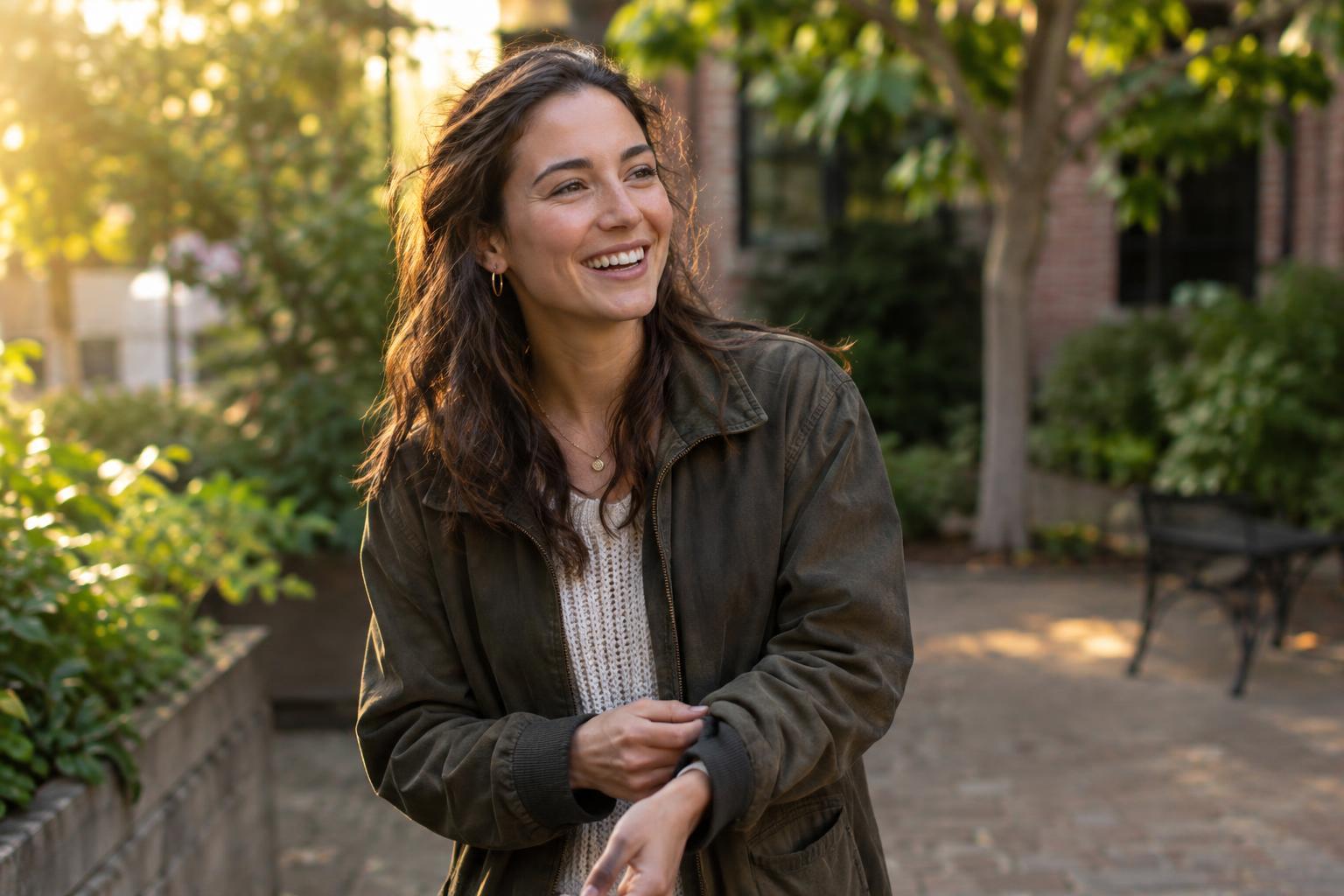
Movement prompts help when someone becomes conscious of their hands or posture. Ask them to walk a few steps toward a mark, pause and turn back toward you. Have them adjust a jacket, tuck hair behind an ear if they want to, or lean against a wall and look briefly to one side. These actions create gentle changes in posture without requiring the person to hold a fixed pose.
Keep the task short enough to repeat. Before asking for a walk, check that the path is clear and decide where you want to focus. A fast shutter speed can help limit motion blur, while a burst of frames may catch an expression between steps. You do not need to photograph continuously: lower the camera, reset the task and give a specific, encouraging note about what worked, such as “That turn toward the light gave your face a nice shape.”
Build prompts around the setting and the person
An object or activity can give a portrait a natural rhythm. A musician might hold an instrument, a gardener might inspect a plant, or a traveler might look through a map. Ask the person to interact with something meaningful to them rather than handing them an unrelated prop. If the object draws attention away from the face, simplify the frame or ask them to pause and look up after using it.
Interaction can work without a prop, too. Invite a pair of subjects to look at each other, walk together or tell each other a harmless joke. For a solo portrait, ask the subject to look toward a sound, then back to you. Give one instruction at a time, and make sure any touch or adjustment is invited rather than assumed. The aim is not to catch someone off guard; it is to make space for expressions they are comfortable showing.
Practice listening and timing
Try this exercise with a willing subject: choose one location and spend five minutes making portraits using only conversation prompts. For the next five minutes, use simple movement prompts. Keep your framing and light fairly consistent so you can see how the prompts affect posture and expression. Afterward, review the images together if they are comfortable doing so, and ask which ones feel like them.
As you work, pay attention to the moment just after a response or action. Someone may soften their face when they finish speaking, glance back after a turn, or settle into a comfortable stance between directions. Be ready to make a frame, but allow pauses instead of filling every second with instructions. Natural expressions are not one look you can summon on command. They come from a session in which the subject has room to respond, move and be themselves.