Start with the purpose, not a dress code
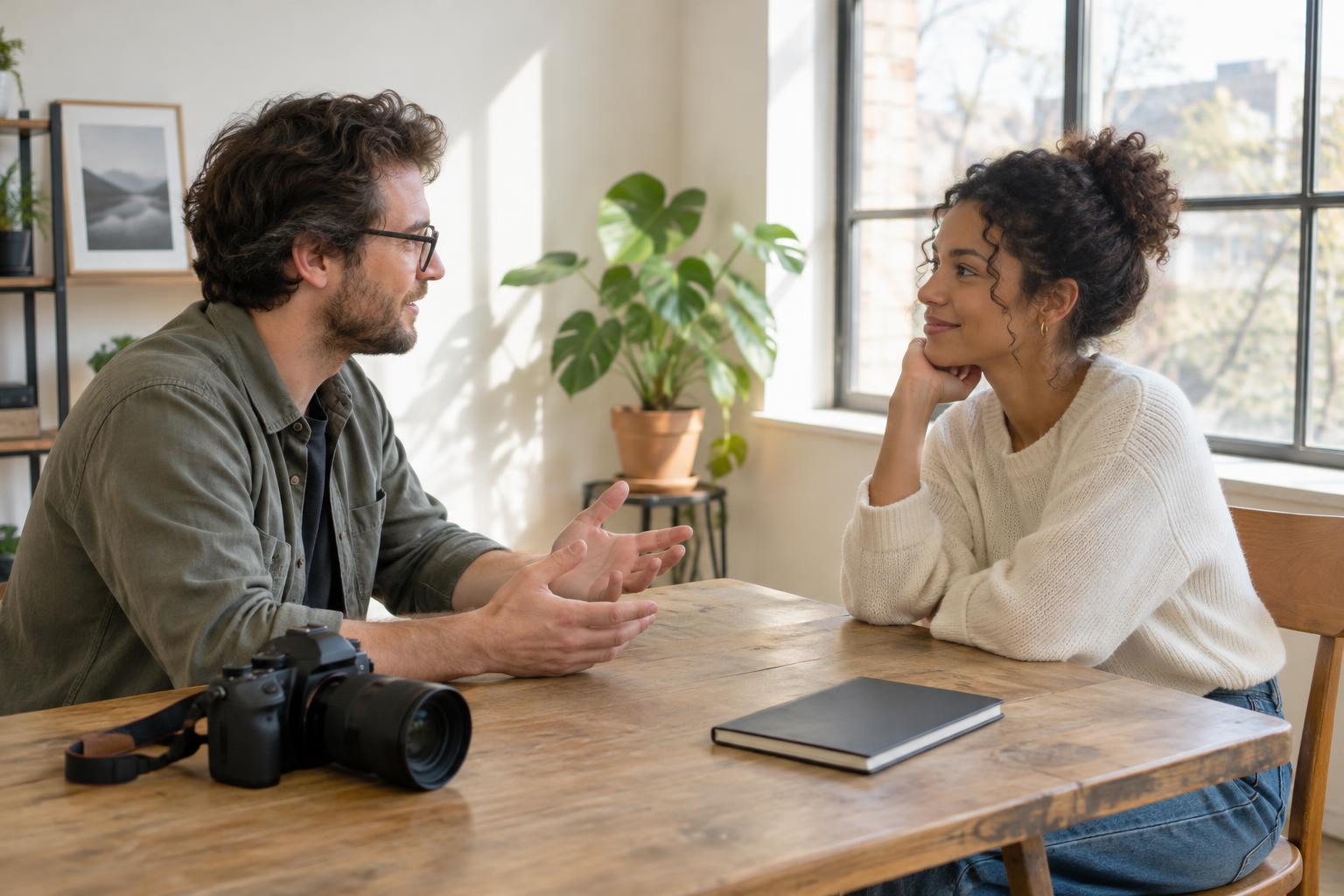
Before suggesting an outfit, ask where the portraits will be used and how the subject wants to feel in them. A relaxed family portrait, an artist profile, and a formal headshot may call for different choices. Share the location, likely background, and planned activities so the subject can picture the session. If you expect to photograph them seated, walking, or reaching, say so; clothing that looks right while standing still may be uncomfortable in motion.
Offer guidance as options rather than rules. A useful prompt is: “Bring something you enjoy wearing and can move in, plus one alternative if you have it.” This gives the subject a starting point without asking them to buy anything. Their sense of identity matters more than a photographer’s preferred palette. If a favorite jacket or bright pattern feels essential to them, consider how to photograph it well instead of dismissing it.
Consider color in relation to the scene
Clothing color affects where the eye goes in a portrait. Against a busy background, a simple, distinct color can help the subject stand out. Against a plain wall or studio backdrop, a similar color can create a quieter image if there is enough difference in tone or texture to keep the outline clear. There is no single shade that works for every person or every setting; the background and light matter just as much.
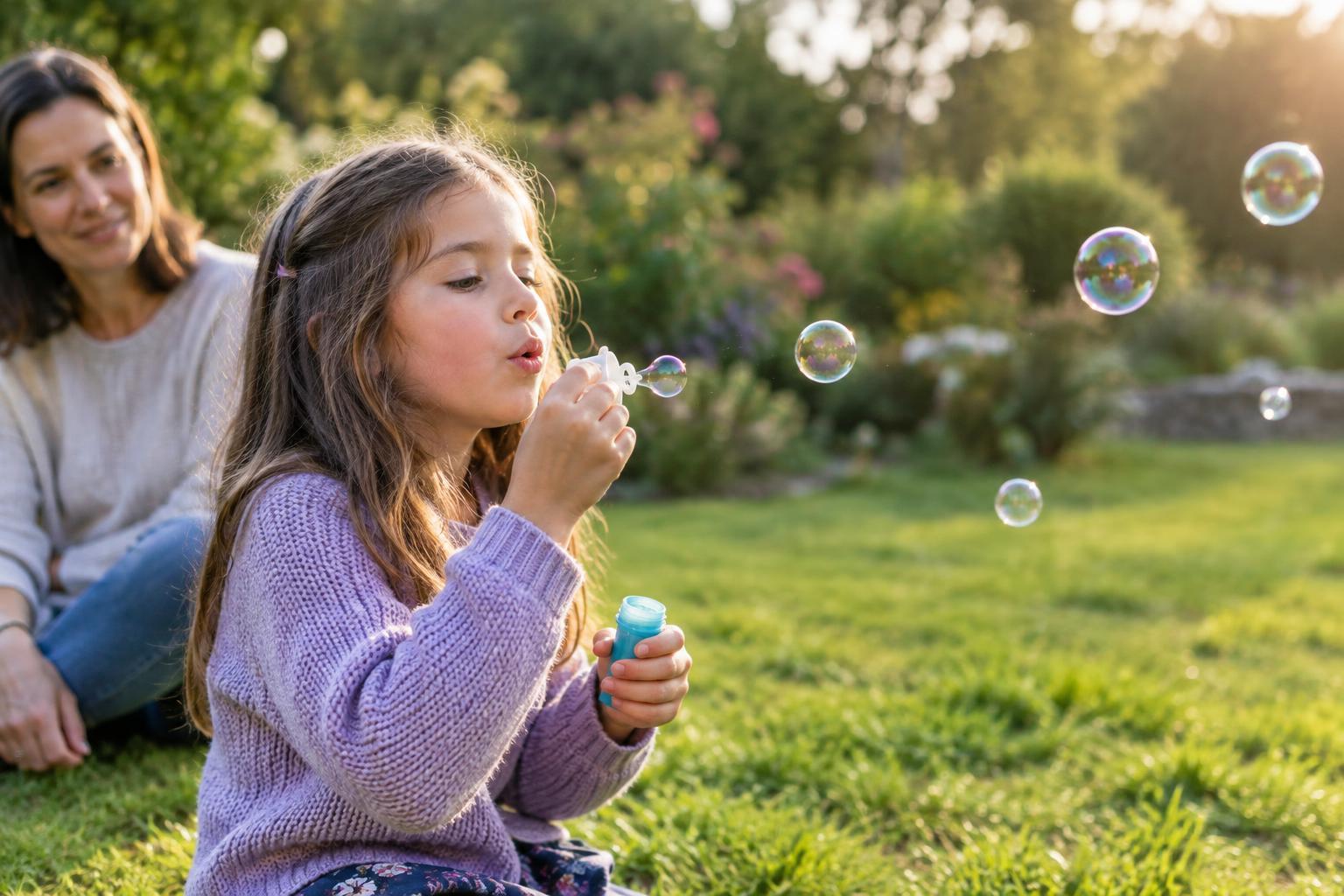
Ask subjects to bring an option without large logos, dense lettering, or very high-contrast patterns when the aim is a calm portrait. Those details can compete with the face, especially in a close crop. That does not mean all patterns are off-limits: a patterned shirt may be central to someone’s style. For group portraits, suggest coordinating the overall mood rather than matching outfits exactly. A shared range of muted, bright, or earthy colors can feel cohesive while leaving room for each person’s choices.
Look at texture, fit, and movement
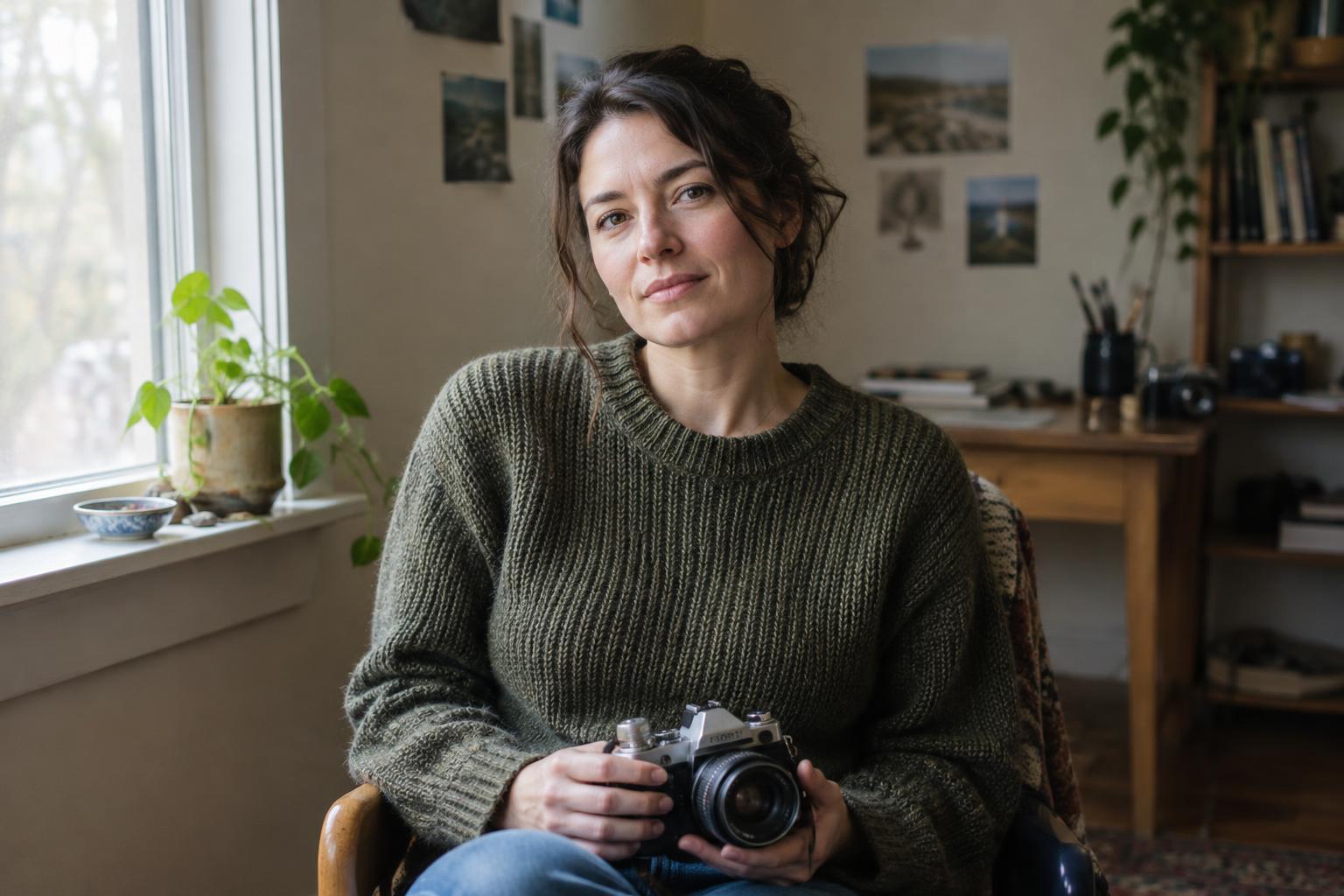
Texture can add depth without demanding attention. Knitwear, linen, denim, and other familiar fabrics may catch side light in interesting ways, while very shiny materials can produce bright reflections that change as the subject moves. If you will use a small, direct light source, ask about reflective fabrics before the session; with soft window light, they may be easier to manage. The goal is not to ban a material but to know what it might do in the planned setup.
Fit deserves a practical conversation, not a judgment about bodies. Encourage subjects to choose clothes that stay in place when they sit, turn, and raise their arms. Sleeves that need constant adjustment or shoes that make walking difficult can interrupt a session. Layers are useful when the temperature changes and can provide a second look without a complete outfit change. Before shooting, invite the subject to check whether collars, straps, and pockets sit as they intended.
Make the wardrobe conversation easy
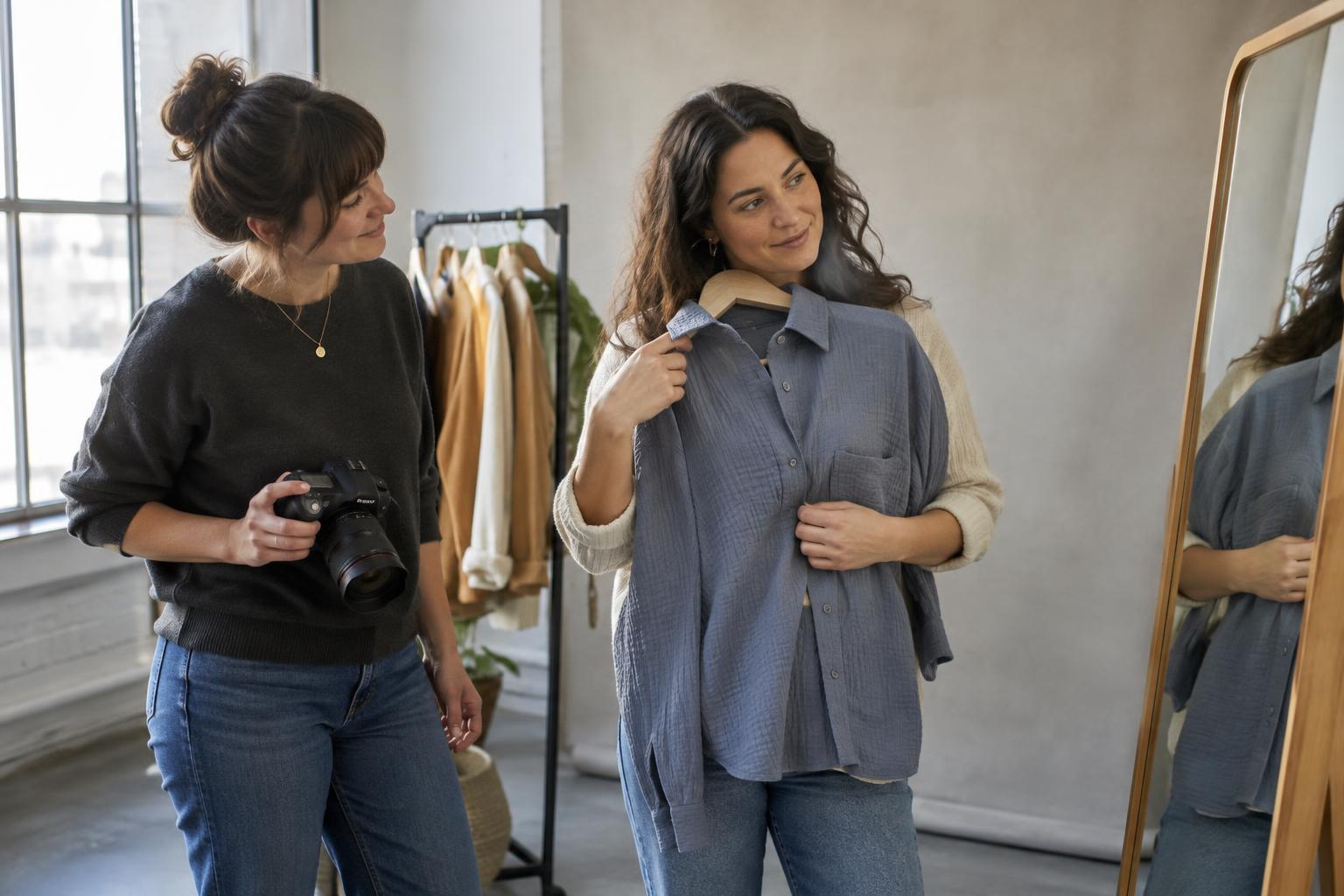
A short message before the session is usually more helpful than a long list of prohibitions. Include the location, whether the shoot is indoors or outdoors, how much walking is involved, and whether there is a private place to change. Suggest bringing clothes on hangers if wrinkles would bother the subject in the final images. If the portraits include several people, ask them to lay their outfits together at home to spot a combination that feels too visually crowded.
Give people a way to ask questions without turning the exchange into an approval process. They might send two outfit descriptions or photos if they want input, but they should not have to. For a simple preparation exercise, ask the subject to try each candidate outfit while sitting and standing near a window. They can notice which one feels comfortable and whether any detail draws more attention than they want. This is a test of their preferences, not a promise that one outfit is technically perfect.
Adapt on the day and keep the subject involved
At the session, make a quick test frame before committing to an outfit or lighting setup. Check whether the clothing separates from the background, whether bright areas pull attention from the face, and whether the subject can move naturally. Sometimes a small change in position or camera angle solves a distraction without any clothing change. If an alternative outfit is available, let the subject see the difference and choose which feels more like them.
Wardrobe guidance works best as a collaboration. Explain a suggestion in terms of the image—“this sleeve catches the light” or “that color blends into the wall”—rather than declaring that an item looks wrong. A portrait subject who feels at ease is more able to participate in the session. Clothing should support that ease while helping the photograph communicate what they came to express.