Start with softness, direction, and spill
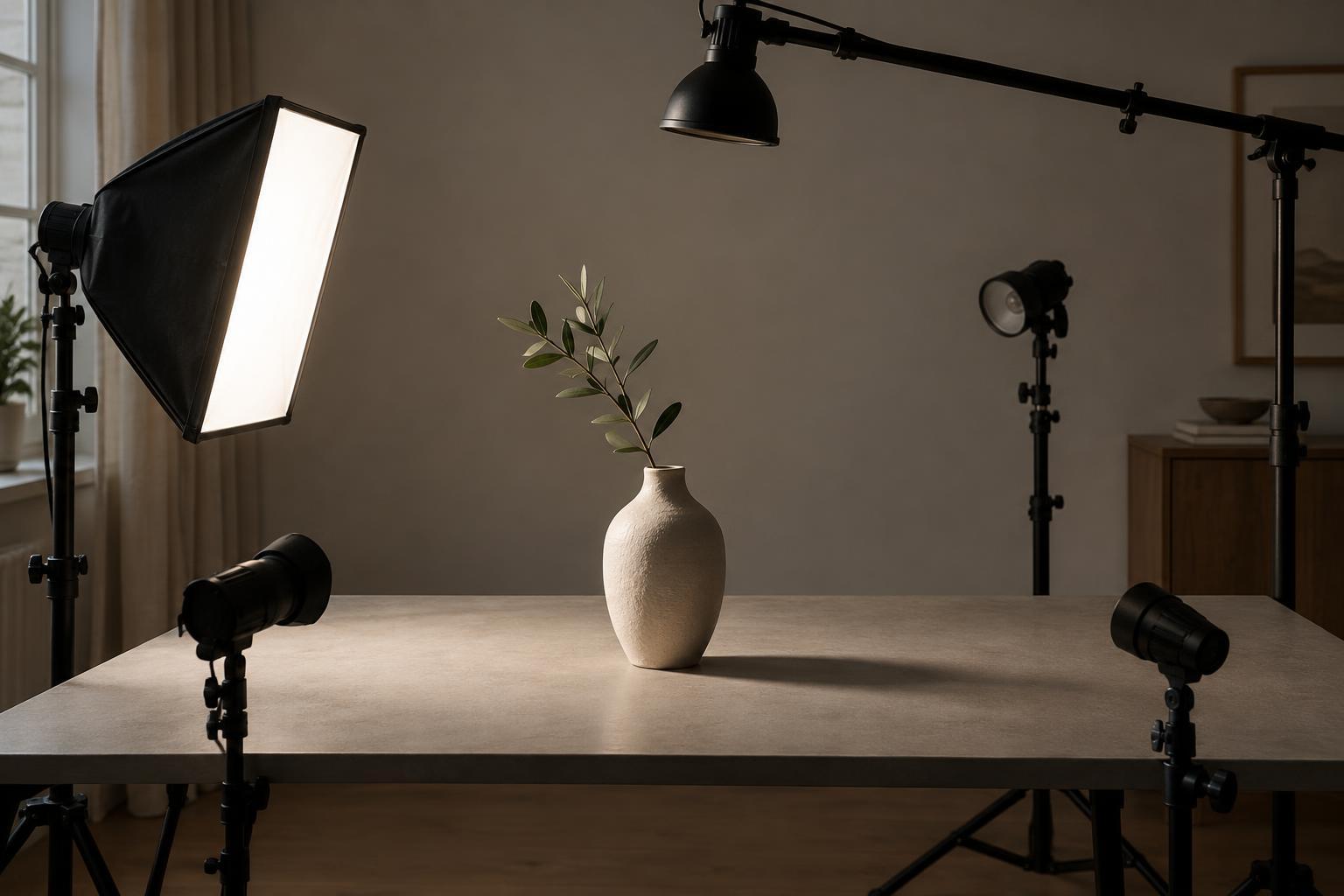
A light modifier changes what happens between a lamp or flash and your subject. Before choosing one, ask three questions: How soft should the shadows look? Where should the light point? How much light can reach the background or surrounding room? Those are related questions, but they are not interchangeable. A modifier can make light soft while allowing it to spread widely, or keep it tightly directed without making it soft.
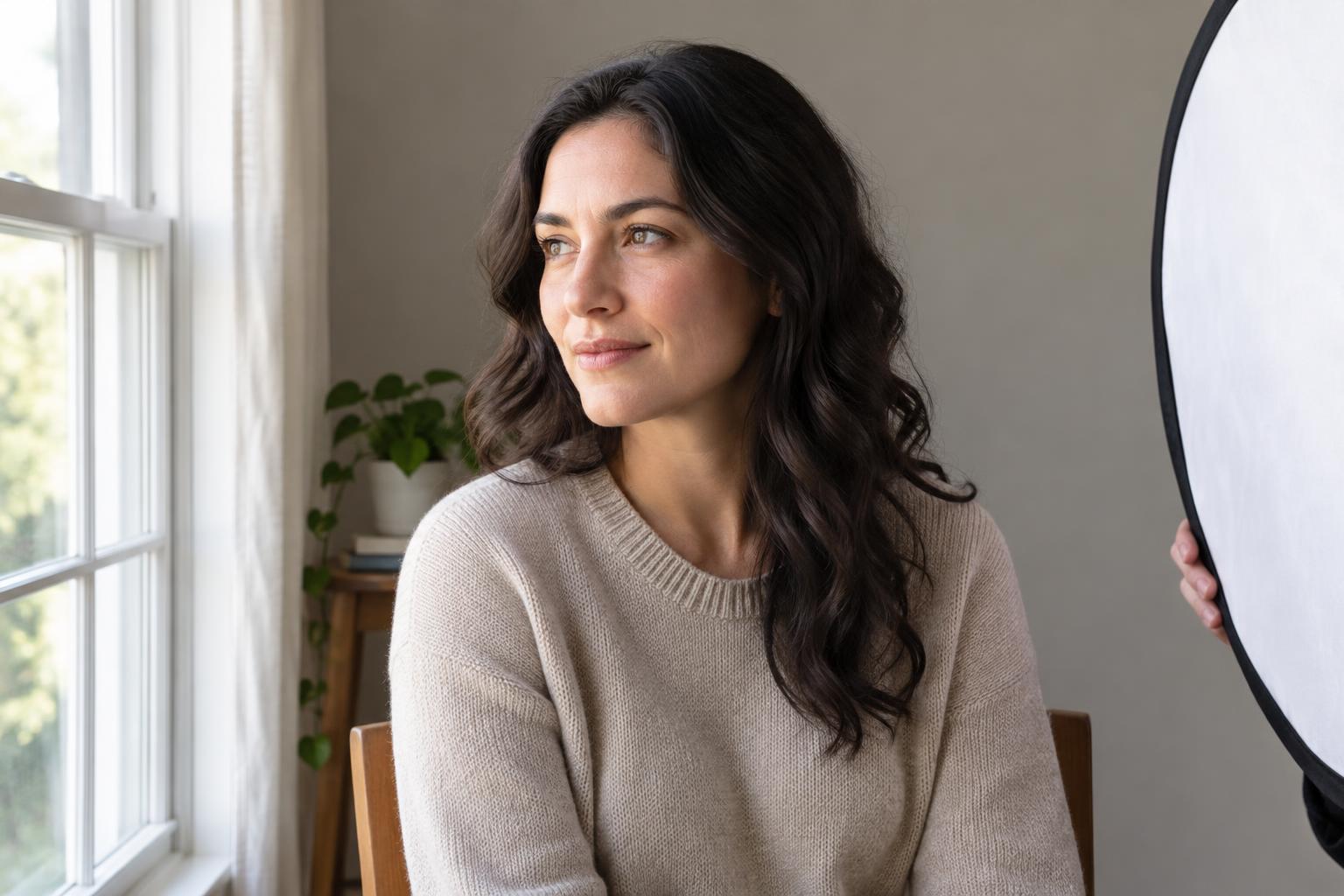
Softness depends largely on the apparent size of the light source as seen from the subject. A large modifier placed close to a face tends to produce more gradual shadow edges than the same modifier placed farther away. Direction describes where the light is aimed; spill is light that reaches areas you did not intend to illuminate. Keeping these distinctions in mind makes equipment choices less mysterious.
Umbrellas: quick, broad light
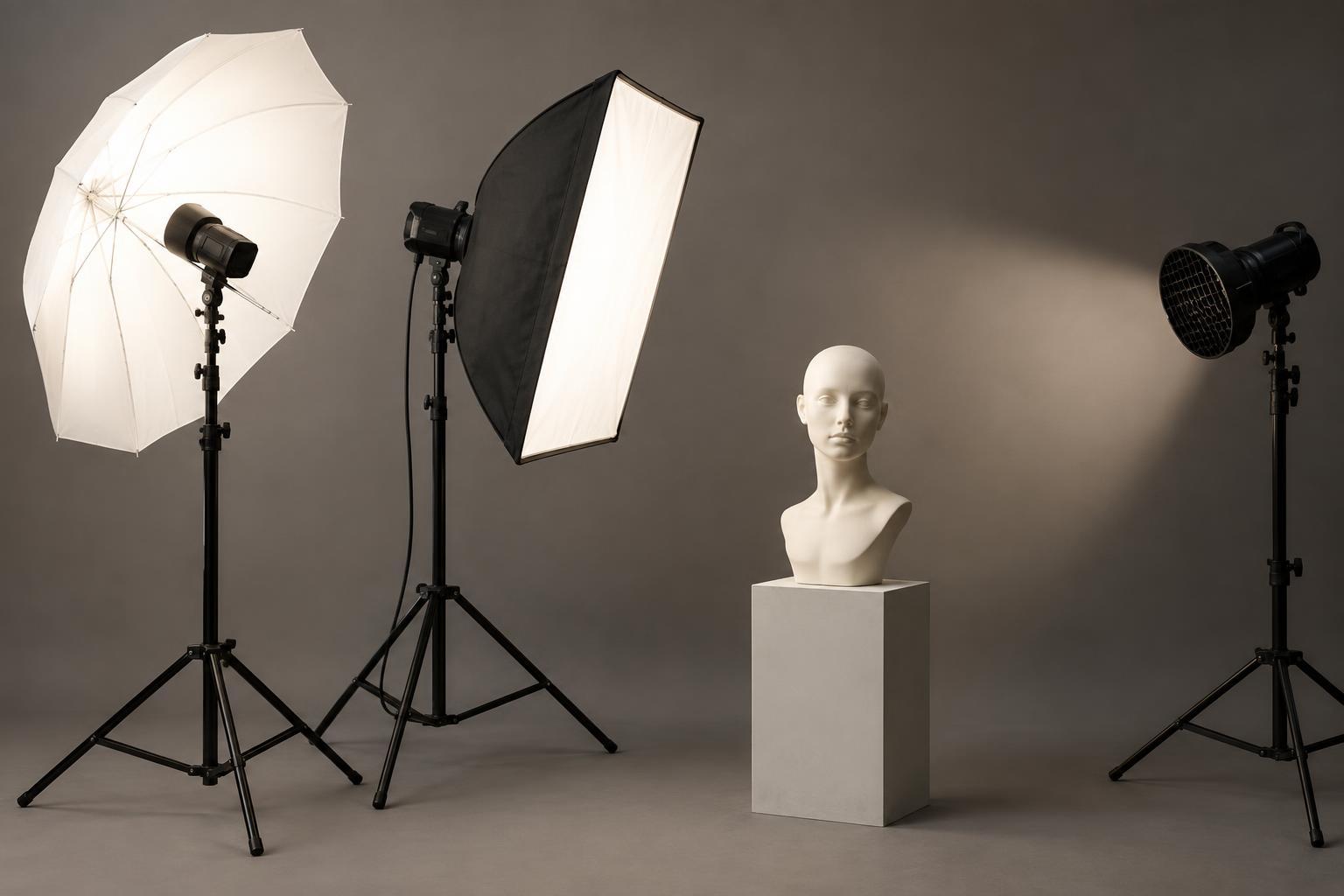
An umbrella is a convenient way to make a small light source appear larger. With a shoot-through umbrella, the flash points through translucent fabric toward the subject. This setup is quick and forgiving because the light spreads across a broad area. It can work well for a first portrait setup or a small group whose positions may shift. The trade-off is limited control: light can also reach walls, ceilings, and the background.
A reflective umbrella works differently. The flash points away from the subject and into the umbrella, which bounces light forward. Depending on its size, shape, and interior surface, the result may still be broad, but its spread and contrast can differ from a shoot-through setup. If the room’s surfaces are close, either umbrella may add unintended bounce. That can be useful for an airy look, but frustrating when you want a dark background. Umbrellas also need room to open and can be awkward in a tight space.
Softboxes: a larger source with clearer boundaries
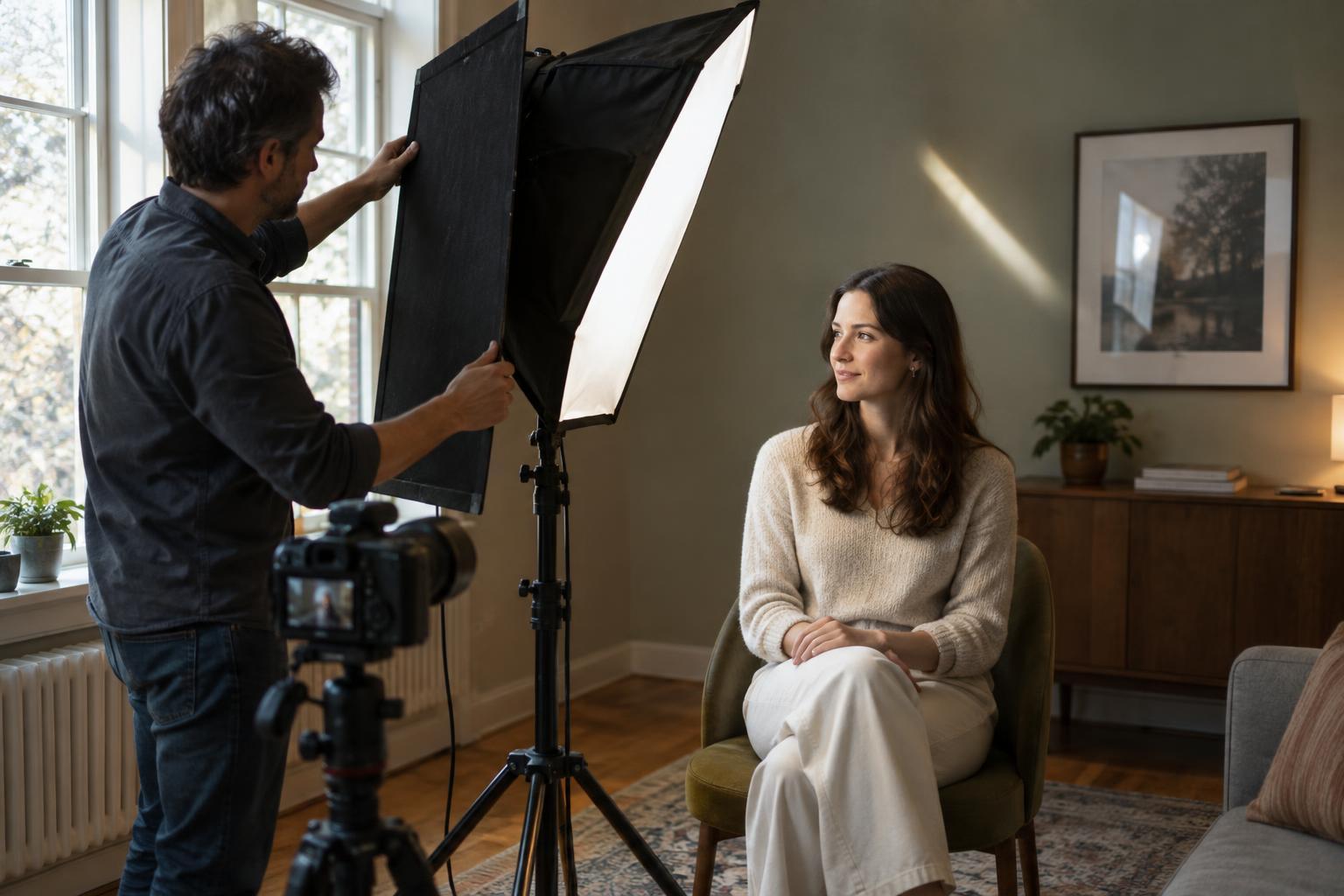
A softbox encloses the light and sends it through a front diffusion panel. Its main advantage over a basic umbrella is control: the sides help limit light escaping sideways and backward. A softbox close to your subject can produce gentle shadow transitions while giving you more say over what stays unlit. It is a practical choice when you want a bright face but do not want every nearby wall to brighten with it.
Shape affects how easy a softbox is to position. A rectangular box can give you an edge that is useful for lighting a standing subject while keeping light off part of the background. A strip box offers a narrower lit area that can suit an edge light or a confined space. Size still matters more than the label on the box: a small softbox far away may create harder-looking shadows than a large one nearby. Softboxes may take longer to set up than umbrellas, so consider whether that extra control serves the photograph you are making.
Grids: restrict the spread, not the softness
A grid is a pattern of cells fitted over a light or modifier. It narrows the angles at which light can leave, helping you aim illumination at one area while reducing spill elsewhere. You might use a grid on a softbox to light a face without brightening a nearby backdrop, or on a small reflector to pick out a detail in the scene. It is especially helpful when a dark background or a distinct pool of light is part of the composition.
A grid does not automatically make light softer. Put one on a small bare light and the shadows may remain crisp; put one on a large softbox and the light can remain soft within a more restricted area. Grids also make placement less forgiving. If your subject moves outside the beam, the exposure on their face may change noticeably. Check the edges of the lit area before asking someone to hold a pose, and leave enough room for natural movement.
Choose by the problem, then test
For a flexible setup in a roomy location, begin with an umbrella. If you need soft light but also need to keep it away from part of the scene, try a softbox. Add a grid when the light is still spreading farther than you want. These are starting points, not rules: moving a modifier, changing its size, or turning the subject may make a bigger difference than swapping equipment. A plain wall can also bounce stray light back into the scene, so judge the result in the actual room.
To see the differences, photograph the same person or object against a wall using one light at a time. Keep the camera settings, subject position, and approximate light position consistent. Try a shoot-through umbrella, a softbox, and then the softbox with a grid. Compare the shadow edge on the subject, the brightness of the wall, and how far the subject can move before the lighting changes. Finally, bring each modifier closer and farther away. That small exercise will tell you more about your working space than a modifier’s name alone.