Two ways to set one burst of light
A flash has to decide how much light to emit for each photograph. In TTL mode, short for through-the-lens metering, the camera and compatible flash make that decision automatically. In manual flash mode, you set the flash power yourself, often as a fraction such as 1/1, 1/4, or 1/16. Neither mode changes the basic job of the flash: adding light to the scene. They differ in how the output is chosen.
Think of TTL as a starting point that can respond to changing conditions. Think of manual flash as a fixed setting that stays put until you change it. Both can produce well-lit photographs, and both can produce poor ones if the light is pointed badly or the camera settings do not suit the scene.
How TTL chooses flash power
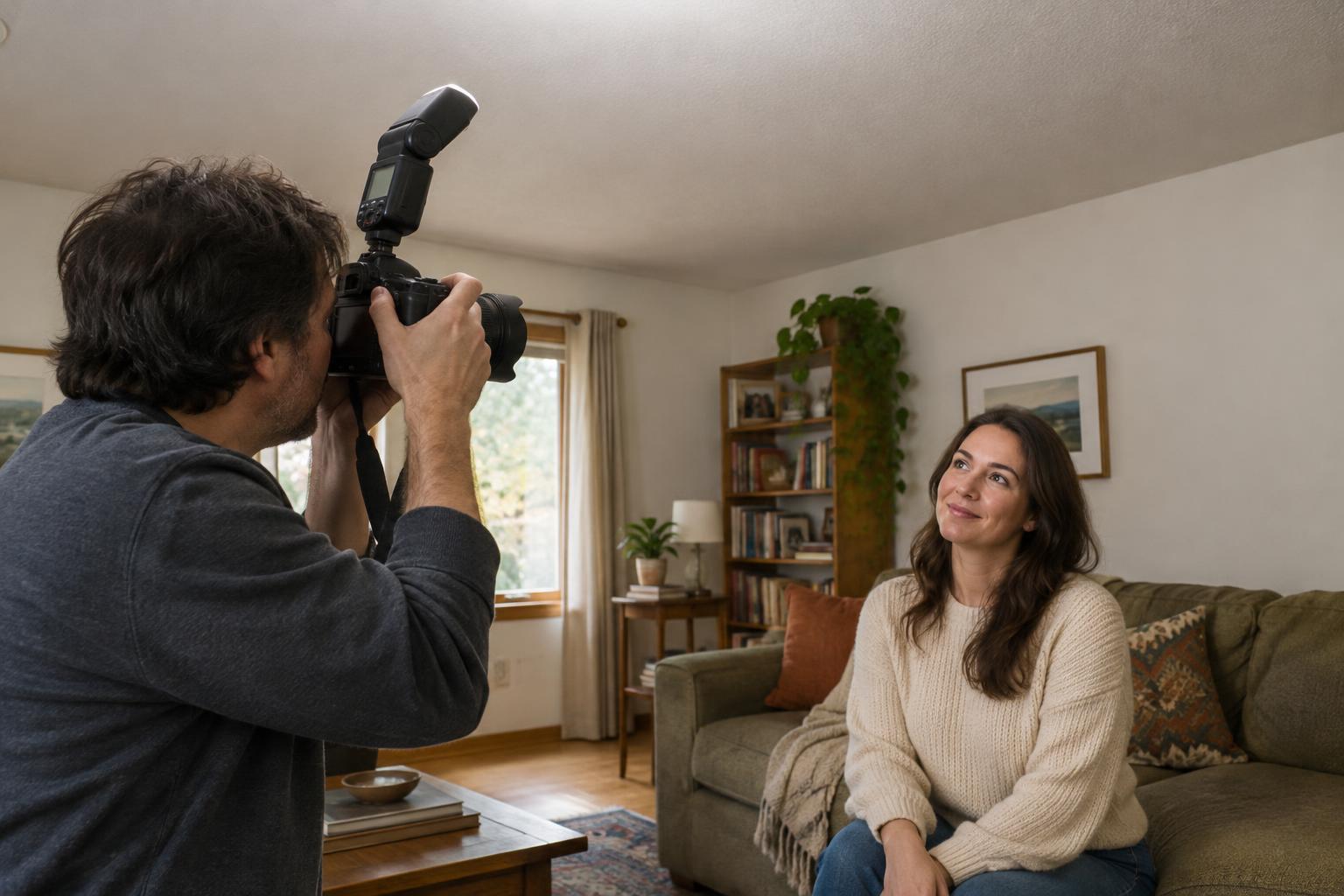
In a typical TTL exposure, the flash emits a brief preflash just before the photograph is taken. The camera meters the light returning through the lens and asks the flash for an output intended to meet its exposure target. That output can change from frame to frame, even when you have not touched a control. Exact metering behavior varies among camera and flash systems.
This adaptability helps when you are moving between subjects at different distances, as you might at a gathering, or when you alternate between a close portrait and a wider view. It also means the camera’s interpretation matters. A bright wall, dark clothing, reflective surface, or a change in framing may affect the reading and therefore the flash output. If the subject looks consistently too bright or too dark, flash exposure compensation lets you ask the TTL system for less or more flash light without switching to manual power.
TTL does not guarantee a consistent look across a sequence. Review the photographs, especially after changing your angle or composition. If a pale background occupies much more of the frame in one shot than the next, compare the subject’s brightness rather than assuming the automatic setting stayed visually consistent.
How manual flash holds a setting
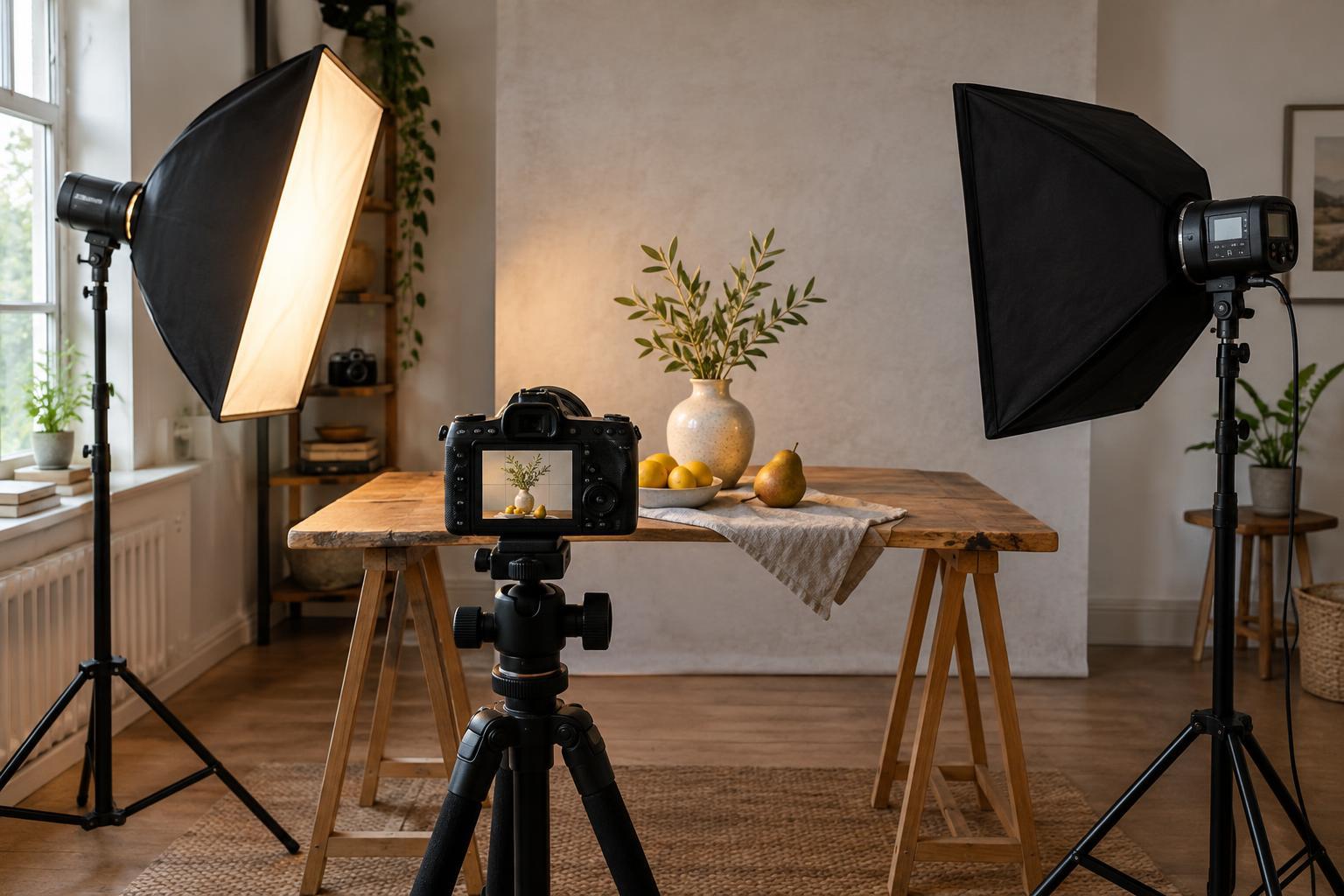
Manual flash bypasses the automatic flash-output decision. Choose a power level, take a test photograph, and adjust until the flash-lit area looks the way you want. Lowering the setting from 1/4 to 1/8, for example, reduces the light emitted by roughly one stop on flashes that use conventional fractional power markings. Check the result rather than treating the number as a promise of a particular subject brightness.
Once set, manual power is useful when the flash, subject, and camera remain in similar positions. A portrait at a fixed mark or a tabletop photograph can then receive similar flash output from frame to frame. If the subject moves closer to the light, however, they will generally become brighter; moving farther away generally makes them darker. A fixed power setting is not a fixed exposure at every distance.
Manual mode can feel slower at first because you must make those adjustments yourself. It becomes easier when you change one thing at a time: set your camera exposure, place the flash, choose a moderate power level, and use a test frame to judge what needs changing. For off-camera flash, also check whether your trigger and flash support the mode you intend to use.
Controls that affect both modes
TTL and manual describe how flash output is set, not how all the light in the photograph is controlled. Aperture and ISO affect the recorded brightness of both flash-lit areas and ambient light. Flash power or TTL flash exposure compensation chiefly changes the contribution from the flash. Moving the flash or changing a modifier alters the direction, softness, and amount of light reaching the subject.
At ordinary flash-sync speeds, shutter speed is often a convenient way to make the ambient-lit background brighter or darker without greatly changing the recorded flash exposure. This is most useful when the brief flash burst, rather than continuous light, provides the main illumination on the subject. Stay within your camera’s normal flash-sync limit unless your equipment is set up for a supported high-speed sync mode; that mode behaves differently and can reduce the effective reach of the flash.
For a portrait near a window, try setting the background brightness with your camera exposure first. Then use TTL compensation or manual flash power to bring the person to the brightness you want. If the light looks harsh, changing its position or diffusion may help more than changing its output.
Choose a mode, then run a simple exercise
Choose TTL when working distances and compositions change quickly and you would rather correct an automatic starting point than reset power for every frame. Choose manual when the arrangement is stable or you want repeated frames to receive the same flash output. You can also switch during a session: use TTL while exploring a location, then use manual once the subject and light are settled.
To see the difference, place a person or an object in one spot and keep the flash position fixed. Take several frames in TTL while changing how much bright or dark background appears in the composition. Look for changes in the flash-lit subject. Repeat in manual flash mode at one power setting. Next, move the subject closer to and farther from the flash in both modes. Compare the frames to learn when automatic adjustment helps and when a fixed output gives you the consistency you need.