Start by observing, not shooting
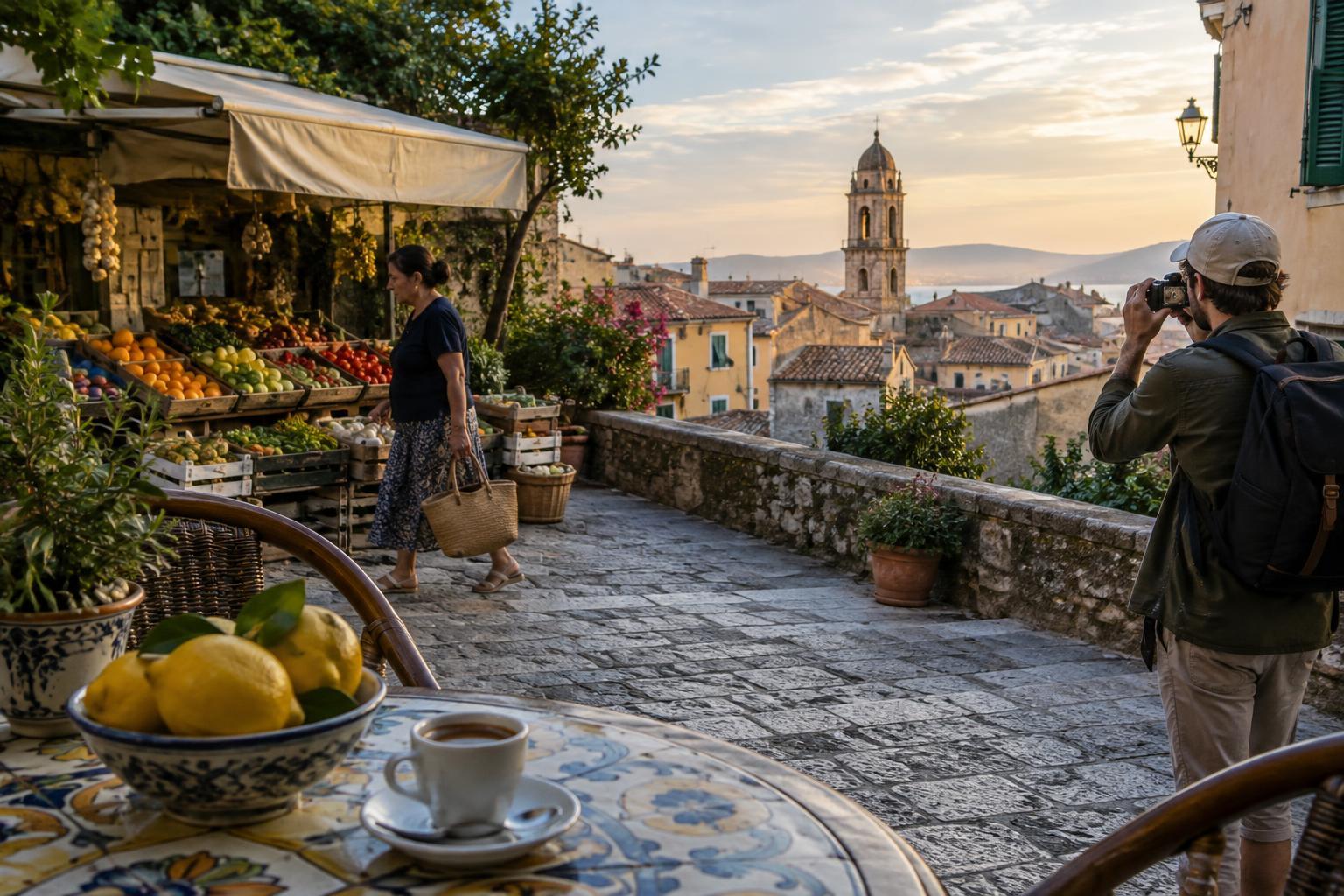
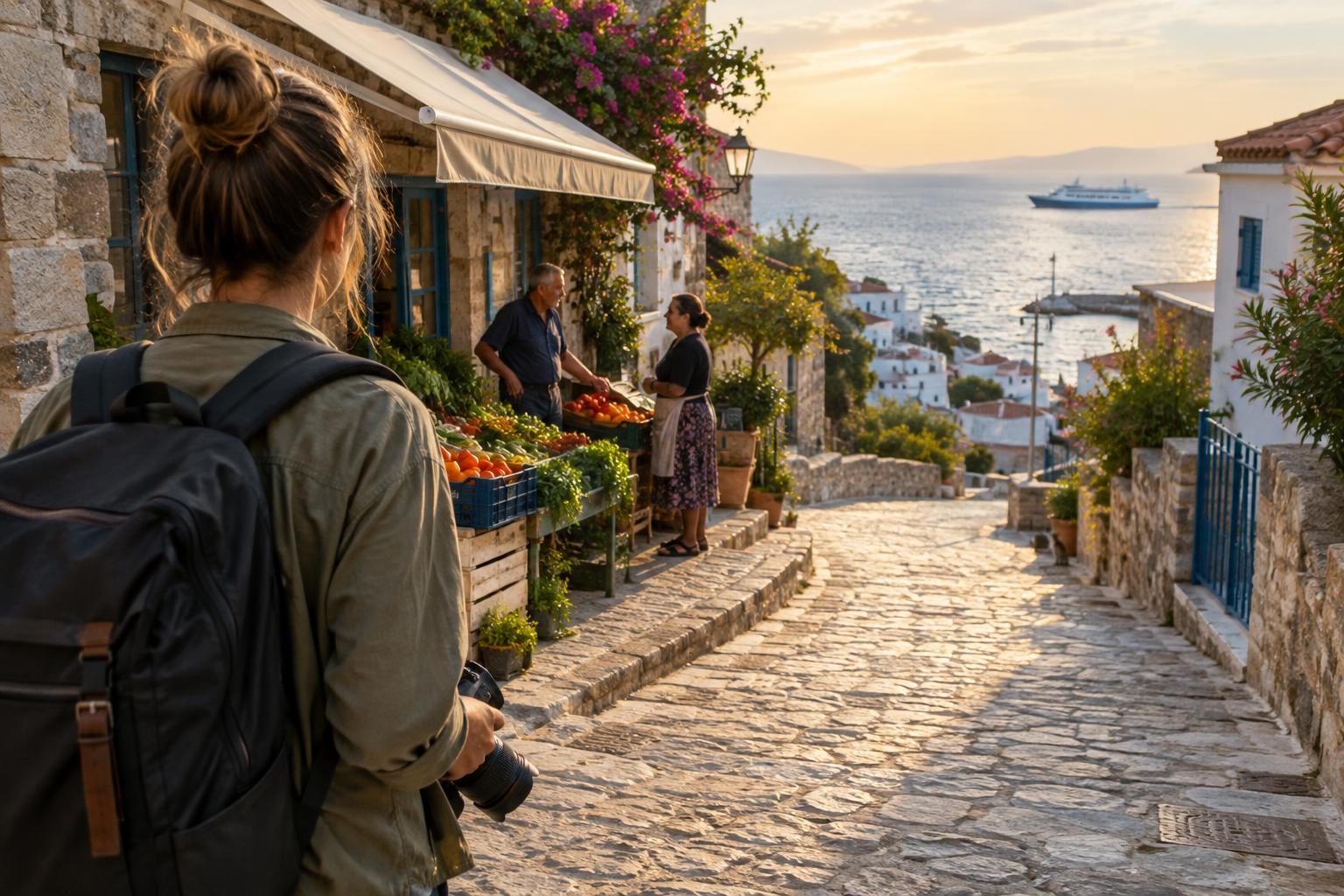
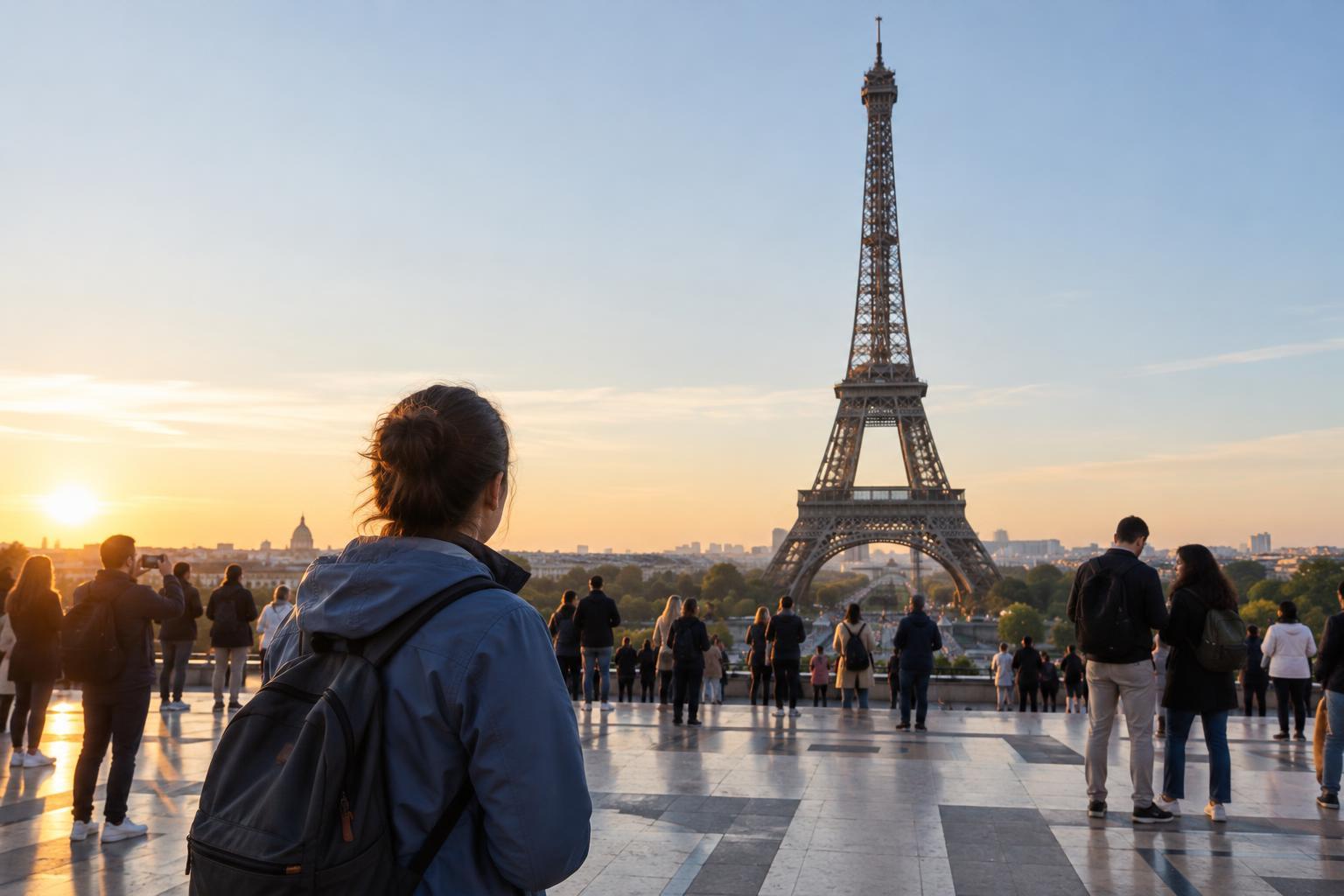
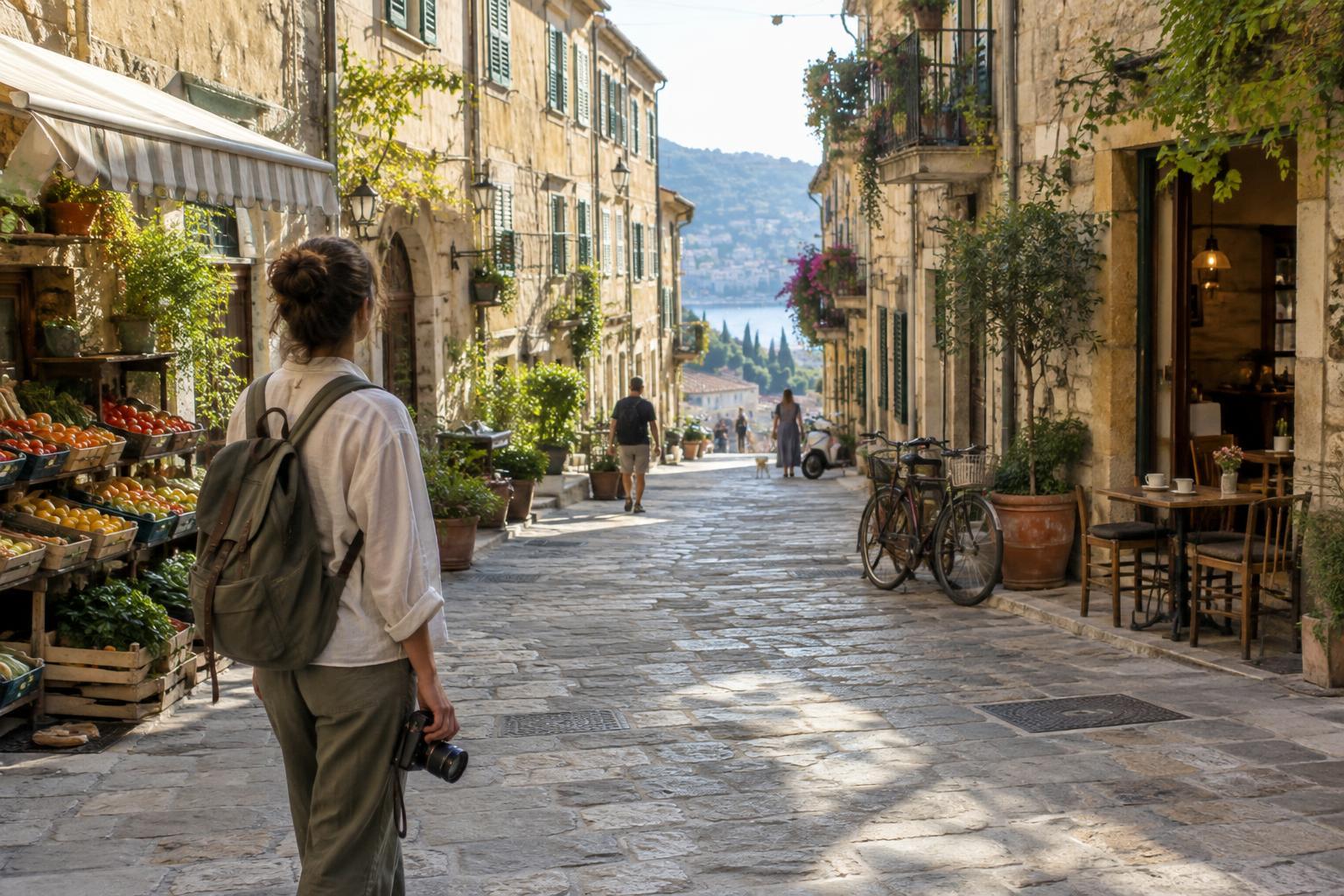
An ordinary street offers more than a collection of strangers to photograph. Signs, storefronts, shadows, bicycles, and the movement of people through a square can all tell a story about a place. Before raising your camera, spend a few minutes watching how the space is used. Where do people gather? Which paths stay busy? Is the mood lively, quiet, or private? Those observations can guide both your composition and your behavior.
Customs vary between places and even between neighboring streets. A market vendor may welcome photographs of a stall, while someone in a nearby place of worship may expect visitors to keep cameras away. Look for posted guidance, pay attention to how residents respond to cameras, and ask when you are unsure. Permission to enter a place does not necessarily mean every activity there is welcome to photograph.
Build a scene without making someone the subject
If you want to capture daily life without interrupting it, begin with a wider view. Choose a doorway, crossing, or patch of interesting light and compose around that setting. Wait for movement to give the frame scale and rhythm, rather than following one person with your lens. A passerby seen from a distance may complete the composition without becoming its focus.
Pay attention to what the frame implies. A tight crop can make a fleeting expression seem to define a person, while a wider view may explain what was happening around them. Check the edges for details that change the story or expose something someone might reasonably want kept private. When photographing near homes, schools, medical facilities, or moments of distress, a strong image is rarely worth making someone feel watched.
Try a simple exercise: choose one street corner and make three photographs that show its character without centering an identifiable face. Use a wide view for the setting, a medium view for an interaction with the environment, and a close view of an object or texture. Comparing the results can reveal how much atmosphere you can convey without relying on an uninvited portrait.
Ask clearly when a person is the picture
When someone’s face, work, or personal moment is the reason you want to take a photograph, asking is often the most considerate approach. Make your request brief and give them room to decline. A gesture toward your camera and a friendly question may help when you do not share a language, but do not treat uncertainty as agreement. If the answer is no, lower the camera and move on without pressing for an explanation.
Permission works best as an ongoing exchange, not a box to tick. Show the image if the person seems interested. If they become uncomfortable, stop shooting. Be especially careful when photographing children; seek permission from a parent or guardian rather than assuming a smile is consent. Before sharing a close portrait publicly, consider whether its caption and context represent the person fairly.
Use gear that lets you stay attentive
A small, familiar setup can make street photography easier because you spend less time adjusting equipment and more time noticing what is happening. A phone, compact camera, or camera with one versatile lens can all work. The useful choice is the one you can operate comfortably without blocking walkways or repeatedly drawing people’s attention to a large kit.
Set up the camera before a moment unfolds. In changing daylight, an automatic exposure mode can free you to concentrate on framing; check a few images as you go to make sure bright signs or deep shade are not overwhelming the details you care about. If motion is central to the scene, use a shutter speed fast enough for the effect you want, or deliberately allow blur to suggest movement. Avoid flash where it would startle people or disrupt a quiet space.
Edit for context and know when to stop
Afterward, review more than sharpness and color. Ask what a viewer might believe about the people and place from each frame. A technically successful photograph may still feel intrusive, or a dramatic crop may strip away the context that made the moment understandable. Keep edits consistent with what you witnessed, and write captions that describe what you know rather than guessing at someone’s identity, feelings, or circumstances.
Respectful street photography leaves room for photographs you never take. If a person objects, a setting feels sensitive, or you are unsure whether your presence is changing the moment, put the camera down. You can still remember the scene, make a note about its light or color, and look for another way to express what caught your attention.