Talk about the trip before the camera comes out
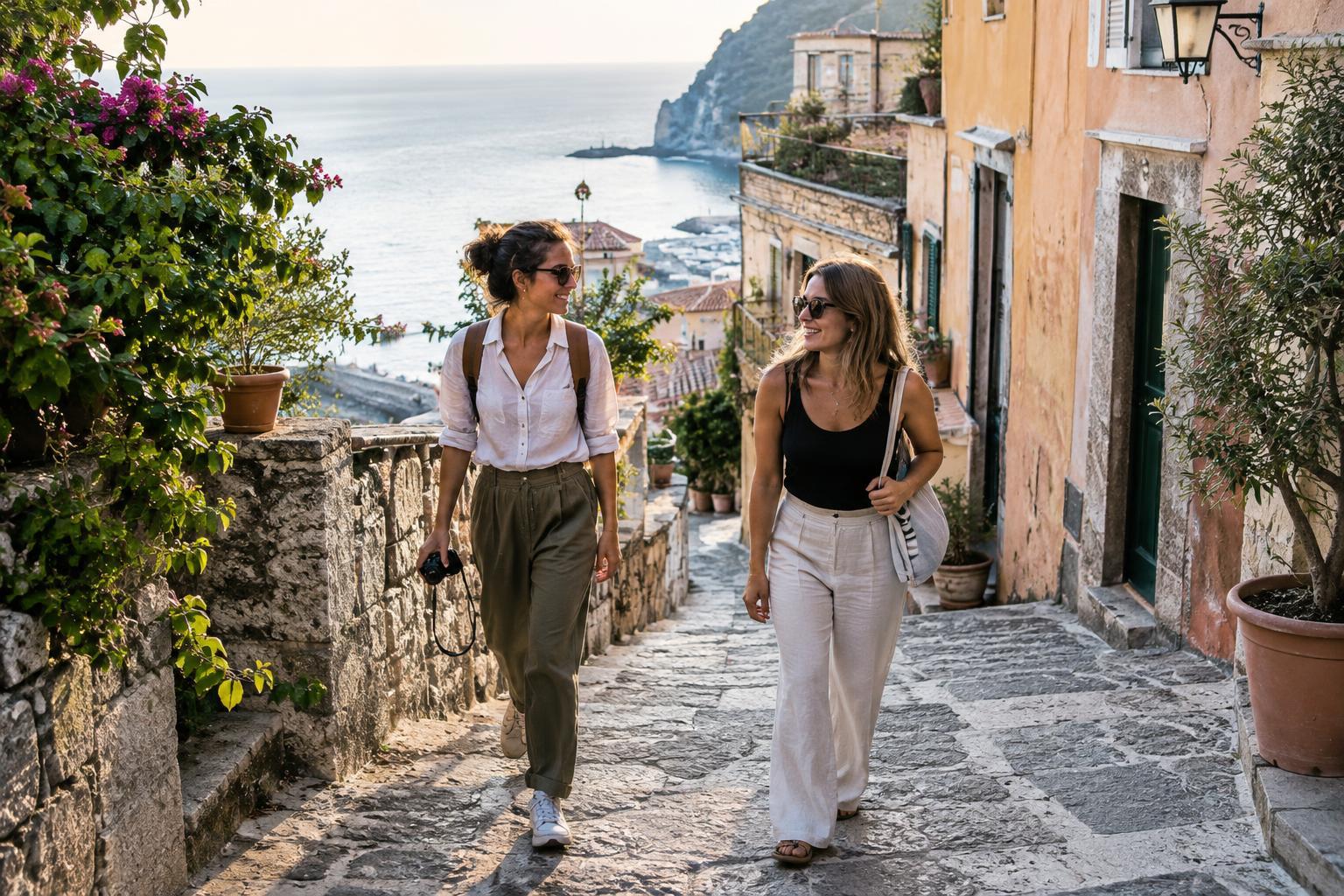
A companion may be happy to visit a viewpoint but less happy to stand there while you try six compositions. Neither preference is unreasonable. The useful step is to discuss expectations before a day begins: what does everyone want to see, how much time feels comfortable at each stop, and which moments matter more as shared experiences than as photographs?
Choose one or two places where you would especially like time to photograph. Be specific about what that means. “I’d like twenty minutes to photograph the market entrance before we go in” gives your companions something they can plan around. It also helps you decide whether the picture is worth changing the day’s pace. If plans shift, treat the photo window as an option, not a promise everyone else must keep.
Give photography a place in the schedule
Instead of stopping repeatedly whenever something catches your eye, try a few defined photo windows. You might take pictures while a companion browses a shop, spend a short period photographing a street before meeting for lunch, or make an early walk on your own if that suits the group. A clear meeting place and time can give you room to concentrate without leaving anyone wondering when you will return.
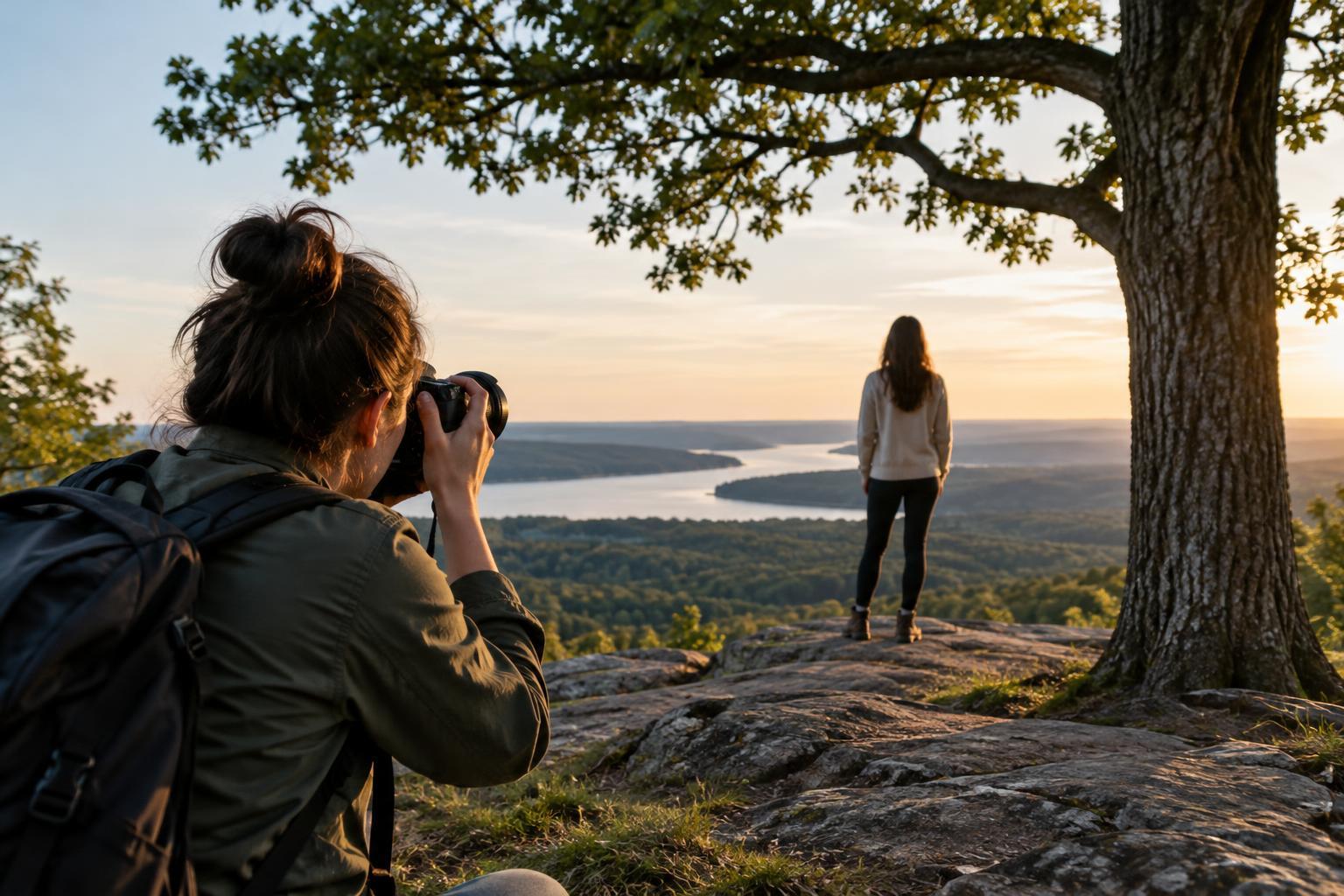
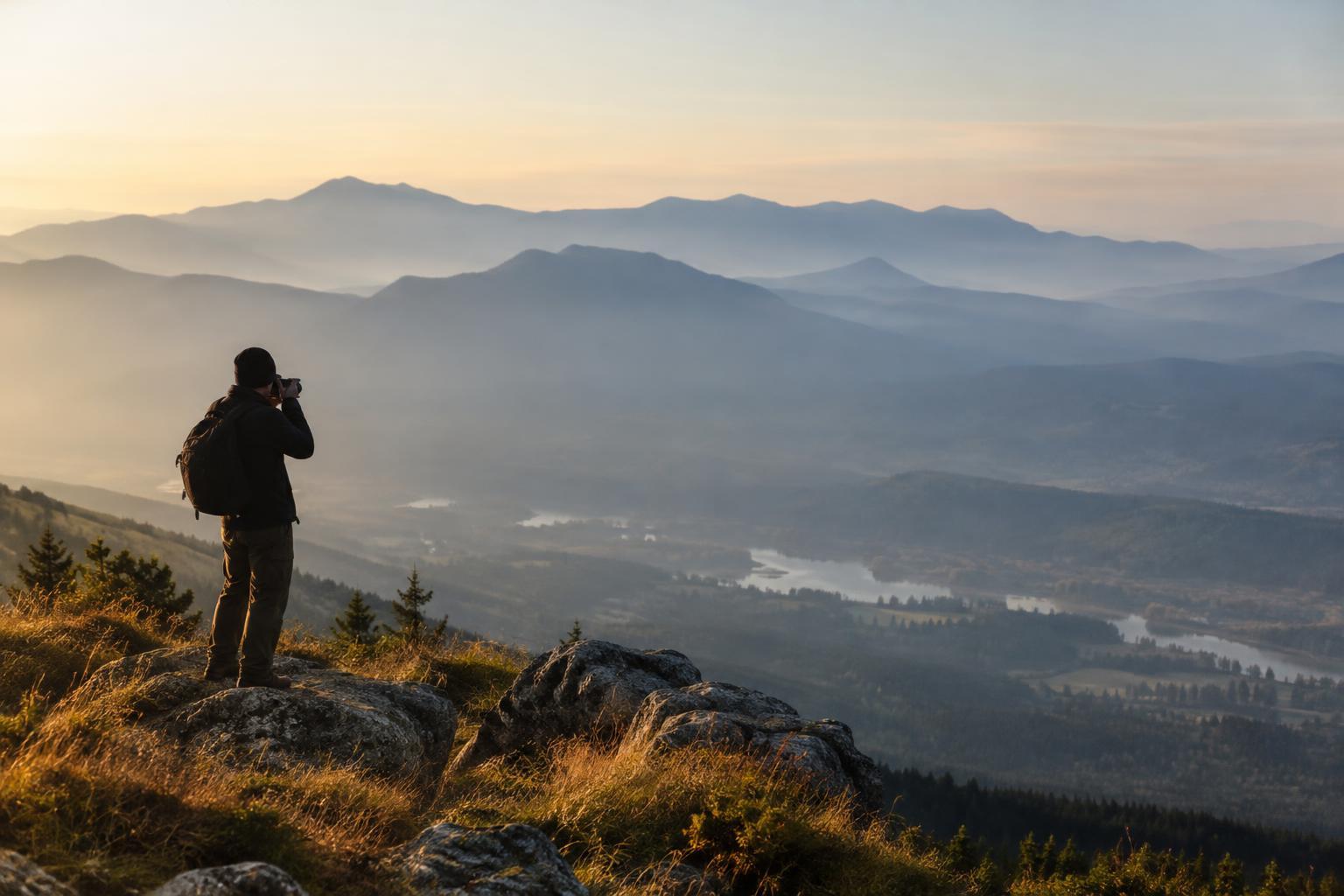
Shared stops work best when they remain shared. At a scenic overlook, take a moment to enjoy the view together before lifting the camera. Then set yourself a modest limit: find a foreground, make a wider frame and try one detail. When the time is up, move on. You do not need every possible angle to remember a place well.
Some activities leave little room for deliberate photography. A conversation over dinner or a walk through a crowded station may be more rewarding if you make one quick frame—or none. Deciding that in advance reduces the temptation to negotiate with yourself every few steps.
Choose a camera setup that matches your pace
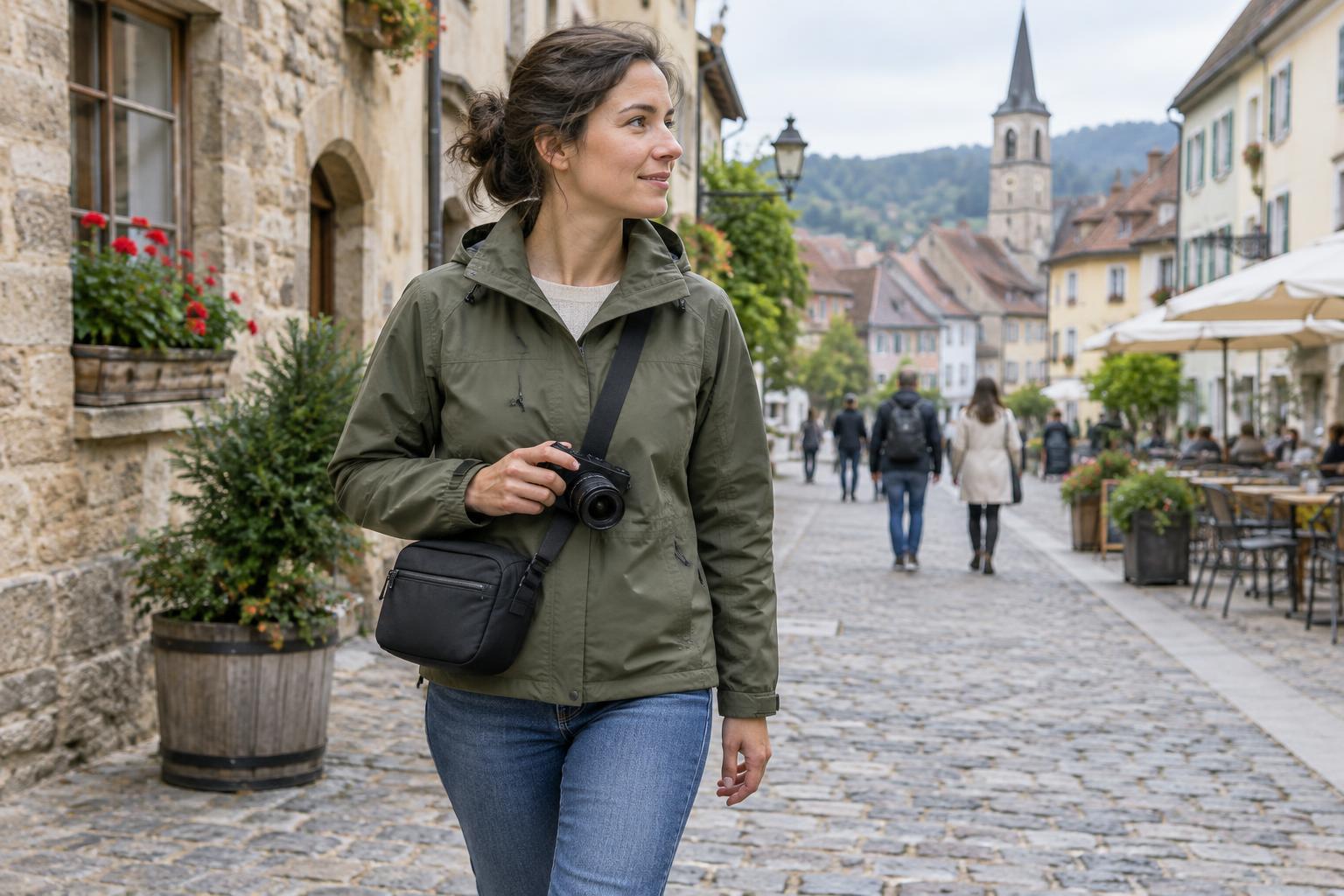
Equipment affects how often a brief stop becomes a long one. If you expect a full day on foot with others, consider carrying a single camera and versatile lens, or using the camera you already keep close at hand. The right choice is the one you can access and put away easily while staying comfortable. A smaller setup will not solve every photographic challenge, but it can make spontaneous pictures less disruptive.
Make a few decisions before leaving your lodging. Charge your battery, clear space on your memory card or phone, and choose a simple starting setup for the conditions you expect. When you see a photograph, look first for the subject and the edges of the frame rather than changing equipment. If a scene needs more time or a different lens, you can decide whether it belongs in a dedicated photo window instead.
Let companions participate on their own terms
The people you travel with can give your pictures a sense of scale and connection, but they are not obliged to be subjects. Ask before making posed portraits, and respect a refusal or a request not to share an image. If someone does want a photograph, keep the process easy: find comfortable light, check the background, take a few frames and let them see the result.
You can also make pictures together without directing anyone. Invite a companion to point out a detail they noticed, or take turns choosing a scene for a quick photograph. Their interests may lead you beyond the views you would have sought alone. If they would rather leave the camera out of an activity, that is useful information too. Protecting the mood of the trip matters more than completing a shot list.
Practice noticing without stopping
A simple exercise can make you more selective. On one shared walk, allow yourself only five photo stops. At each stop, pause long enough to decide what drew your attention: a shape, a gesture, a patch of light or a relationship between objects. Make a few intentional frames, then continue. You can still observe scenes between stops, but you do not have to photograph every one.
Later, review the images and ask which stops were worth the time. Notice whether the photographs you value came from careful planning, quick observation or an unexpected moment with your companions. Use that answer to adjust the next day’s plans. The goal is not to take fewer pictures for its own sake; it is to give both the photographs and the people beside you the attention they deserve.