Start by noticing what the light is doing
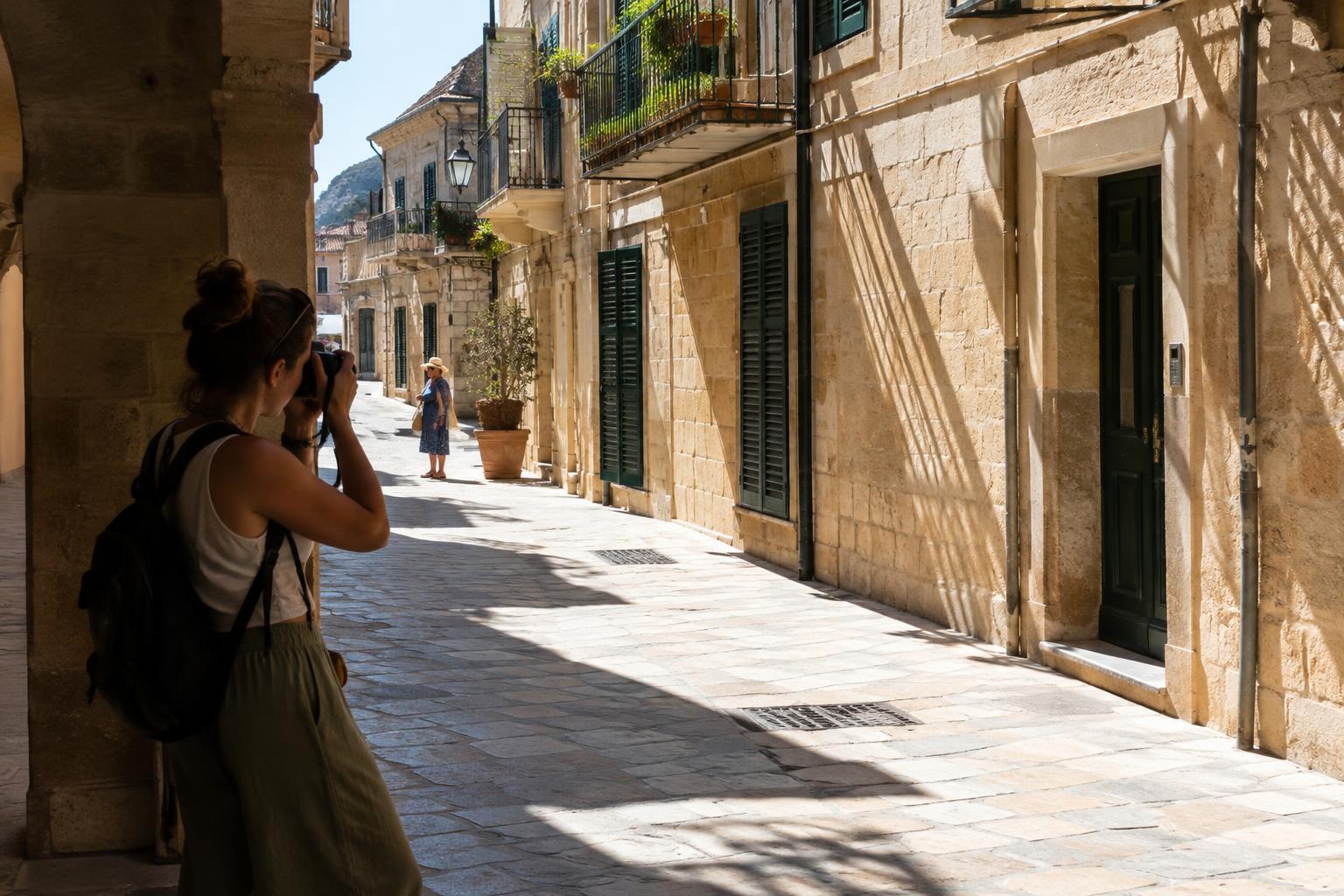
Travel plans rarely revolve around ideal photographic light. You may reach a market, viewpoint, or neighborhood in the middle of the day, when the sun is high and shadows have hard edges. Instead of treating that light as a problem to fix, pause and look at its direction. Are people squinting? Are bright walls much lighter than shaded doorways? Are awnings casting shapes across the pavement? Those observations will tell you what kind of picture the light can support.
Midday sun often makes a scene look different from the gentle light you might have imagined. It can flatten a distant view or leave a face with deep shadows beneath the eyes. But it can also reveal bold colors, crisp lines, and strong patterns. The useful question is not whether the light is good. It is whether your subject benefits from it.
Choose subjects that suit strong contrast
Look for subjects with clear shapes: a staircase against a pale wall, umbrellas seen from above, painted doors, or the repeated shadows of a railing. Move a few steps left or right to see whether the shapes become simpler. A small change in position can separate a person from a cluttered background or turn several competing shadows into one deliberate pattern. If the frame feels busy, try including less of the scene.
Bright light also makes small details worth exploring. A tiled entrance, a stack of produce, or the colors of boats at a dock may tell you something about a place without requiring a sweeping view. Photograph the wider setting too, if it helps explain where the detail belongs. Together, the two frames can give you more to work with later than either one alone.
Find gentler light for people
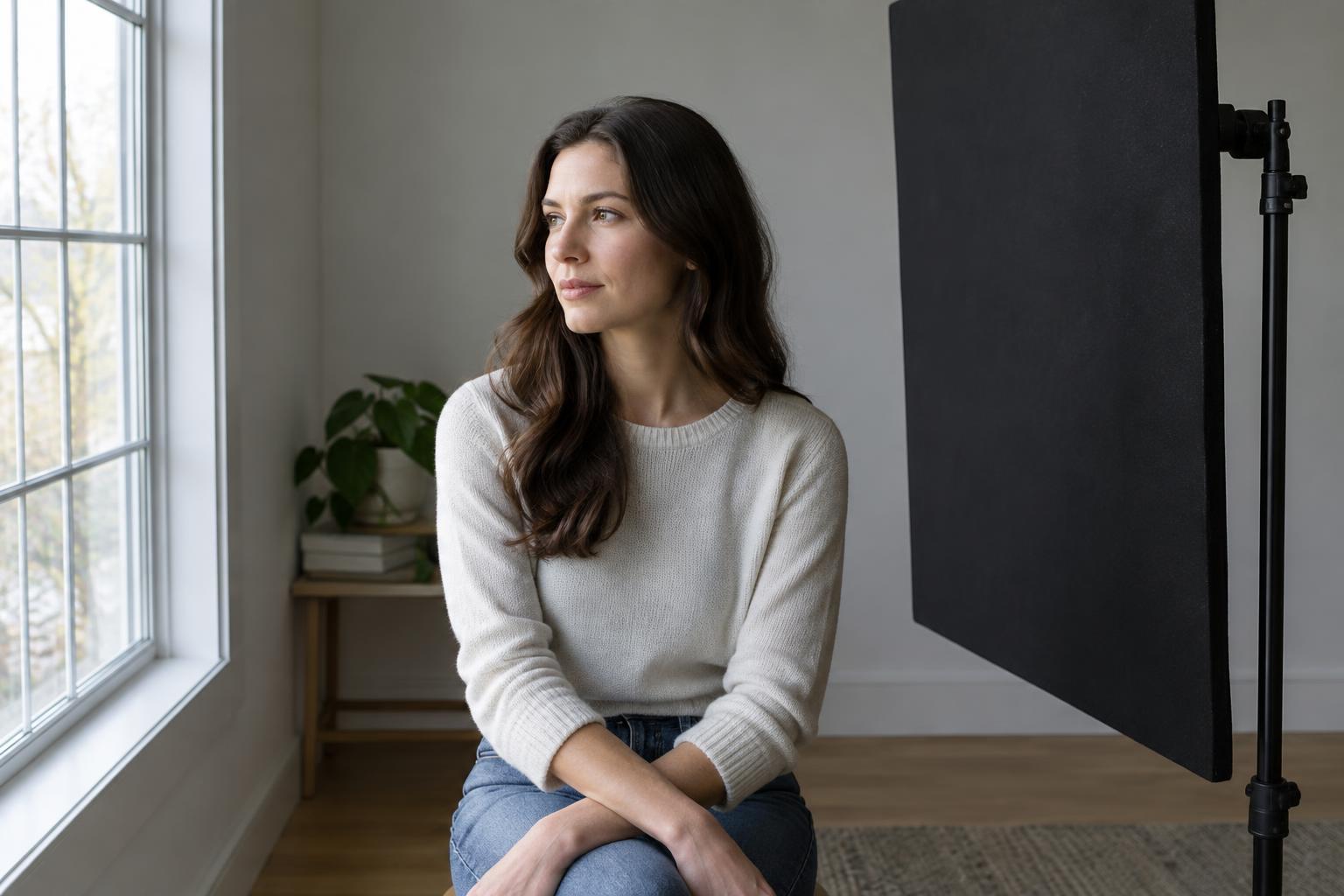
For a portrait, an open doorway, an awning, or the shaded side of a building can be more comfortable than direct sun. Place your subject in the shade and look for a clear view of the open sky in front of them. That light is often more even across a face. Check the background before shooting: a sunlit wall behind someone in shade may draw attention away from them, while a darker or simpler background can help the portrait feel settled.
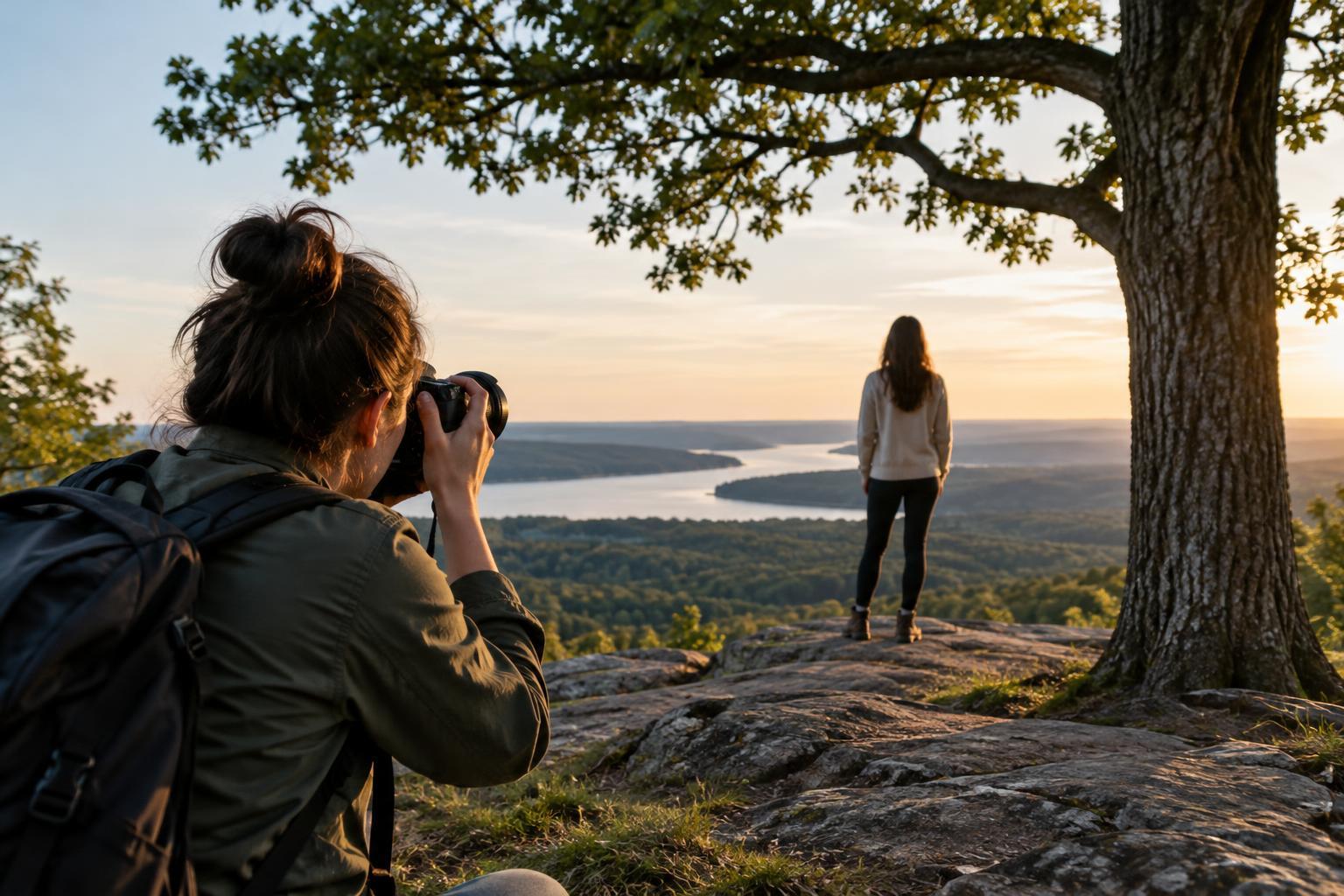
If you cannot move into shade, change the angle rather than asking someone to stare toward the sun. Try placing the sun to one side or behind the subject, then watch for unwanted glare and check whether the face remains visible. A companion can briefly hold a light-colored bag or jacket nearby to bounce some light toward the face, but there is no need to turn a quick travel portrait into a complicated setup.
Expose for the part of the picture that matters
Strong sunlight can put bright surfaces and deep shade in the same frame. Before taking several pictures, make one test frame and review it. If a pale wall has lost all visible detail, reduce the exposure a little. If the person in a doorway is the subject and appears too dark, brighten the exposure or change your position so the background is less bright. You may not be able to preserve every highlight and shadow; deciding what matters is part of making the photograph.
On a phone, tapping the main subject usually gives you a starting point for exposure, and many camera apps let you adjust brightness from there. On a camera, exposure compensation can make a similar quick adjustment in an automatic or semi-automatic mode. Take another frame after changing it. Reviewing the result on location is more useful than relying on a setting you chose for a different street.
Try a short midday photo walk
Give yourself twenty minutes and look for three frames within a small area: one built around a shadow, one showing a distinctive detail, and one that includes a person or a sign of human activity. Stay where visitors are allowed, and avoid blocking entrances or photographing someone closely without their permission. The limited brief encourages you to work with the light and surroundings you actually have rather than searching for a perfect location.
When you review the frames, compare what you intended with what stands out first. Does the shadow lead the eye toward the subject or away from it? Does the detail suggest a sense of place? Is the person easy to see against the background? Keep the strongest frame and note one change you would make next time. Midday photography becomes easier when you treat it as a set of choices you can practice, not a stretch of the day you must wait out.