Look past the names of things
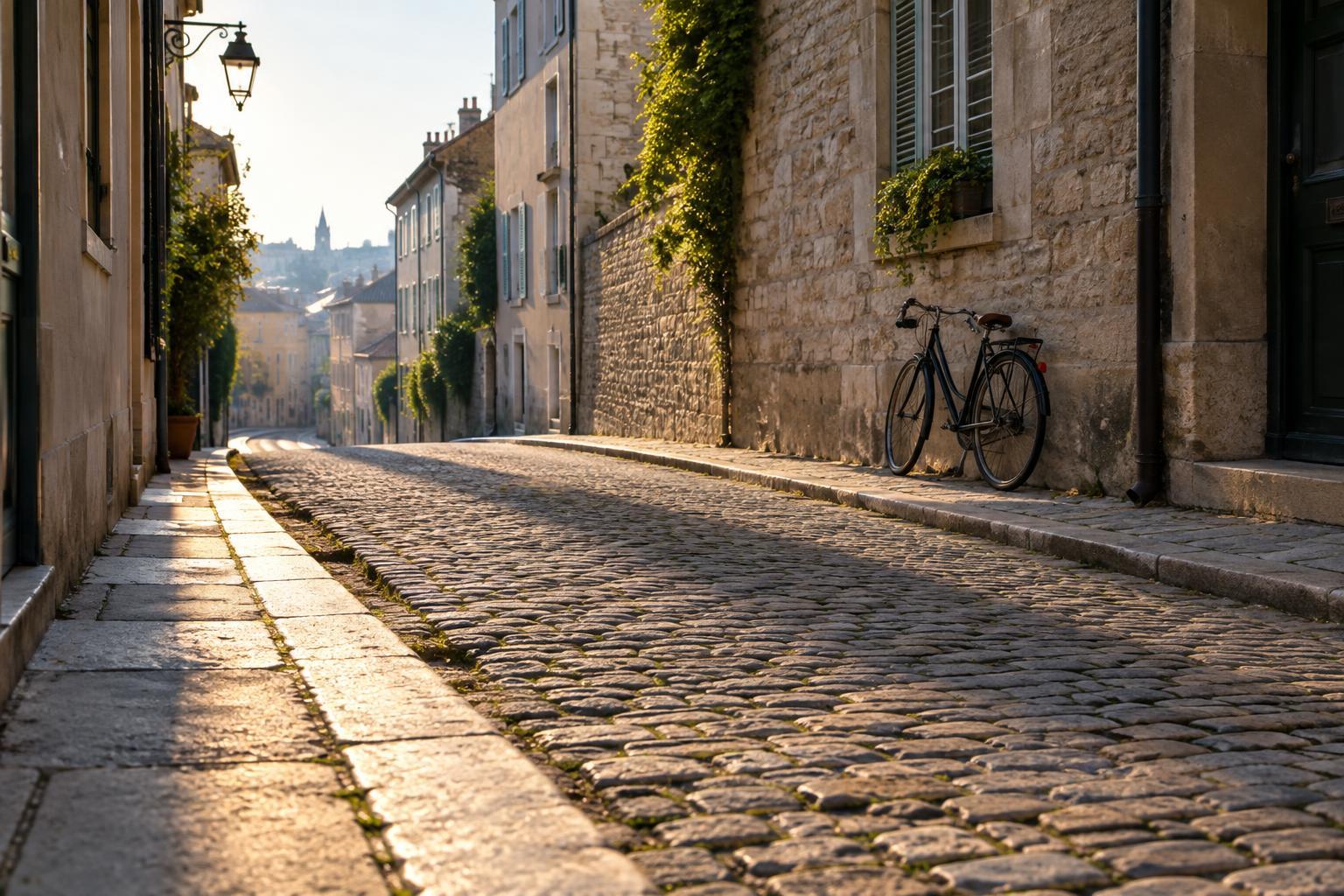
When you photograph a street corner, it is easy to think in terms of objects: a bicycle, a doorway, a person. Try setting those names aside for a moment. The bicycle becomes a cluster of circles and diagonals; the doorway becomes a dark rectangle; the person becomes a narrow shape against the wall. This shift helps you notice how the parts of a picture fit together, even when none of the individual objects seems remarkable.
Start by asking which shapes catch your eye first. Large areas usually establish the structure of a frame, while smaller shapes can add rhythm or provide a point of interest. A bright triangle of pavement may lead toward a small figure. A row of windows may repeat until one open window interrupts the pattern. Neither arrangement requires a special subject; it depends on where you stand and what you include.
Build a frame from a few clear shapes
Begin with two or three dominant shapes rather than trying to organize every detail. A strip of sky above a block of buildings is a simple starting point. Move your camera up or down and watch the proportion of those areas change. Give the sky more room and the picture may feel open; give the buildings more room and their geometry becomes the main event. Check the edges of the frame, too. A small sliver of an unrelated object can compete with an otherwise clear arrangement.
Edges matter inside the picture as well. Notice where one shape meets another: does a roofline cut cleanly across the sky, or does it seem to touch a distant tree by accident? Taking a step sideways may separate overlapping shapes. Crouching can place a subject against a simpler background. These small changes are often more useful than immediately changing lenses, because they alter the relationships between shapes.
Use repetition, contrast and empty space
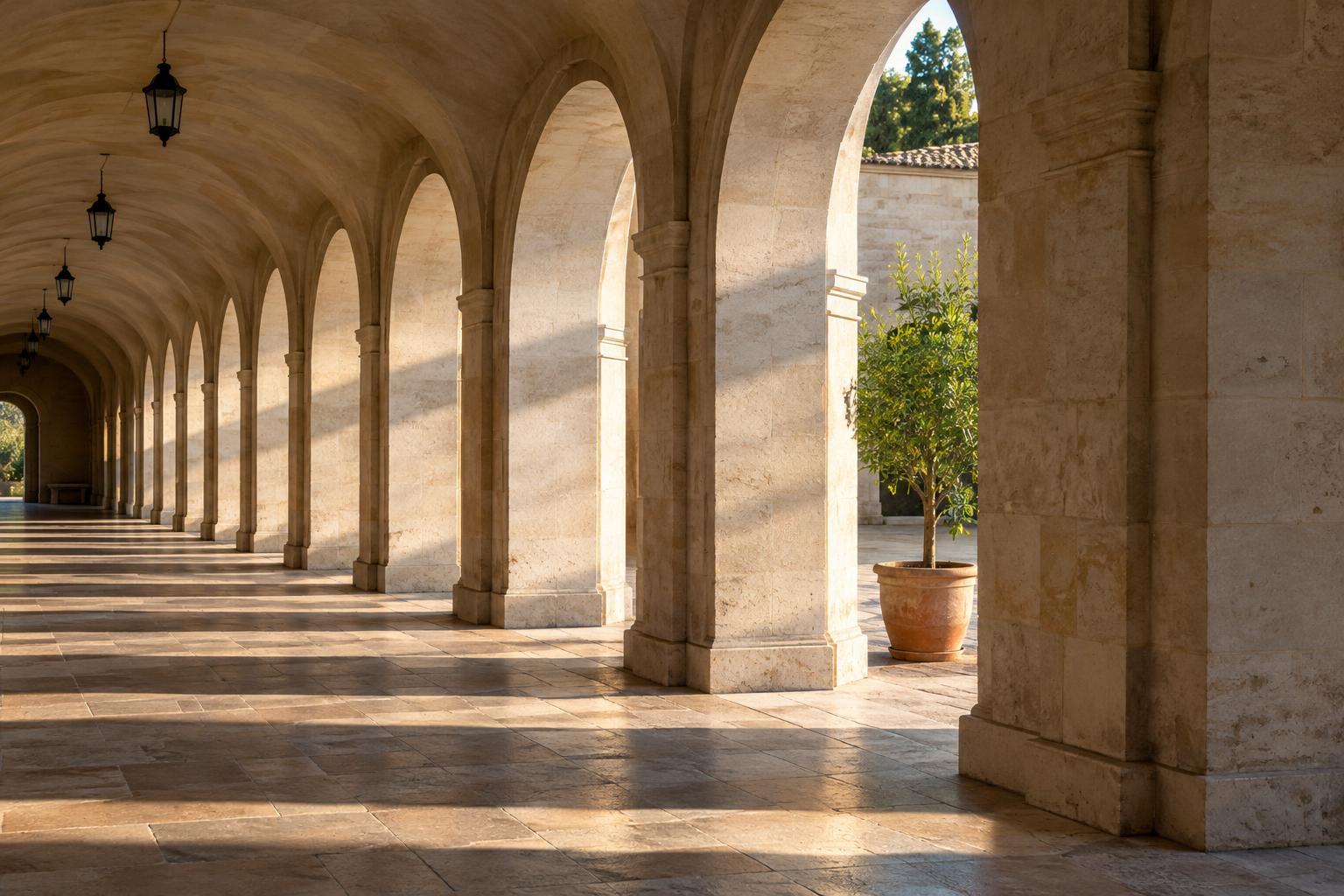
Repeated shapes give the eye a path through the image. Look for aligned chairs, patches of window light or similar shadows along a sidewalk. You can photograph the pattern as the subject, or wait for a contrasting shape to enter it. A round umbrella among straight building lines, for example, becomes noticeable partly because it breaks the surrounding geometry.
Negative space is the area around and between subjects. It is not wasted space: it determines how clearly a subject reads and how much visual room it has. A single dark shape against a broad pale wall can feel deliberate, while that same shape against a crowded background may get lost. When framing, inspect the gaps between objects as carefully as the objects themselves. If a gap is nearly closed, a slight change in position might either open it clearly or close it completely.
Let light simplify the scene
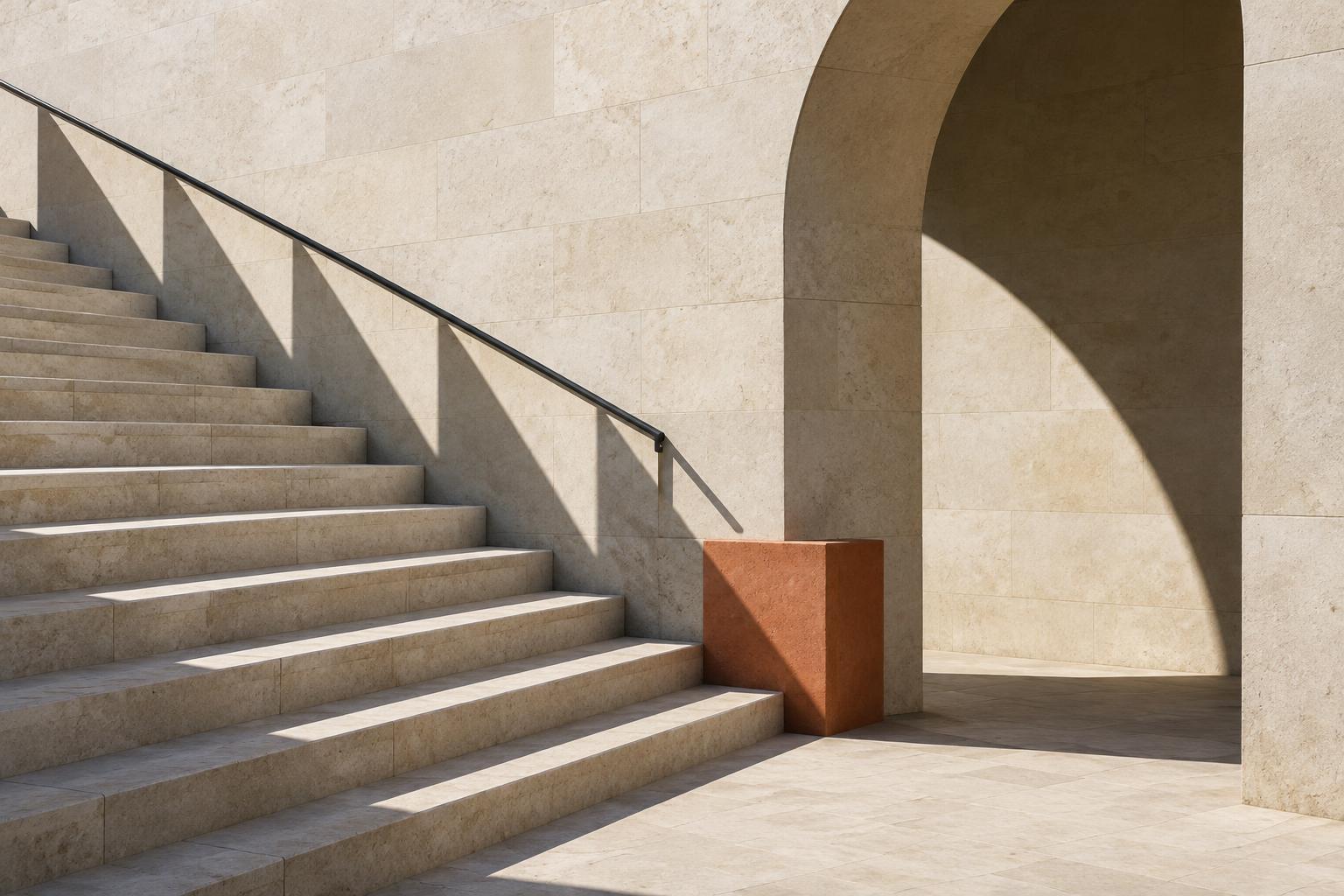
Light can turn a busy place into a simpler arrangement of shapes. A silhouette removes much of a subject’s surface detail, making its outline more important. Side light can divide a plain wall into bright and dark areas. Soft, even light tends to reveal more detail, which may be useful when you want the shapes to come from color or physical edges rather than deep shadows.
Try viewing a scene on your camera screen in black and white if that option is available, or briefly imagine it without color. Do the main areas still separate? If not, look for a different angle, background or patch of light. Color can strengthen a composition, but a vivid object is not automatically a clear shape. Its outline and its contrast with nearby areas still affect how easily a viewer can find it.
Practice with one scene, then review
Choose an ordinary location and make six photographs without changing the subject. For the first two, emphasize large blocks of shape. For the next two, look for repetition or a contrasting shape. In the final pair, use negative space differently: make one tight composition and one with plenty of room around the subject. You can do this with a phone or any camera; moving your feet and adjusting the frame are the important parts of the exercise.
During review, compare the pictures at a small size. Which shapes remain easy to recognize, and where does your eye go first? Cropping can remove a distracting edge or improve proportions, but it cannot always fix shapes that merged because of your viewpoint. Note one position you would try next time. Repeating this exercise in familiar places can make shape-based seeing feel less like a trick and more like a natural part of composing.